
Vandaag of morgen in huis

Kwaliteit gegarandeerd

Welkomstaanbiedingen ontgrendelen: GRATIS bezorging | Tot 80% korting | Gratis 30 dagen JoyPlus-proefperiode
Download de app
A multi-day trip into nature requires proper preparation. Besides sturdy hiking boots and the right apparel, a reliable trekking backpack is perhaps the most crucial piece of your gear. The wrong choice can lead to discomfort, back pain, and a ruined experience. But with so many options on the market, how do you find the backpack that’s right for you?
This guide is here to help. We'll cut through the marketing jargon and focus on the specifications that truly matter: carrying comfort, capacity, and functionality. This way, you can make an informed decision for your next adventure.
Before we look at specific models, here are a few key considerations. These will help you determine which type of outdoor backpack you need.
A backpack's volume is measured in liters. For a backpack for multi-day treks (2-3 days), a capacity between 35 and 50 liters is often a good guideline. A 40L hiking backpack typically offers enough space for a sleeping bag, cooking gear, extra clothing, and provisions, without being unnecessarily large and heavy. For day trips, less than 30 liters is usually sufficient.
Comfort is crucial, especially when you're walking for hours with a full pack. A backpack with a frame is designed to transfer weight from your shoulders to your hips. This significantly alleviates the pressure on your back and shoulders. Look for the following features:
A good camping backpack is made from durable material that can withstand rough conditions. A waterproof backpack is ideal, but many models are water-resistant and come with a separate rain cover. Also look for useful extras like external attachment points for trekking poles or a sleeping mat, and pockets on the hip belt for items you need to access quickly.
Based on the criteria above, we have compiled a list of popular choices for you.
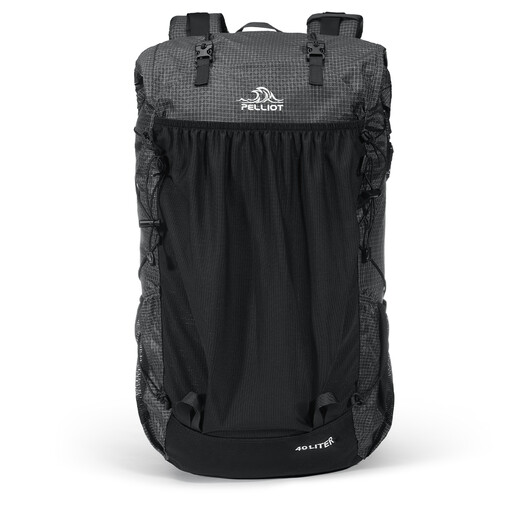
Why It Stands Out This model is specifically designed for multi-day treks. According to the manufacturer, PELLIOT, the backpack features a built-in aluminum frame that efficiently distributes weight. The technology they call the 'Dynamic Walking Harness' allows the shoulder straps to move with your body, which is said to reduce resistance. The 3D breathable cushioning system, with an EVA back panel and mesh lining, is designed for maximum ventilation.
Pros
Who Is It For? For the serious hiker or camper looking for a comfortable and spacious hiking backpack for trips lasting a few days. Ideal if you value ergonomics and well-organized gear.
View the PELLIOT Trekking Backpack 40L
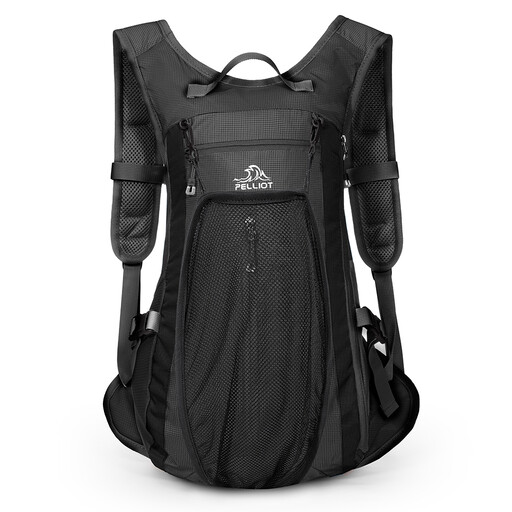
Why It Stands Out This backpack is in a different category. It's not intended for heavy loads, but for speed and freedom of movement. PELLIOT calls it the 'S.L.F Triple Design' (Stable, Lightweight, Fast Access), which focuses on a snug, bounce-free fit. The abrasion-resistant grid-polyester is designed for durability during intense use.
Pros
Who Is It For? For trail runners, mountain bikers, and day hikers who need a compact, lightweight pack. If your priority is speed and minimalist gear, this is a compelling option.
View the PELLIOT Trail Running Backpack 20L
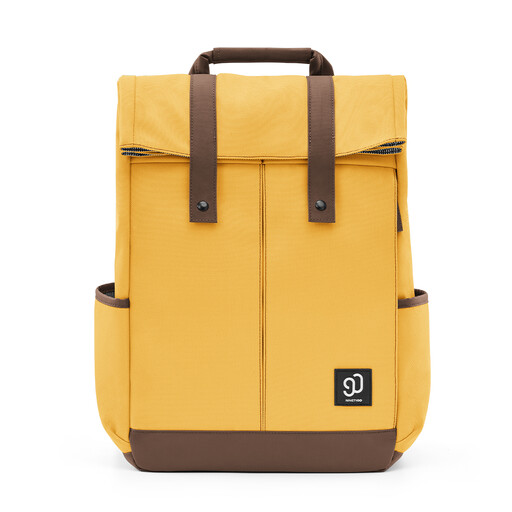
Why It Stands Out This is not a traditional trekking backpack, but a versatile option for daily use with outdoor-inspired features. It's made from 900D tear-resistant fabric with a level-4 water-repellent finish. The focus is on safely carrying a laptop (up to 14 inches) and other daily essentials, with a separate zipper for quick laptop access.
Pros
Who Is It For? For students, commuters, or for a light, casual day trip in the city or a park. If you're looking for a backpack that both protects your laptop and is suitable for a simple walk, this could be a great match. This is not a backpack for multi-day treks.
View the NINETYGO College-Style Backpack
The perfect backpack is a personal choice. You might be looking for a different size, a specific color, or a model for a completely different type of adventure. Every journey is unique and requires the right gear.
Explore our full range of outdoor and wrestling mesh backpacks for more options.
For a 2 to 3-day trip, a backpack with a 40 to 50-liter capacity is a common choice. This gives you enough room for essentials like a compact tent, sleeping bag, cookset, and clothing, without the pack becoming too cumbersome.
For a lightweight daypack, a frame isn't strictly necessary. But as soon as you're carrying more than 10 kg (about 22 lbs), a backpack with a frame makes a huge difference. The frame helps to distribute and transfer the weight to your hips, which have a much greater load-bearing capacity than your shoulders. This significantly increases comfort and reduces the risk of back and shoulder pain.
A regular backpack is designed for everyday use, like carrying books or a laptop. A trekking backpack or hiking backpack is specifically built for carrying heavier loads over long distances. The key differences lie in the carrying system (frame, hip and chest straps), more durable and weather-resistant materials, and specific features like loops for trekking poles and hydration system compatibility.
