
Vandaag of morgen in huis

Kwaliteit gegarandeerd

Welkomstaanbiedingen ontgrendelen: GRATIS bezorging | Tot 80% korting | Gratis 30 dagen JoyPlus-proefperiode
Download de app
The right gear can be the difference between an unforgettable adventure and a trip you'd rather forget. A quality trekking backpack is arguably the most crucial piece of that gear. But with so many choices in volume, fit, and features, finding the right one can be a challenge. A poorly fitting or impractical backpack can quickly lead to discomfort.
As a Product Recommendation Officer at Joybuy, I see countless products every day. My job is to help you make an informed decision. In this guide, we'll cover the key considerations and highlight some popular choices to ensure you hit the trail with the perfect hiking backpack.
Before you make a choice, it's wise to consider a few key factors. This will help you find a backpack that truly matches your plans.
A backpack's volume, measured in litres, determines how much you can carry. A pack that's too large is unnecessarily heavy, while one that's too small will only cause frustration.
A backpack can have all the clever pockets in the world, but if it isn't comfortable, it's of little use. Pay attention to the following:
Modern backpacks are designed for a wide range of conditions.
Based on specifications and functionality, we've selected a few standout models for you.

Why It Stands Out: This backpack is designed for the serious trekker who needs to be prepared for multi-day treks. Its large volume and sturdy yet lightweight frame ensure optimal weight distribution.
Key Features:
Who It's For: The adventurer planning longer, multi-day trips who needs a reliable pack with plenty of storage.
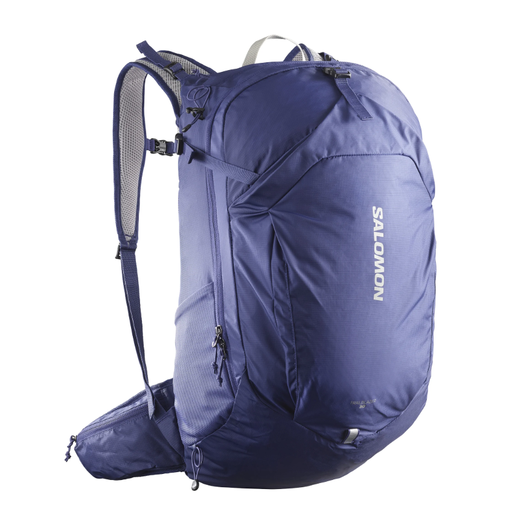
Why It Stands Out: Salomon is known for comfort and versatility, and the Trailblazer 30 is a prime example. It's light, comfortable, and suitable for a day in nature as well as a trip through the city.
Key Features:
Who It's For: Ideal for day hikers and anyone looking for a versatile backpack that can also be used for daily commutes or city trips.

Why It Stands Out: This lightweight backpack is a minimalist's dream. It's extremely light, foldable, and made from waterproof material, without compromising on durability.
Key Features:
Who It's For: The hiker for whom every gram counts, or for travellers who need a compact daypack that fits easily into their main luggage.
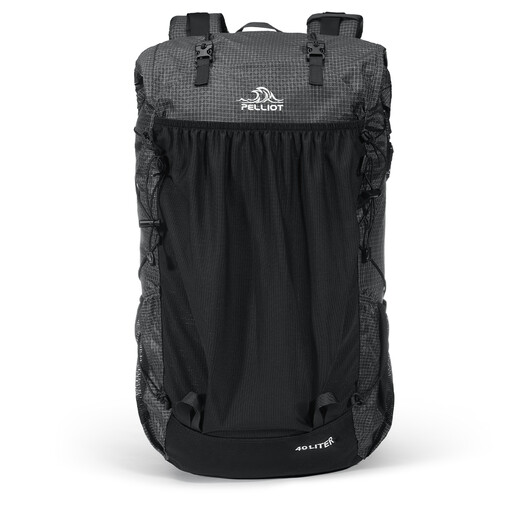
Why It Stands Out: This 40-litre backpack has a strong focus on ergonomics. According to the manufacturer, Pelliot, the built-in frame and dynamic carrying system provide scientific load distribution, reducing pressure on the shoulders and back.
Key Features:
Who It's For: Trekkers heading out for a weekend or a few days who place a high value on carrying comfort and advanced weight distribution.
If your ideal model isn't here or you're curious about other options, we understand. Every hiker has unique needs. For a broader overview of different styles and sizes, feel free to browse our [Logo Backpack] category.
This depends entirely on the duration of your trip. As a rule of thumb: 15-30 litres for a day hike, 30-50 litres for a weekend or short trek (2-3 days), and 50+ litres for longer, self-sufficient adventures.
In a country with unpredictable weather, it's a smart move. A backpack can be water-repellent (resists a light shower) or fully waterproof. A backpack with a rain cover is an excellent alternative; you simply pull it over the pack when it starts to rain for reliable protection.
A correct fit is essential for comfort. Start by putting some weight in the backpack. Loosen all the straps. Put the backpack on and follow these steps:
