
Vandaag of morgen in huis

Kwaliteit gegarandeerd

Welkomstaanbiedingen ontgrendelen: GRATIS bezorging | Tot 80% korting | Gratis 30 dagen JoyPlus-proefperiode
Download de app
A great trek starts with the right gear, and the trekking backpack is arguably the most crucial piece. A pack that doesn't fit well or is poorly designed can turn an adventurous journey into an uncomfortable ordeal. Sore shoulders, a sweaty back, and endlessly searching for your gear are all-too-common frustrations.
As a Joybuy Product Recommendation Officer, my job is to help you make an informed choice. In this article, we'll explore what to look for when buying a trekking backpack and highlight some popular choices based on their specifications and functionality.
Before you make a decision, it's helpful to consider a few key points. This will help you find a model that truly suits you and your plans.
The required capacity (measured in litres) is directly related to the length of your trips. A backpack that's too large is unnecessarily heavy, while one that's too small forces you to leave essential items behind.
The comfort of an outdoor backpack is largely determined by its carrying system. Pay attention to the following components:
A good camping backpack is made from durable and abrasion-resistant material, such as ripstop nylon or polyester. While many backpacks are water-repellent, a fully waterproof backpack is rare. A separate rain cover is often a practical and effective solution to keep your gear dry during a heavy downpour. Also, look for handy extras like pockets on the hip belt, compression straps, and attachment points for trekking poles.
Below is a selection of backpacks with different features, suitable for a variety of adventures.
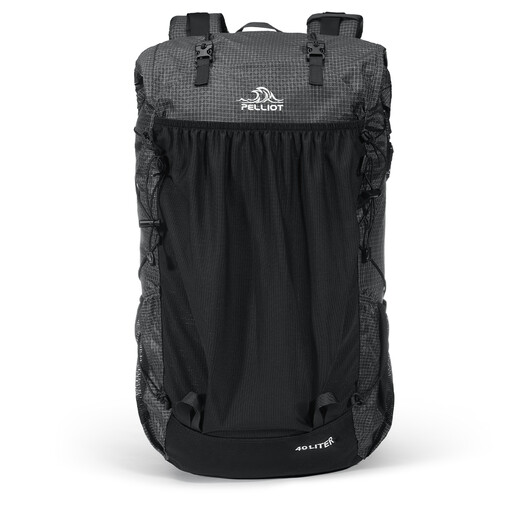
Why It Stands Out This model is a prime example of a functional trekking backpack for multi-day trips. According to the manufacturer, it is designed with a built-in aluminum frame that effectively transfers weight to the hips. The 40L capacity is ideal for trips of 2 to 3 days. The manufacturer calls the shoulder straps ‘Dynamic Walking Harness Technology’, suggesting they move with your body for a more natural walking experience.
Pros
Who Is It For? For the serious hiker or camper looking for a reliable and ergonomic backpack for weekend trips or hut-to-hut tours. This is an excellent choice if you need an all-round hiking backpack.
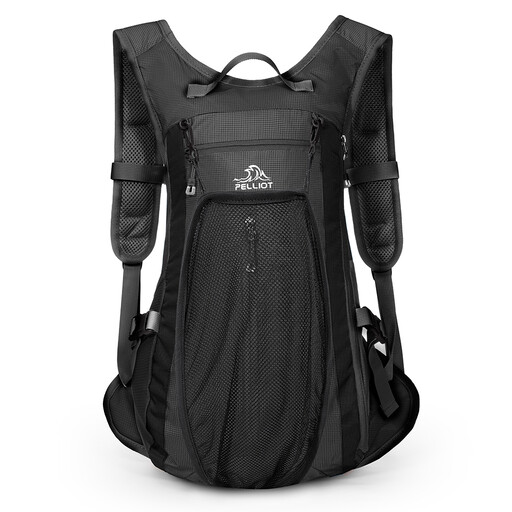
Why It Stands Out Although this is technically a trail-running backpack, its features also make it appealing to the minimalist hiker. The focus here is on low weight and a stable, bounce-free fit. According to PELLIOT, the ‘S.L.F Triple Design’ (Stable, Lightweight, Quick-Access) ensures an ergonomic fit that sits snugly against the body.
Pros
Who Is It For? For the 'fast and light' hiker who takes day trips and carries only the bare essentials. It's also a great option for fast-paced hut-to-hut tours where speed and freedom of movement are priorities.
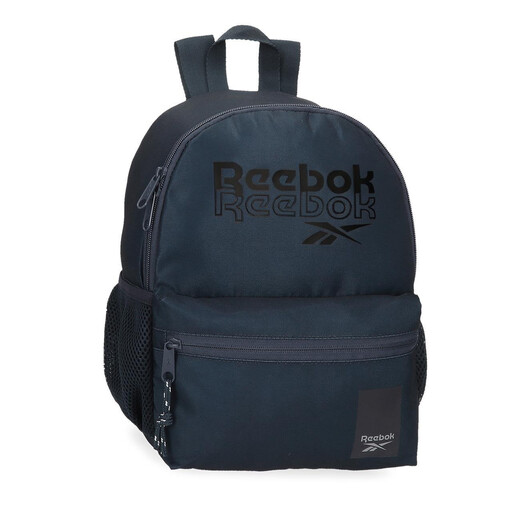
Why It Stands Out This model from Reebok is not a technical trekking backpack, but a versatile daypack. It combines a sporty style with practical functionality for everyday use. The strength of this backpack lies in its simplicity and reliability for less demanding activities.
Pros
Who Is It For? For those looking for a simple hiking backpack for short walks in the woods or park, city trips, or as carry-on luggage on the way to a hiking destination. This is not a pack for a multi-day trek in the mountains, but a great option for light activities.
Every trip is unique and requires its own approach. If the models above aren't exactly what you're looking for, or if you're curious about other styles and sizes, there's more to discover. From compact daypacks to specialised models, there's always a backpack that fits your plans.
Explore More Backpacks on Joybuy
1. How many litres do I need for a 3-day trekking backpack? For a 3-day trip, a backpack with a capacity between 35 and 50 litres is generally recommended. A 40L backpack is often a popular and versatile choice that provides enough space for your sleeping gear, clothing, and food without being unnecessarily large.
2. Is a waterproof backpack really necessary? A fully waterproof backpack is often heavier and more expensive. Most quality backpacks are made from water-repellent material that can handle a light shower just fine. For serious rain, a separate rain cover is a flexible and effective solution. This ensures your gear stays dry.
3. What is the difference between a hiking backpack and a trekking backpack? A hiking backpack is typically smaller (15-30 litres) and intended for day trips. Its carrying system is simpler. A trekking backpack is larger (35 litres and up) and designed for multi-day journeys. It features a more advanced carrying system, often with an internal frame and a robust hip belt, to comfortably carry heavier loads over longer distances.
