
Vandaag of morgen in huis

Kwaliteit gegarandeerd

Welkomstaanbiedingen ontgrendelen: GRATIS bezorging | Tot 80% korting | Gratis 30 dagen JoyPlus-proefperiode
Download de app
A multi-day trip through nature demands the right gear. An uncomfortable or impractical backpack can quickly ruin a great experience. Its weight, fit, and layout are crucial for your comfort and endurance. This article is designed to help you choose a trekking backpack that fits your plans, without getting lost in marketing jargon. We'll look at practical specifications and present some popular choices for 2026.
Before you make a choice, it's important to consider a few key points. These will determine which hiking backpack is best suited for your adventures.
The volume of a backpack, expressed in litres, is directly related to the duration of your trip.
hiking backpack offers enough volume for water, snacks, a rain jacket, and a first-aid kit.40L backpack is often the sweet spot for a sleeping bag, mat, cooking gear, and extra clothing.multi-day trek backpack lasting a week or longer, you'll need a larger volume to carry all your gear and provisions.A heavy backpack doesn't have to be uncomfortable, provided the weight is distributed correctly. Look for the following features:
men's outdoor backpack and a lightweight women's backpack should prioritise this, as the fit can differ based on body type.A good camping backpack is more than just a large sack. Clever features make life on the trail much easier. Think of separate compartments for a sleeping bag, loops for trekking poles, and compression straps to keep the contents compact. A waterproof backpack is ideal, but many models are made from water-resistant material and come with a separate rain cover. This often provides enough protection against an unexpected downpour.
Based on functionality and specifications, we have selected a few models worth considering for different types of trips.
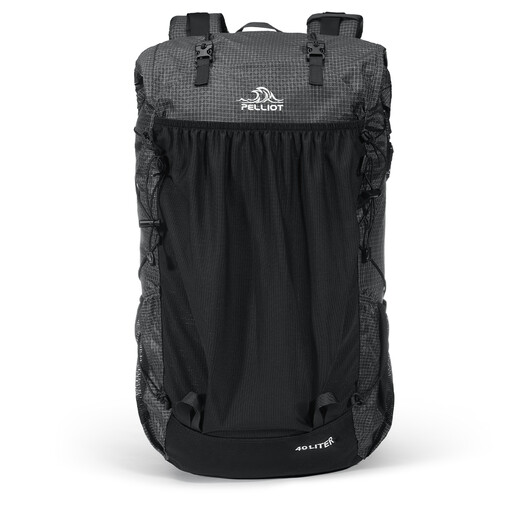
Why It Stands Out This backpack is designed for serious, multi-day treks. The core of this model is its built-in aluminium frame which, combined with an advanced load distribution system, effectively transfers weight to the hips. According to the manufacturer PELLIOT, the 'Dynamic Walking Harness Technology' allows the shoulder straps to adapt to your walking motion, which is said to reduce fatigue.
Pros
Who Is It For? For the adventurer seeking a reliable multi-day trek backpack. Ideal for hikers and campers who are out for 2 to 3 days and value excellent weight distribution and organisation.
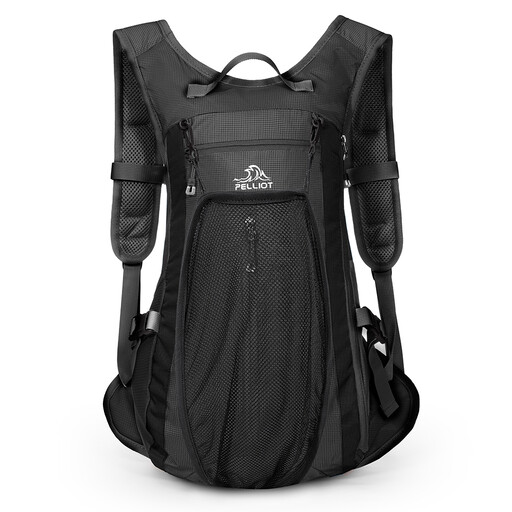
Why It Stands Out This model focuses on speed and minimalism. It's not a traditional trekking backpack, but a lightweight women's backpack or men's model for fast-paced, high-intensity activities. The S.L.F. (Stable, Lightweight, Fast Access) system is designed to keep the pack snug against the body without bouncing.
Pros
Who Is It For? Perfect for trail runners, fast-packers, and anyone looking for a compact, stable hiking backpack for shorter, intense trips where freedom of movement is paramount.
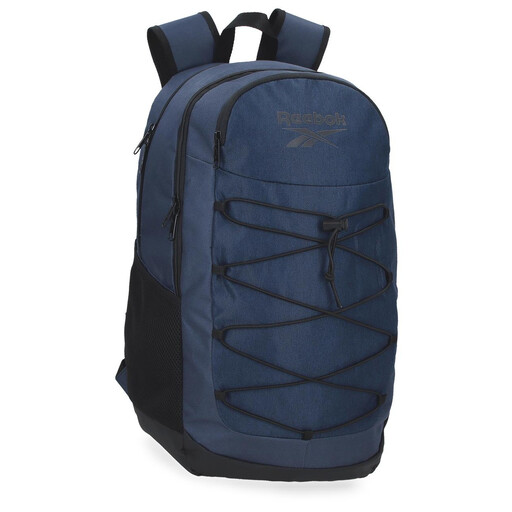
Why It Stands Out This Reebok backpack is a versatile choice for daily use, with a sporty look. While it's not a technical men's outdoor backpack or women's model for the mountains, it offers the functionality and durability for daily urban adventures or light outings.
Pros
Who Is It For? For students, commuters, and athletes who need a reliable and stylish backpack for daily use. Not intended for serious treks, but a solid option for everyday transport.
The search for the perfect backpack is a personal one. Everyone has different needs in terms of style, size, and functionality. If the options above don't quite match what you're looking for, there's more to discover.
Check out our full Artwork Backpack collection for a wider range of styles and sizes.
1. How many litres do I need for a trekking backpack? This depends on the duration of your trip. For a day hike, 15-30 litres is sufficient. For a weekend (2-3 days), 30-50 litres, like a 40L backpack, is a good guideline. For longer trips of a week or more, you'll quickly need 50 litres or more.
2. What is the difference between a hiking backpack and a trekking backpack? A hiking backpack (or daypack) is smaller (usually under 35 litres) and has a simpler design. A trekking backpack is larger, features a more advanced carrying system with an internal frame and hip belt, and is designed to carry heavier loads comfortably over longer distances.
3. How do I adjust my trekking backpack correctly? Start with some weight in the backpack. First, loosen all the straps. Place the pack on your back and fasten the hip belt over your hip bones; this will carry most of the weight. Next, tighten the shoulder straps, followed by the chest strap and the load lifter straps on top of your shoulders. The backpack should feel stable and close to your back without pinching or restricting movement.
