
Vandaag of morgen in huis

Kwaliteit gegarandeerd

Welkomstaanbiedingen ontgrendelen: GRATIS bezorging | Tot 80% korting | Gratis 30 dagen JoyPlus-proefperiode
Download de app
A multi-day trek is made or broken by the right gear. A chafing, poorly organized, or overly heavy backpack can seriously ruin a wonderful experience in nature. But with such a vast selection, how do you find the trekking backpack that fits your plans?
As a Joybuy Product Recommendation Officer, I'm here to help you get started. In this article, you won't find marketing jargon, but practical information and concrete product recommendations. This will help you make an informed decision for your next adventure, whether you're planning a hut-to-hut tour in the Alps or camping in the Ardennes.
Before we look at specific models, here are a few key considerations to help guide your choice.
A backpack's capacity is expressed in liters and is one of its most important specifications.
A backpack can have all the clever compartments in the world, but if it isn't comfortable, it's of little use. Pay attention to the following elements for proper ergonomics:
A hiking backpack endures a lot of wear and tear. Opt for durable materials that can take a beating. Although many backpacks are described as 'waterproof', most are actually water-resistant. For a heavy downpour, a separate rain cover is often the most effective solution. A truly waterproof trekking backpack is often made from heavier material and features sealed seams, which also typically makes it more expensive.
Based on the criteria above, we've highlighted a few interesting models for you.
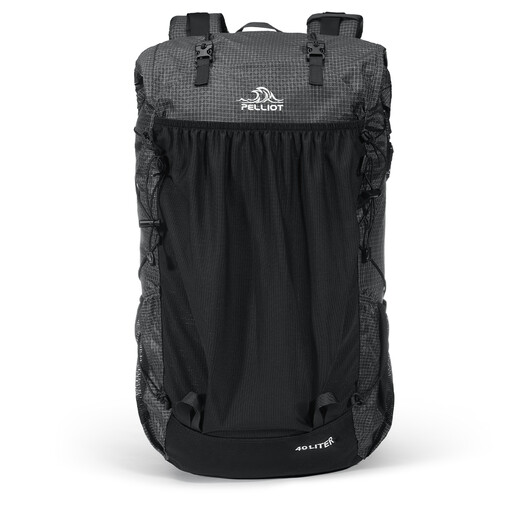
Why It Stands Out This model from PELLIOT focuses heavily on carrying comfort during active treks. The backpack features a built-in aluminum frame that, combined with the carrying system, transfers weight to the hips. According to the manufacturer, its dynamic carrying technology automatically adjusts the angle of the shoulder straps as you walk, enhancing freedom of movement. The breathable back panel is designed to keep your back cool and dry.
Pros
Who Is It For? For the hiker seeking a comfortable and technically well-designed backpack for 2-to-3-day trips, who values excellent weight distribution and ventilation.
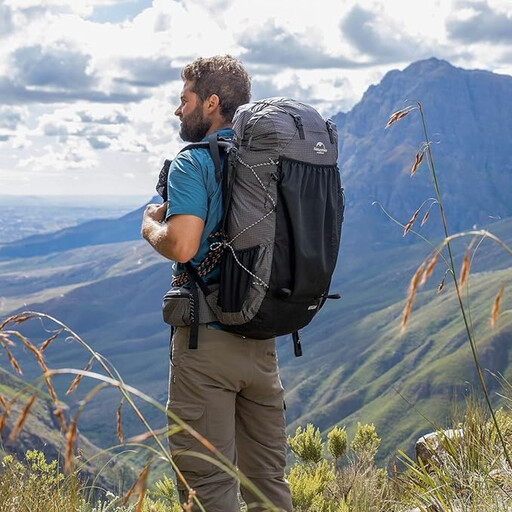
Why It Stands Out The NatureHike Rock is designed for longer, more demanding adventures. With a base capacity of 60 liters, expandable by another 5 liters in the top lid, this backpack offers more than enough space for a complete set of camping gear. Its robust internal frame is built for heavy loads and stability on uneven terrain. The backpack is made from durable, tear-resistant material and features multiple compression straps to keep your load compact and stable.
Pros
Who Is It For? For the serious backpacker or camper who needs a reliable and spacious camping backpack for multi-day treks that include a tent, sleeping bag, and cooking gear.
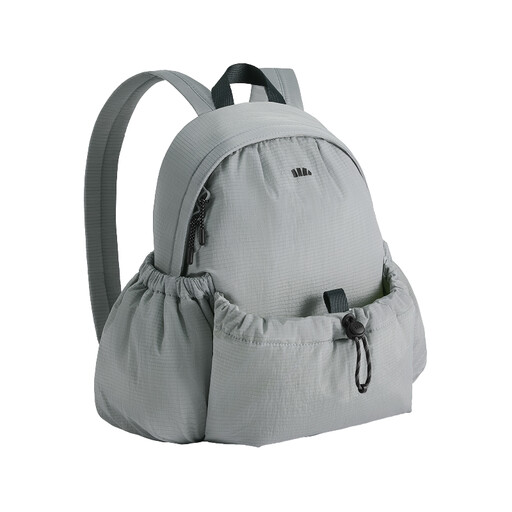
Why It Stands Out This is a different type of backpack, but it's an interesting option for a specific group of hikers. The Beneunder LC183 is an ultralight and compact 10-liter backpack that you can expand to 13 liters. It's not intended to be your primary trekking backpack, but it's an excellent choice as a daypack for excursions from a base camp or for minimalist travelers. The material is lightweight, flexible, and water-resistant.
Pros
Who Is It For? For the hiker looking for an extra, lightweight pack for day trips, or for the traveler who wants one versatile bag for both city trips and short, light hikes.
If your ideal model isn't listed here, or if you're curious about other sizes and styles, don't worry. Every trip and every hiker is different, and the perfect backpack is a personal choice. For more options, from compact daypacks to large expedition bags, feel free to browse our wider collection.
Explore our full range of backpacks and travel bags
1. How many liters does a trekking backpack need for 4 days? For a 4-day trip, such as a hut-to-hut tour, a backpack between 40 and 50 liters is usually sufficient. If you're carrying a tent and cooking gear, you should aim for the 50 to 60-liter range.
2. What's the best way to pack a trekking backpack? Place the heaviest items (like a tent or food) close to your back, around shoulder-blade height. Pack light, bulky items like your sleeping bag at the bottom. Items you need quick access to (rain jacket, snacks, map) should go in the top lid or side pockets. This ensures the best balance and carrying comfort.
3. Is a fully waterproof trekking backpack really necessary? For most conditions, a water-resistant backpack with a separate rain cover is sufficient. A cover is lightweight, effective, and protects the entire exterior. Fully waterproof backpacks are often heavier and primarily intended for extreme conditions or watersports like canoeing.
