
Parents looking for aniseed sprinkles
You want the familiar look of aniseed sprinkles for a children’s treat. Albert Heijn describes De Ruijter Feestmuisjes as sugar-coated aniseed: they aren’t dark chocolate.


Choose aniseed sprinkles if you want the familiar look of sugar-coated aniseed; choose dark chocolate sprinkles if a rich chocolate flavour matters more. They’re different products, so check with the school or childcare setting before planning a treat, and check the label for allergens before filling the bags.
You want the familiar look of aniseed sprinkles for a children’s treat. Albert Heijn describes De Ruijter Feestmuisjes as sugar-coated aniseed: they aren’t dark chocolate.
You want to use chocolate as a topping or as a separate part of a treat. Dark chocolate sprinkles suit that flavour preference, but they don’t have the shape or taste of aniseed sprinkles.
You want to know which treats the school or childcare setting allows, and which allergies or dietary requirements you need to consider. The Netherlands Nutrition Centre advises checking for allergies in advance.
First decide whether you mean aniseed sprinkles or chocolate sprinkles. Then check that the treat fits the group’s rules and work out how much you’ll need for each bag.
| What to consider | What to check when buying | Who it matters to |
|---|---|---|
| Product type and flavour | Check whether the product is aniseed sprinkles or chocolate sprinkles. If you’re choosing chocolate, compare the stated cocoa percentage if it matters to you. | If I want the familiar aniseed sprinkles, I don’t want to accidentally buy chocolate sprinkles; if I’m looking for cocoa, the opposite applies. Around 42% of consumers put this choice between product types first. |
| Allergens and treat rules | Ask the school or childcare setting what’s allowed, and read the current label, including allergen information and warnings about possible traces. | Before I fill the bags, I need to know whether the contents are allowed for the group and what dietary rules apply. For around 33% of consumers, checking this comes before choosing a flavour. |
| Portions and packaging | Work out how many people you’re buying for and how much you’ll put in each bag, then compare the net weight of the packs. | I want enough to share without being left with a large pack. For around 25% of consumers, the amount needed is the first thing they consider. |
You could end up buying chocolate when you need the traditional look of aniseed sprinkles, or aniseed sprinkles when you’re after a rich dark chocolate flavour.
Read the product description: Albert Heijn describes De Ruijter Feestmuisjes as sugar-coated aniseed and says De Ruijter Specials Intens Puur sprinkles contain at least 52% cocoa solids.
For a treat, the allergen information on the pack you’ll actually be handing out matters, especially if you’re dividing the contents between individual bags.
Check the current label on the exact pack you’re using, and discuss any relevant allergies in advance with parents or carers and the school or childcare setting.
A school may have rules about the type or amount of treats children can bring in. So the bag you choose might not automatically be suitable for the group.
Ask the teacher or childcare setting what rules apply to the group first.
It’s hard to work out which pack size is right without knowing how many people you’re buying for and how much you’ll put in each bag.
Count the recipients and decide on the portions before choosing a pack. The Netherlands Nutrition Centre advises giving children small portions and buying no more than you need.
If the pack is larger than you need for the bags you’ve planned, you’ll have product left over.
Worth considering because Albert Heijn describes both Feestmuisjes and Specials Intens Puur sprinkles from this brand.
The own-brand range includes dark chocolate sprinkles in a 400 g pack.
Lidl lists Mister Choc dark chocolate sprinkles in a 600 g pack as a product available in store.
ALDI lists Moser Roth 85% cocoa dark chocolate as a bar.
These products suit two different kinds of treat: dark chocolate sprinkles for topping and blue-and-white aniseed sprinkles for a traditional option. Decide which type you want before comparing pack sizes and labels.
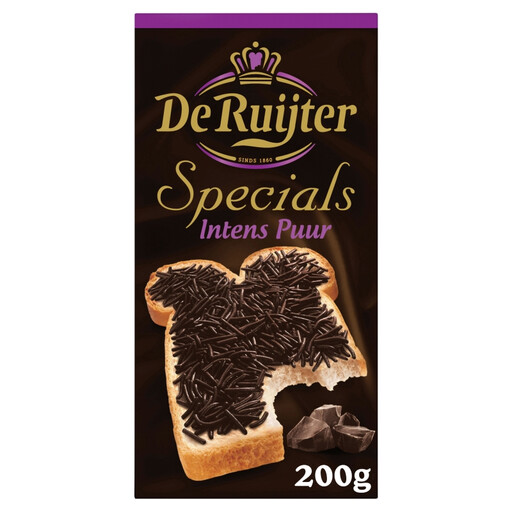 Image unavailable
A dark chocolate touch for when you don’t want aniseed sprinkles. The pack contains 200 g; check the current label for cocoa information and allergens before sharing out the sprinkles.
 Image unavailable
For anyone looking for dark chocolate sprinkles as a topping and wanting to work out the amount needed in advance. The pack contains 390 g; if a high cocoa percentage is essential, check the percentage on the pack along with the allergen information.
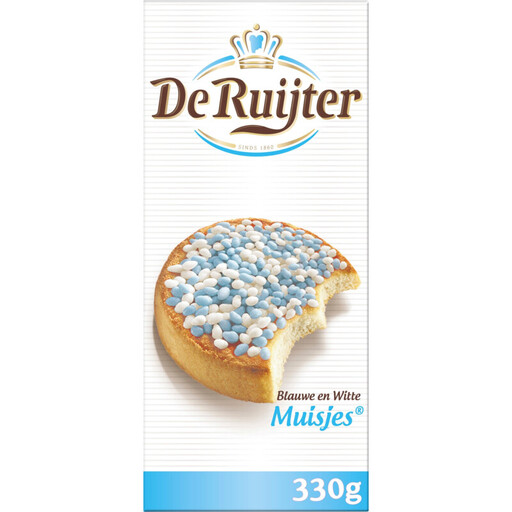 Image unavailable
For a treat where the familiar look of aniseed sprinkles matters more than a dark chocolate flavour. The pack contains 330 g; work out the portions for the group and check the current label, particularly if anyone needs to avoid wheat or gluten.
No, the products described are different: Albert Heijn calls De Ruijter Feestmuisjes sugar-coated aniseed and says De Ruijter Specials Intens Puur chocolate sprinkles contain at least 52% cocoa solids. So first decide whether you’re looking for the aniseed shape or a chocolate flavour.
Yes, schools can set rules about which treats pupils are allowed to hand out. Before buying anything, ask the teacher which rules apply to the group; the amount or whether the treat needs to be edible may also matter.
Read the current label on every pack you use and ask in advance which allergies are relevant to the group. The Netherlands Food and Consumer Product Safety Authority explains that allergens must be listed on the label of prepacked foods; also look out for warnings about possible traces.
No, if someone has a milk allergy, don’t rely on that label alone. According to PLUS, its dark chocolate sprinkles have a vegan label, but may also contain milk and lactose; check the full label and discuss your choice with the parent or carer concerned.