
Landscape walker
You want to capture the reed bed in a wide shot and occasionally zoom in as you go, without routinely carrying a large camera. The Consumentenbond describes superzoom cameras as larger than small compact cameras.


Choose based on how much of the frame you want the distant subject to fill, and how much camera gear you want to carry on a walk. A travel zoom is easier to take with you, while a bridge camera can offer greater telephoto reach but is larger. Compare the wide-angle and telephoto ranges in 35 mm equivalents. For birds, focus, light and support matter too: a high zoom ratio alone won’t guarantee a sharp photo.
You want to capture the reed bed in a wide shot and occasionally zoom in as you go, without routinely carrying a large camera. The Consumentenbond describes superzoom cameras as larger than small compact cameras.
You take photos from a fixed, accessible spot and want to bring a small subject on the other side into clearer view. For this choice, the optical telephoto range in 35 mm equivalents is a useful point of comparison.
You sometimes photograph moving subjects. As well as reach, focus, timing and a steady stance are important. Nikon recommends continuous autofocus for wildlife if your camera has this feature.
Best for: walks where you want an easy-to-carry camera for wide shots and the occasional distant crop. Panasonic Netherlands lists 24–720 mm for the TZ99; Canon Netherlands gives 24–960 mm for the SX740 HS Lite Edition. Both figures are in 35 mm equivalent.
The trade-off: its telephoto reach is shorter than that of the superzoom bridge cameras discussed here. Consider whether the subject will appear large enough in the frame from where you’ll be standing.
Best for: using one fixed lens for both a wide view of the reed bed and a more distant subject. Panasonic Netherlands lists 20–1200 mm in 35 mm equivalent for the FZ82D, along with a viewfinder and optical stabilisation.
The trade-off: a bridge camera is larger than a pocket camera, so consider how much bulk you want to carry on your walk.
Best for: subjects that remain very small in the frame, even from an accessible spot. Nikon lists an optical range of 24–3000 mm in 35 mm equivalent for the COOLPIX P1100.
The trade-off: Nikon gives the weight as approximately 1.4 kg. The stated reach of up to 6000 mm refers to Dynamic Fine Zoom, not a longer optical lens.
Best for: photographers who also want to shoot moving subjects and take sensor and shooting features into account. Sony lists a 1.0-type sensor, 24–600 mm range and burst shooting at up to 30 frames per second for the RX10 V.
The trade-off: its stated optical telephoto reach is shorter than that of the superzooms discussed here. Don’t choose this option based on burst speed alone.
For each camera, compare both the start and the telephoto end of its optical range. The focal lengths below are 35 mm equivalents as listed by Panasonic Netherlands, Canon Netherlands and Nikon Netherlands.
| What to consider | What to look for when buying | Who is this important for? |
|---|---|---|
| Optical telephoto reach | Compare the maximum focal length in 35 mm equivalents and distinguish optical zoom from digital magnification. | If I want to photograph a small subject on the other side from one spot, I prioritise reach over a small body. Around 37% of consumers make distant details their main buying priority. |
| Wide landscapes and telephoto | Compare the start and end of the same camera’s range, not just its zoom ratio. | If I want to switch between the whole reed bed and a detail without changing lenses, I look at both ends of the range. Around 27% of consumers prioritise this combination. |
| Portability | Check the dimensions and weight, including the battery, and decide what ‘compact’ means for you. | For a long walk, I want a camera that’s easy to carry, even if that means accepting less telephoto reach. Around 27% of consumers put portability first. |
| Tracking a moving subject | Check the autofocus and continuous shooting features of the exact model, and whether you can easily find your subject in the viewfinder. | If the subject is a moving bird, I want to consider focus and timing as well as zoom. Around 9% of consumers prioritise moving subjects. |
A range specification may include both optical and digital zoom. On the Nikon P1100, 3000 mm is the optical telephoto reach; the figure of up to 6000 mm refers to Dynamic Fine Zoom. Canon also distinguishes between optical zoom and digital magnification for the SX740 HS Lite Edition.
For a distant subject, first compare the optical telephoto end in 35 mm equivalents.
Superzoom bridge cameras are larger than small compact cameras. Nikon lists the P1100 as weighing approximately 1.4 kg.
Before choosing a model, decide how much you want to carry for the whole walk.
According to Canon, the SX740 HS Lite Edition comes with an NB-15L battery and charger; USB charging is not supported on this version.
Check the full model name, what’s included and how the specific version on offer is charged.
The LUMIX TZ99 is a travel zoom for those looking for a more compact camera; the FZ82D is a bridge camera with a wider starting range and greater telephoto reach.
The PowerShot SX740 HS Lite Edition is a pocket camera for anyone who wants telephoto reach on a walk.
The COOLPIX P1100 is a large bridge camera for subjects that remain very small in the frame, even from an accessible spot.
The RX10 V is a bridge camera for those who want to weigh up a 1.0-type sensor and features for action as well as telephoto reach.
This Joybuy selection includes cameras whose product title or description mentions zoom. Check whether the zoom is optical or digital for each model, and whether the version suits your walking and photography needs.
 No image available
The stated optical zoom is useful if you want to frame a distant subject. The product title also mentions 4K and Wi-Fi.
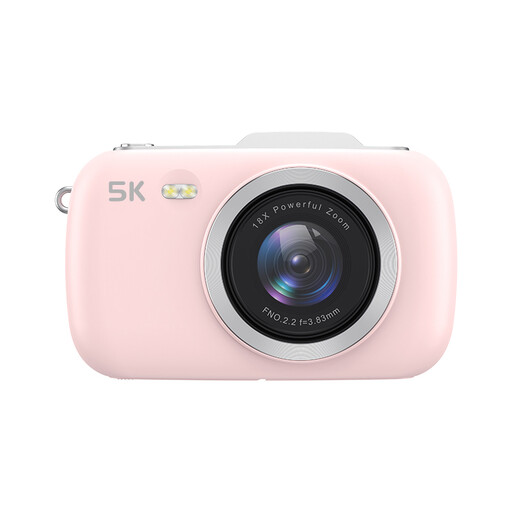 No image available
The stated 18× zoom could suit you if you want to zoom in while out walking. Before buying, check that the type of zoom meets your needs. The product title states that an SD card is not included.
 No image available
This pocket camera lists 16× digital zoom for distant subjects. Digital zoom doesn’t provide extra optical telephoto reach, so bear that in mind if you want to make your subject appear larger in the frame.
 No image available
The title lists 8× optical zoom and a dual lens. The description says you can control the zoom using a manual lens ring.
No. Also compare how wide the lens goes at its starting point, in 35 mm equivalents. Panasonic Netherlands lists 20 mm for the FZ82D; according to their manufacturers, the TZ99 and Canon SX740 HS Lite Edition both start at 24 mm. Then check separately whether the optical telephoto end will make the subject large enough in the frame from where you’ll be standing.
First, check which focusing and support features your camera model has. Nikon recommends continuous autofocus for wildlife if your camera offers it, waiting patiently and using a tripod or remote control if needed. Don’t assume you can enter every nature reserve; check the rules for the location.
Check what’s included and whether you’ll need to buy a memory card, bag, spare battery or support separately. Canon lists a battery and charger in the box with the SX740 HS Lite Edition and states that USB charging is not supported on this version.
According to the Government of the Netherlands, you can contact the retailer about your statutory rights under Dutch consumer law. The Netherlands has no fixed statutory guarantee period; what matters is what you can reasonably expect from the product.
Check the rules and guidance from the site manager and province for the specific location, including rules on access and disturbing wildlife. The Government of the Netherlands states that provinces set rules for their own areas. A photo kept for personal use is different from one published widely with identifiable people in it: according to the Dutch Data Protection Authority, the GDPR may apply when you publish it.