
Vandaag of morgen in huis

Kwaliteit gegarandeerd

Welkomstaanbiedingen ontgrendelen: GRATIS bezorging | Tot 80% korting | Gratis 30 dagen JoyPlus-proefperiode
Download de app
Choosing the right travel luggage is about more than colour or price. A suitcase that seems practical in the shop may turn out to be too large for hand luggage, difficult to wheel over uneven pavements or offer too little protection for delicate items. A bag with an impressive capacity can also become awkward to carry once it’s fully packed.
Three common pitfalls to watch out for:
First, check the external dimensions, including the wheels and handle. The interior may be a few centimetres smaller. A cabin suitcase around 55 to 57 cm high meets the requirements of many airlines, but there’s no guarantee it will suit every one.
For a weekend away, around 30 to 45 litres is often useful. For a holiday lasting one to two weeks, a medium or large suitcase with a capacity of around 65 to 100 litres can offer more space. Remember to check the suitcase’s own weight, too. A 4.2 kg suitcase leaves less room for clothes and other belongings when your baggage allowance is limited.
An expandable suitcase can come in handy on the return journey, but check the total dimensions again once it’s expanded. Overpacking can put strain on the zips, seams and shell. For example, the JOYFURNOS suitcase lists a maximum static capacity of 15 kg; this doesn’t replace your carrier’s baggage rules.
An ABS suitcase, or another type of hard-shell suitcase, protects its contents from external pressure and is easy to wipe clean. ABS can be suitable for air travel under normal use, but scratches and signs of wear can still occur. Check the quality of the corners, zip and telescopic handle, too.
A travel bag, weekend bag or backpack is more flexible and often easier to store. Fabric bags may have extra external pockets, while a hard shell offers more structure. A water-repellent backpack is useful for commuting in light rain, but water-repellent doesn’t automatically mean fully waterproof. For a laptop backpack, a separate laptop compartment, padded back panel and comfortable fit matter more than simply having the maximum number of litres.
Four spinner wheels rotate 360 degrees, making it easier to pull a suitcase alongside you, for example at a station or airport. Check that the wheels are firmly attached to the shell and that the handle has several height settings.
A suitcase with a TSA lock can be useful for international air travel. According to the product descriptions from the brands concerned, airport staff can open a suitable TSA lock with an official key. This doesn’t prevent a suitcase from being opened or damaged, and it’s no substitute for packing carefully.
Look for compression straps, a divider and mesh pockets inside. Separate wet and dry compartments can be useful for swimwear or a wash bag, but always use a sealed bag for bottles that might leak. Good organisation means you won’t have to unpack your entire suitcase while you’re on the go.
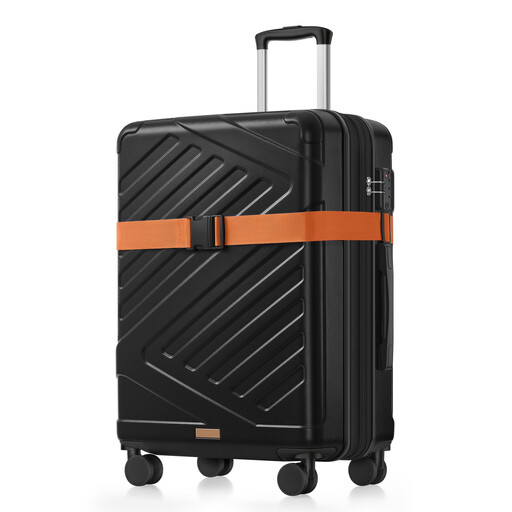
Why it suits this profile: This large hard-shell suitcase is designed for travellers looking for one well-organised case for longer holidays and checked baggage. It measures 65 × 45 × 25 cm and weighs 4,2 kg.
The product information lists the dimensions, weight, expandable capacity and maximum static load. This makes it easier to check in advance whether the suitcase suits your baggage allowance.
ABS shell, 360° spinner wheels, TSA lock, luggage strap and compartments for wet and dry items.
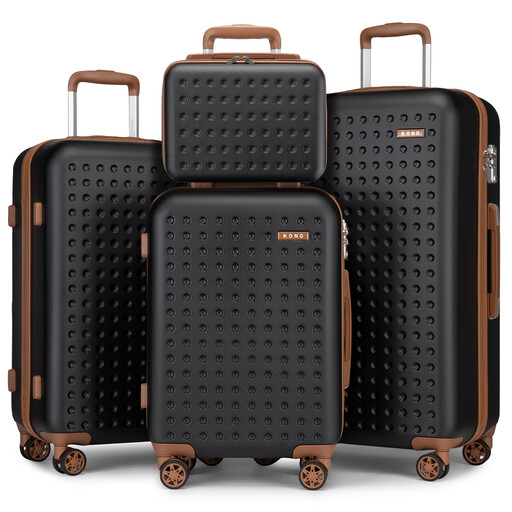
Why it suits this profile: A household, frequent traveller or family gets four sizes: a vanity case of around 11 litres, a cabin suitcase of around 40 litres, a medium suitcase of around 65 litres and a large suitcase of around 100 litres.
The four sizes let you choose the right case for each trip. The product description also says the suitcases nest inside one another for compact storage.
ABS shell, four 360° wheels, adjustable aluminium handle, TSA combination lock and interior pockets with compression straps.
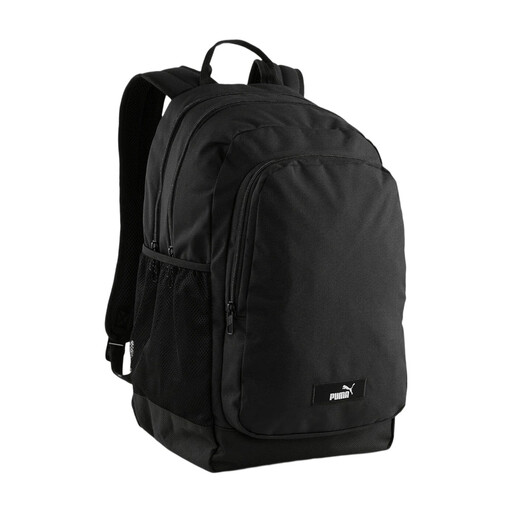
Why it suits this profile: This backpack is suitable for students, commuters and everyday use. The listed capacity is around 24 litres, and according to the product information, it can hold a device up to 18,7 inches.
Two main compartments, a front pocket and side pockets make the layout clear. That way, you don’t have to rely on a general capacity claim alone.
Padded shoulder straps and back panel, two side pockets and, according to the product description, at least 70% recycled materials.
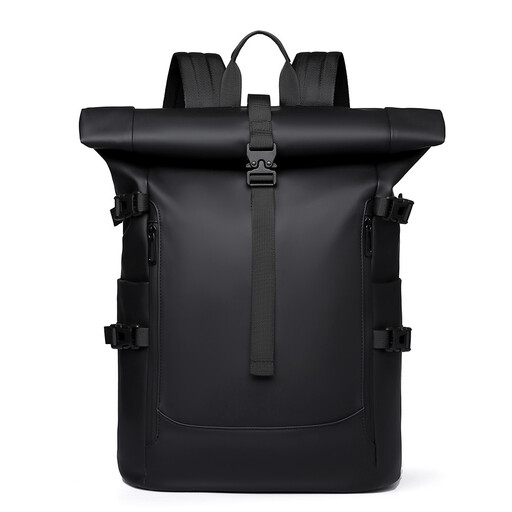
Why it suits this profile: A roll-top laptop backpack is a good choice for cycling, train journeys and everyday commuting when you want flexible storage and protection from light rain.
The product title specifies water-repellent fabric and a 15,6-inch laptop size. Before buying, check the exact internal dimensions, and use extra protection in heavy rain.
Roll-top design, suitable for a laptop up to 15,6 inches according to the product name, and designed for everyday urban use.
We’ve put together a complete, up-to-date list of products that meet these strict selection criteria and the current European safety requirements.
It depends on how often it’s used, how heavily it’s packed, the surfaces it’s used on and how well it’s maintained. The wheels, zips and handles tend to take the most wear. Avoiding overpacking, not lifting the suitcase by its retractable handle and removing dirt promptly can help reduce wear and tear. It’s not possible to give a reliable fixed lifespan in advance.
A cabin suitcase offers protection and rolls easily over smooth surfaces. A weekend bag is more flexible and often easier to store. If you’re travelling by train or bicycle, or have a lot of stairs to climb, a backpack or travel bag may be more practical. Always check the dimensions when flying.
No, a TSA lock is generally not required. According to manufacturers’ product information, it can be useful for certain international security checks. A standard combination lock or zip may also be suitable, as long as you follow the rules of your destination and carrier.
