
Vandaag of morgen in huis

Kwaliteit gegarandeerd

Welkomstaanbiedingen ontgrendelen: GRATIS bezorging | Tot 80% korting | Gratis 30 dagen JoyPlus-proefperiode
Download de app
You often only notice the drawbacks of the wrong travel luggage at the airport. A cabin suitcase turns out to be a few centimetres too large, a backpack offers too little protection for a laptop, or a holdall sags as soon as you fill it. Marketing terms such as “lightweight”, “water-repellent” and “airline-approved” also mean little without specific dimensions, weight and capacity.
This guide helps you compare suitcases, holdalls and backpacks based on measurable features. That way, you can choose luggage for short trips, commuting or a longer holiday that suits the way you travel.
A 20-inch cabin suitcase is often marketed as suitable for air travel. However, every airline has its own rules on dimensions and weight. Always measure the outside, including the wheels and handles. Also check the latest baggage requirements of the airline you are travelling with.
A suitcase measuring 56.5 × 37.5 × 23 cm may be suitable for many airlines, but this is not a universal guarantee that it will be accepted as hand luggage.
A lightweight backpack or foldable holdall is useful when you want to carry as little weight as possible. However, pay attention to the shoulder straps, handles, zips and reinforced seams too. A bag weighing just a few hundred grams may be less suitable for heavy items if its carrying structure has not been designed for them.
So consider the combination of empty weight, capacity and recommended load. A large capacity does not automatically mean that the bag will remain comfortable when fully loaded.
A water-repellent backpack can cope with light rain better than untreated fabric. That does not mean its contents will stay dry for a long time in heavy rain or if the bag falls into a puddle. Check whether the zips are covered, and consider using a separate cover for laptops and documents.
Match the size to the length of your trip and how you will be travelling:
Bear in mind that the stated volume usually refers to the total internal space. Wheels, handles and dividers take up room.
A hard-shell suitcase made from ABS or polycarbonate provides a rigid outer shell around your belongings. Polycarbonate is described in the product information for various suitcases as lightweight and impact-resistant; this is a material property, not a guarantee that the suitcase will remain undamaged in all circumstances. A hard shell can also make scratches more visible.
A soft holdall or backpack is more flexible and often easier to store. On the other hand, it provides less protection against external pressure. For fragile items, internal compartments, using clothing as padding and a separate protective cover are more important than the material stated on the label alone.
Four double spinner wheels turn in multiple directions and are convenient in stations, terminals and narrow hotel corridors. Check that the telescopic handle locks securely into place and does not have excessive play.
A suitcase with a TSA lock can be opened during inspections in countries where TSA keys are used without visible damage. The lock does not prevent a suitcase from being lifted or the zip from being forced open. Keep the combination safe and do not place valuable items loose in the outer pockets.
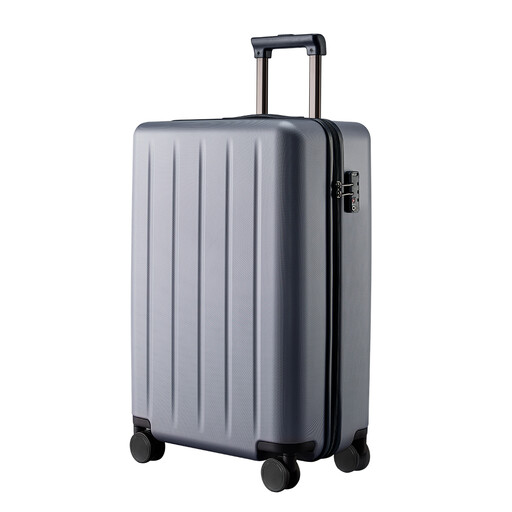
Why it suits this profile: This cabin suitcase offers a 38-litre capacity and is aimed at trips of around three to five days. Its dimensions are 56.5 × 37.5 × 23 cm and its stated weight is 3 kg.
The product information clearly states the size, capacity and weight. Nevertheless, check your airline’s rules before setting off.
PC hard shell, double spinner wheels, telescopic handle and built-in TSA lock.
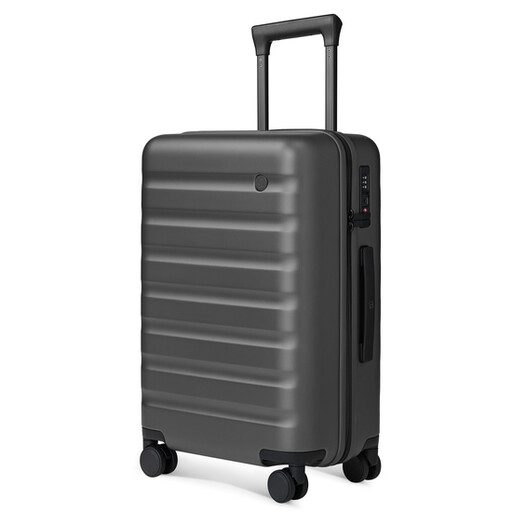
Why it suits this profile: Suitable for travellers who value an organised layout and useful features on the move. The suitcase includes compression straps and a separate PVC pouch for damp items.
According to the description, the TSA lock and handles are recessed, so they protrude less during transport.
PC shell, 360° wheels, compression straps and a zipped pocket for wet and dry items.

Why it suits this profile: A practical choice for anyone needing extra space when moving house, travelling for longer periods or carrying spare luggage. According to the product information, the bag has a basic capacity of 75 litres and can expand to 140 litres.
The stated maximum load of 50 kg makes the carrying limit clear. The bag weighs approximately 398 grams and folds away for storage.
Water-repellent fabric according to the product description, several compartments and the option to carry it as a hand or backpack.
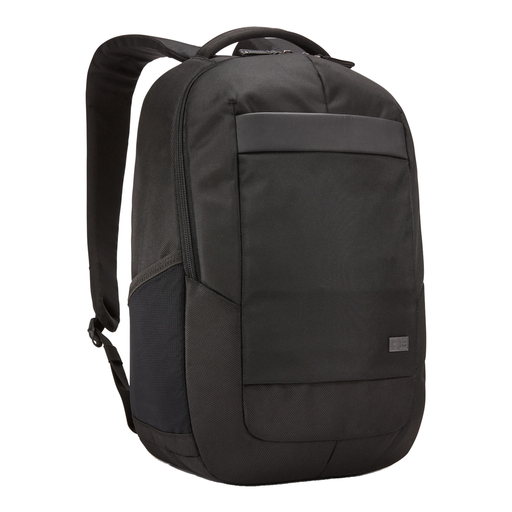
Why it suits this profile: This compact nylon backpack is designed for everyday use and has room for a laptop of up to 14 inches, documents, accessories and a water bottle.
The laptop size of up to 35.6 cm (14 inches) is specified. This allows you to compare the fit with your own device in advance.
EVA compartment for a 14-inch laptop, padded shoulder straps, zipped front pocket and mesh side pockets.
We have put together a complete, up-to-date list of products that fully meet these strict selection criteria and the applicable European safety regulations.
Carry out a simple check before packing:
A luggage set can be a good-value option when you need different sizes. According to the product information, the KONO set includes a beauty case of approximately 11 litres, a 20-inch cabin suitcase of approximately 40 litres, a 24-inch model of approximately 65 litres and a 28-inch suitcase of approximately 100 litres. As the external dimensions vary by size, you still need to check the airline’s rules.
For a stay of a few days, a cabin suitcase or compact travel backpack is often sufficient. Choose a model with a clear layout and check the permitted dimensions in advance. If you mainly travel by train and tram, a laptop backpack or lightweight backpack may be more practical than wheels.
A TSA lock is not essential for every journey. However, it can be useful when travelling to countries where security staff can open these locks with an official key. The lock does not replace careful handling of valuable belongings and does not guarantee protection against every form of theft.
Its lifespan depends on how heavily it is loaded, the surfaces it is used on, storage and maintenance. Clean hard suitcases and bags with a soft, damp cloth and avoid harsh cleaning products. Do not overload the wheels, zips or handles. Before every trip, check that the seams, fastenings and wheels are still working properly.
