
Journal scanner user who wants to protect the binding
You want to scan bound or delicate travel journals without pressing the spine against glass. CZUR and ScanSnap describe overhead models designed to capture bound pages.


For bound travel journals, an overhead scanner is a natural choice if you don’t want to press the spine against a glass platen. However, check that there’s enough room for the open book and that the fold will be legible. A flatbed book scanner may suit pages that lie open easily, but they need to make contact with the glass. Test a scan using your own photos and handwriting, and check software compatibility and file storage arrangements.
You want to scan bound or delicate travel journals without pressing the spine against glass. CZUR and ScanSnap describe overhead models designed to capture bound pages.
You want to preserve photos, drawings and handwriting as images, not just recognise the text. Try scanning some of your own pages; IRIS and CZUR describe features for overhead scanners, but you’ll need to assess the results using your own material.
You need to share the scanning space or clear it away after use. IRIS describes a space-saving desk design, while CZUR offers a foldable scanner. Also measure how much room the open journal will take up while you scan.
Choose this option: if you don’t want to press the binding against a glass platen, or if you often scan bound pages. CZUR and ScanSnap describe models that capture pages without contact and correct curved pages.
Bear in mind: you’ll need space for the open book and the scanner setup. Software correction doesn’t guarantee that text near the fold or every detail will be clearly visible.
Choose this option: if your journal opens wide enough and you want to scan your pages on a glass platen. Plustek positions the OpticBook 3800L for bound A4-size material.
Bear in mind: the page rests against the glass. Consider whether the binding can withstand being opened far enough, and check the specifications for the version on offer.
| What to consider | What should you check? | Who is this important for? |
|---|---|---|
| Protecting the binding | Compare contact-free capture and book correction; test whether text near the fold remains legible. | If you want to scan bound pages without pressing the spine against glass, the space around the fold matters. Around 33% of consumers prioritise protecting the binding. |
| Photos, drawings and handwriting | Try scanning glossy photos, drawings and a page with handwriting; assess the image alongside any OCR output. | If you want to preserve travel images and handwriting as images, you’ll want to assess the detail on your own pages. Around 27% of consumers prioritise image quality. |
| Studio space | Measure the workspace while scanning and the space where the scanner will be stored; remember to allow room for the open journal too. | If you need to clear the scanning space after use, both the setup and storage matter. Around 20% of consumers prioritise shared desk space. |
| Searchability and files | Check the computer software, the file format you need and where scans are stored; test OCR on a representative page. | If you want to find text later and share a computer, you’ll want to know whether the files can be used on that computer and stored securely. Around 20% of consumers prioritise searchability and file management. |
The number of sensors alone won’t tell you whether the fold, a glossy photo or handwriting on your journal page will be clearly visible.
Compare test scans of your most challenging pages and check whether a stated resolution is optical or achieved through software.
With a flatbed book scanner, the page rests on glass; the overhead models described capture pages without contact. This difference matters if the binding is stiff or delicate.
Before buying, consider how far the journal can open without strain.
Travel journals may contain information about identifiable people. Sharing or publishing files can raise privacy and copyright issues.
Agree where scans will be stored and who can access them; check files before sharing them. The Dutch Data Protection Authority stresses that appropriate security depends on the circumstances.
The regional specification pages for the Plustek OpticBook 3800L differ on technical points, so the details may not apply to every version on offer.
Before buying, ask which specifications apply to the version you’re considering and check that the software works on the studio computer.
CZUR describes the ET series as offering contact-free book scanning and lists the Shine Ultra as a foldable scanner. These models have different specifications.
IRIS describes the IRIScan Desk 7 Pro as a compact document camera and book scanner with OCR and curved-page correction.
The ScanSnap SV600 is an overhead scanner for books and other bound material; ScanSnap says it can be used with a PC or Mac.
Plustek positions the OpticBook 3800L as a flatbed book scanner for bound A4-size material and describes OCR output.
VIISAN describes the S21 as an A2 overhead scanner for larger books and documents.
This selection of Joybuy products includes a foldable document scanner and flatbed scanners for pages that can lie on glass. Check whether each model is suitable for your bound journal.
 Image unavailable
May suit you if you’re looking for a foldable scanner for flat pages and want to clear the scanning space after use.
The product description mentions A3 and A4 documents and OCR. Glossy material, such as glossy photos, is not recommended.
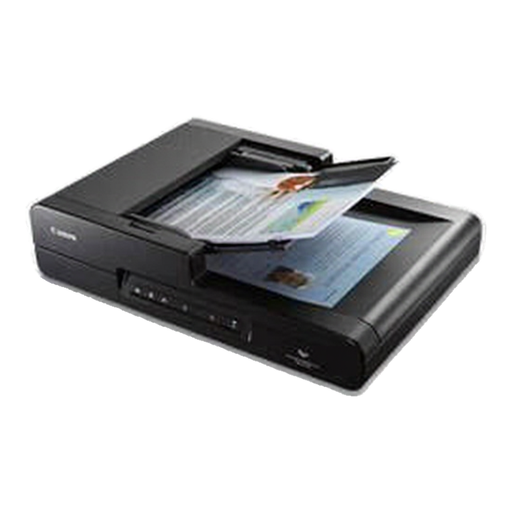 Image unavailable
May suit bound material that can open wide enough to lie on the glass platen.
Flatbed and ADF; the product name lists 600 × 600 dpi and A4. The description mentions books and delicate material, plus output to editable PDFs. Thick or bound items need to be placed on the glass.
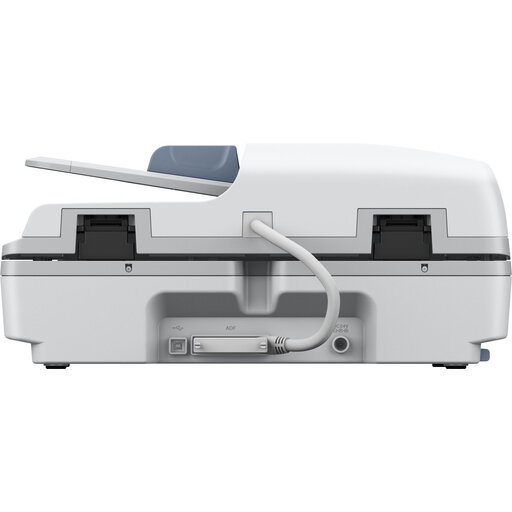 Image unavailable
May suit you if your journal pages can lie on the flatbed and you want to keep your scans searchable.
The description lists a flatbed and ADF scanner, two-sided scanning and searchable PDF output. A network interface for shared use is optional; allow for the space your journal needs to open on the flatbed.
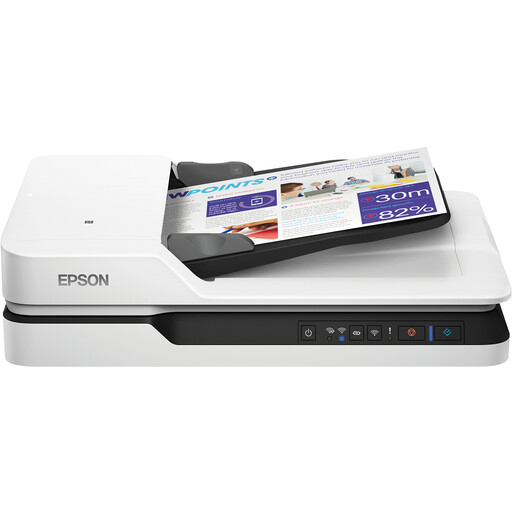 Image unavailable
May suit bound pages that can lie on a flatbed, and if you’re looking for a compact scanner for a shared scanning space.
The product name lists 1200 × 1200 dpi and A4. The description mentions books and bound documents, plus wireless and USB connections. Allow for the space your journal needs to open on the glass platen.
Not with an overhead scanner: CZUR and ScanSnap describe capture without pressure from a glass platen. However, check with a test scan that the fold remains legible. With a flatbed book scanner, first consider whether the binding can withstand being opened far enough.
Check that the software works on the computer available and start by scanning a representative page. Agree where files will be stored and who can access them, especially if the journals contain other people’s personal data. The Dutch Data Protection Authority says that appropriate security depends on the circumstances.
No. A stated OCR feature doesn’t guarantee that your handwriting will be recognised. Keep images of the pages and check the recognised text using a test scan of a representative page.
Check which scanning and OCR software comes with the version on offer, whether it works on the studio computer, and what warranty and returns terms the seller provides. Regional specifications for the Plustek OpticBook 3800L differ, so base your decision on the version you’re actually considering.
Not simply because you’ve scanned them. According to the Government of the Netherlands, you may make a private copy of copyright-protected books, photos or texts for your own use, but you may not share or publish them without the necessary permission. Also check separately whether photos or texts by other people that have been pasted in are protected by copyright.