
Vandaag of morgen in huis

Kwaliteit gegarandeerd

Welkomstaanbiedingen ontgrendelen: GRATIS bezorging | Tot 80% korting | Gratis 30 dagen JoyPlus-proefperiode
Download de app
Choosing a training volleyball might seem straightforward, but ending up with a ball that's too hard, too slippery, or loses its shape after just a few games is a common pitfall. The wrong choice can make training sessions frustrating and hinder player development. The goal of this guide is to provide clarity. We focus on the specifications that truly matter, ensuring you select a ball that aligns with your training objectives, skill level, and budget.
Before we dive into specific models, it's essential to understand the key parameters. These factors determine the ball's feel, durability, and suitability for your specific needs.
The outer material of the ball has the most significant impact on touch and control.
A size 5 training volleyball must withstand intensive and repetitive use. Most quality balls are machine-stitched. This technique ensures tight, consistent seams that maintain the ball's shape and extend its lifespan, even with daily training. A stable inner bladder is also crucial for a predictable trajectory and consistent bounce characteristics.
Although many training balls are versatile, it's wise to consider the primary playing environment.
Based on the criteria above, we have curated a selection of Double Fish volleyballs. This brand is known for its focus on product parameters for both training and competition.
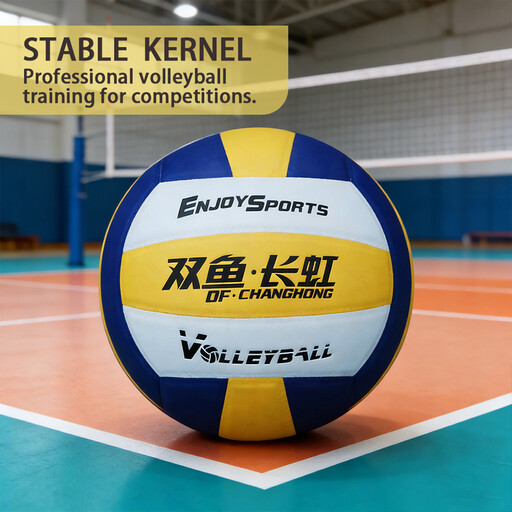
Why This Product This ball is engineered to replicate the feel of a competition ball. Its high-grade microfiber leather with Soft-Skin Tech makes it ideal for serious training sessions where ball feel and control are paramount.
Benefits
Who It's For Clubs, semi-professional players, and serious amateurs seeking a training volleyball with the characteristics of a match ball.
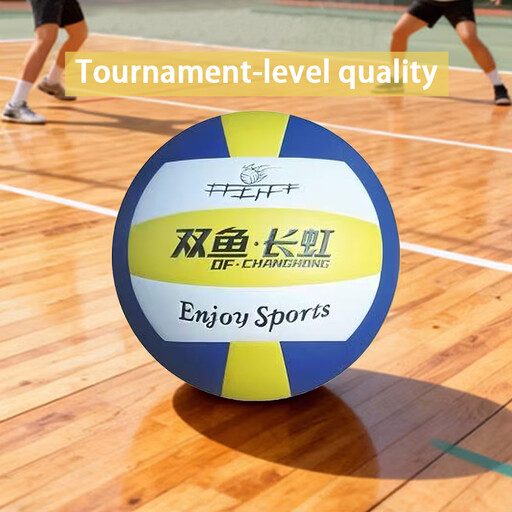
Why This Product The VH511P is a true all-rounder. Its synthetic leather (PU) offers an excellent balance between a soft feel and the robustness required for varied use, from team practices to a casual game with family.
Benefits
Who It's For Volleyball clubs, schools, and recreational players looking for a reliable and durable volleyball for all-around use.
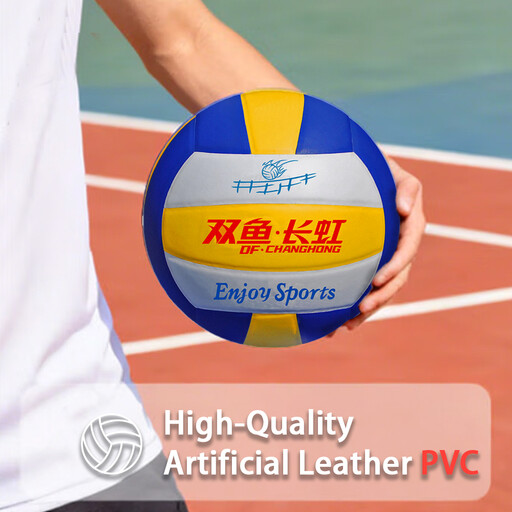
Why This Product This ball is built with durability as its top priority. The PVC material is extremely wear-resistant, making it ideal for situations where the ball will endure significant abuse, such as on schoolyards or during exams.
Benefits
Who It's For Beginner players, schools for training and exams, and anyone seeking an extremely wear-resistant ball for use on hard surfaces.
The focus of this article is on finding the right size 5 training volleyball. If you are a club, school, or sports enthusiast also looking for equipment for other indoor sports, a range of basketball equipment is also available for those exploring a wider selection.
1. What is the difference between a training volleyball and a match volleyball? A match volleyball must adhere to strict official specifications regarding weight, circumference, and material, often microfiber leather. A training volleyball offers more variety in materials (like PU and PVC) and is often designed with a focus on durability for intensive use, while still aiming to replicate the feel of a match ball.
2. How do I know if a volleyball has the correct pressure? The recommended air pressure is usually printed on the ball itself, typically between 0.29 and 0.32 kgf/cm? (or 4.26 to 4.61 PSI). A ball that is over-inflated will feel painful on the arms and is difficult to control. An under-inflated ball will have a slow, unpredictable flight. Check the pressure regularly with a ball pump that has a pressure gauge.
3. Can I use an indoor volleyball outdoors? You can, but it is not recommended for long-term use. An indoor volleyball, especially one made of microfiber leather, will wear down significantly faster on rough surfaces like asphalt or concrete. Moisture and dirt can damage the material and the seams. For outdoor use, a ball made of PU or PVC is a more durable choice.
Written by: Joybuy Product Recommendation Officer
