
Vandaag of morgen in huis

Kwaliteit gegarandeerd

Welkomstaanbiedingen ontgrendelen: GRATIS bezorging | Tot 80% korting | Gratis 30 dagen JoyPlus-proefperiode
Download de app
Trainers are suitable for work, school, walking and leisure. Even so, a good-looking pair can disappoint in practice. For example, a soft insole tells you little about the fit, while a bold colour isn’t always easy to style. If you focus only on the brand or appearance, you’re more likely to run into problems.
The main pitfalls when buying trainers are:
First, check the size guide on the product page and compare it with your foot length where possible. Don’t just look at size 37 trainers or size 42 trainers; check the stated fit too. A regular fit isn’t the same as a wide fit.
Also consider the fastening. Laces offer more room for adjustment across the top of your foot. Hook-and-loop fastenings are practical for children who want to put on their trainers by themselves. A heel loop can make them easier to slip on, but it can’t replace a good fit.
If you’re between sizes, checking the insole length can help. Wear the trainers with the socks you’d normally choose and make sure your toes don’t touch the front. Children’s shoes need a little extra room for growth, but shoes that are too big can slip while walking.
Take a look at the sole construction. A rubber outsole can offer grip and durability, but the tread also affects how suitable the shoe is for wet pavements or slippery floors. A flat sole often works well for casual trainers, while a more defined tread can be more practical for everyday outdoor use.
An EVA or IMEVA midsole is often used to reduce weight. PUMA’s product description says IMEVA is designed to feel lightweight and comfortable. This is a brand specification, not a guarantee that every wearer will have the same experience. So, also consider the shape of the sole, the insole and the overall weight.
For everyday wear, comfortable trainers with suitable cushioning are often a more sensible choice than a style selected purely because it’s on trend. For sporting activities, you should also check whether the product is designed for that purpose. A casual trainer isn’t automatically a running or training shoe.
The materials will determine how you care for your trainers:
Always follow the washing and care advice on the product page. Some models shouldn’t be machine-washed. For children’s trainers with built-in lights, such as some Skechers models, cleaning with a damp cloth is generally recommended. Also check whether the insole is removable if you want to replace it or let it air.
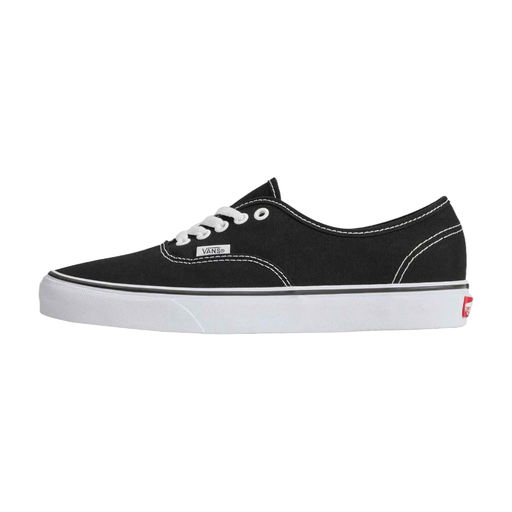
Why it suits this shopper: These low-top black trainers are easy to pair with everyday outfits and have a textile upper and lining.
The product specifications clearly list the materials and size 37, helping you avoid choosing based on the photo alone.
Textile upper, textile lining, rubber sole and versatile black colour.
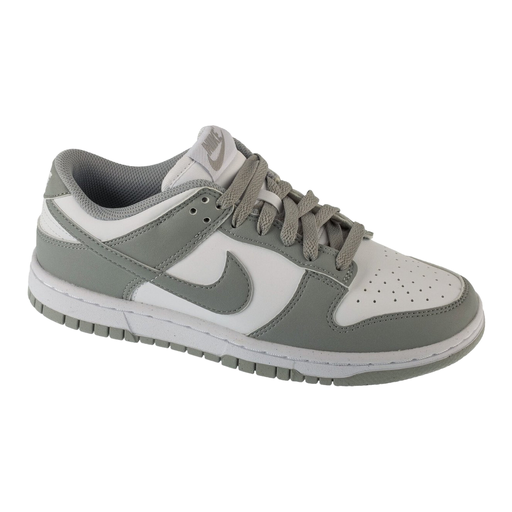
Why it suits this shopper: These women’s trainers have a distinctive low-profile design in white with subtle pastel accents.
The product information lists a leather and textile upper, a padded collar and a rubber sole with a pivot point.
Leather and textile upper, padded collar, cushioned insole and rubber outsole.
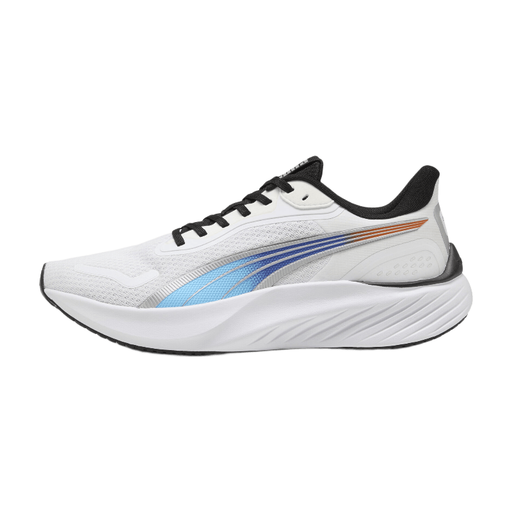
Why it suits this shopper: This size 42 model is aimed at men looking for a trainer for walking, training and everyday wear.
The product page gives the material percentages, fastening, sole material and size advice. Before buying, also check the stated insole length.
Lightweight foam according to the product description, PROTREAD rubber outsole and an upper made with at least 30% recycled materials according to PUMA.
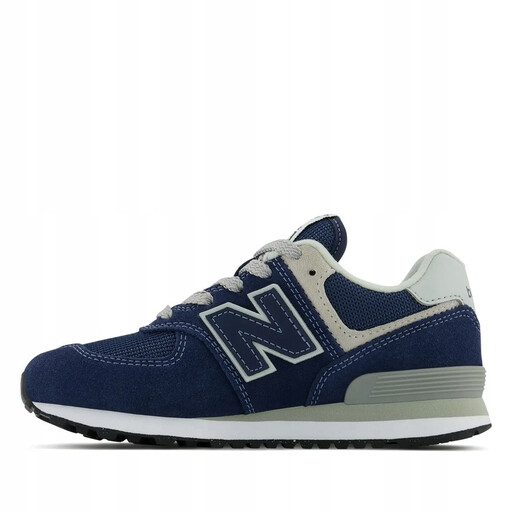
Why it suits this shopper: These children’s trainers have a hook-and-loop fastening and, according to the product information, are designed for school, play and everyday wear.
The product details list the upper materials, EVA midsole, rubber outsole and fastening, making it easier to assess care and suitability.
Suede, synthetic material and textile mesh, EVA foam in the midsole and a treaded rubber sole.
Alongside this selection, there are several popular options to suit different preferences. Skechers trainers often focus on a soft insole and a low-profile everyday design, but always check the size advice: according to the product information, some models come up larger. PUMA trainers range from the narrow Speedcat OG to sportier styles. The Speedcat features a leather upper, textile lining and flat heel.
For a retro look, consider New Balance trainers such as the 574 series. Vans trainers and Converse trainers usually have a low-profile design with textile and rubber, making them a good match for casual outfits. If you’re looking for black trainers, you’ll generally find styles that are easy to pair with different outfits; white trainers often need cleaning more frequently. The Nike Dunk Low has a distinctive basketball-inspired design, but check the available size and materials for each version.
We’ve put together a complete, up-to-date list of products that meet these strict selection criteria and the applicable European safety regulations.
How long they last depends on how often you wear them, the surfaces you walk on, your body weight, the materials and how well you look after them. Look out for worn tread, loose seams and a misshapen insole. Children’s feet are still growing too: a pair may look in good condition but still be too small.
Follow the care label. A soft cloth, lukewarm water and a mild cleaning product are usually a good choice. Remove the laces and insoles only if the instructions allow it. Leave trainers to air-dry, away from radiators and direct sunlight. Leather, suede and styles with electronics need extra care.
It depends on the model. Check the description, sole construction, fastening and intended use. Casual trainers are suitable for everyday activities, but stability, grip and a design made for the specific sport matter more than appearance alone for intensive exercise.
