
Vandaag of morgen in huis

Kwaliteit gegarandeerd

Welkomstaanbiedingen ontgrendelen: GRATIS bezorging | Tot 80% korting | Gratis 30 dagen JoyPlus-proefperiode
Download de app
Buying trainers seems simple, until you have to choose between women’s trainers, men’s trainers, children’s trainers, casual trainers and sports shoes. A style may look appealing, yet be less suitable for long walks, school days or intensive training.
That is why the right choice starts not with colour or brand, but with intended use, fit, material and fastening. Below, you’ll find the key points to consider, followed by a selection of popular options based on verifiable product specifications.
A thick or soft insole feels comfortable when you try the shoes on. That does not automatically say anything about stability, grip or suitability for prolonged use. You should also check the outsole material, flexibility and whether the insole is removable.
Some memory foam trainers have a non-removable insole. That may be perfectly fine for everyday wear, but less practical if you use your own orthotic insole.
Casual trainers, such as black trainers or Vans trainers, are often designed for everyday use. They are not necessarily suitable as running shoes. For running, factors such as fit, cushioning, grip and low weight are important. Always check the product description before using a lifestyle model for sport.
Sizing can vary between brands and models. Look for information such as true to size, shoe width and sizing advice. The product details for some Skechers trainers, for example, state that the model comes up large and recommend choosing one size smaller. With children’s shoes, it is also sensible to measure their feet regularly, as children’s feet grow.
For walking, work and everyday travel in the Netherlands, a rubber outsole with sufficient tread is practical. A flat sole may suit casual wear, while a running shoe is more geared towards movement and grip.
Pay attention to these points:
A model with a leather upper may feel sturdier, but often requires more care than mesh or textile. For leather trainers, applying an impregnating product before first use is often recommended according to the product instructions.
Mesh and other textiles generally allow more air to circulate than synthetic leather. This makes them appealing for warm days, commuting or sporting activities. Leather trainers offer a different look and may be suitable for casual outfits, but make sure you check the care instructions.
Also consider the lining. A textile lining can affect wearing comfort, while a soft insole may provide additional cushioning. Treat terms such as “comfort” or “lightweight” as product descriptions; the actual experience depends on your foot shape, socks and intended use.
Laces allow you to adjust the fit around the instep. Hook-and-loop fastening is particularly practical for children’s trainers, as children can fasten the shoes independently. An elasticated design combined with hook-and-loop fastening can make putting the shoes on and taking them off even easier.
Before ordering, check:
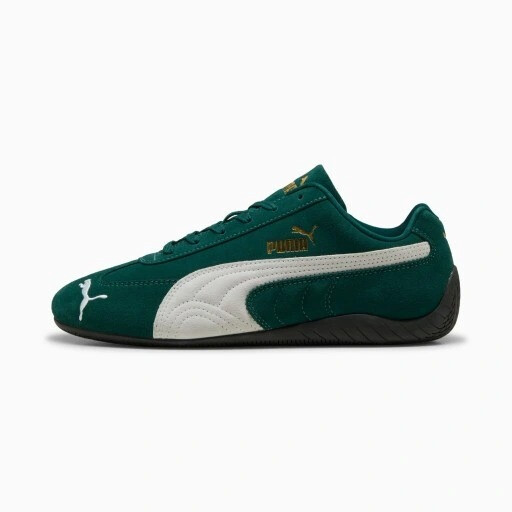
Why it suits this profile: This low-profile model has a standard fit, lace fastening and a flat heel. The leather upper and dark colour work well with a range of casual outfits.
The product details specify the materials and a rubber outsole, rather than making only general comfort claims.
Leather upper, textile lining, rubber sole and IMEVA mentioned in the description for a lightweight feel.
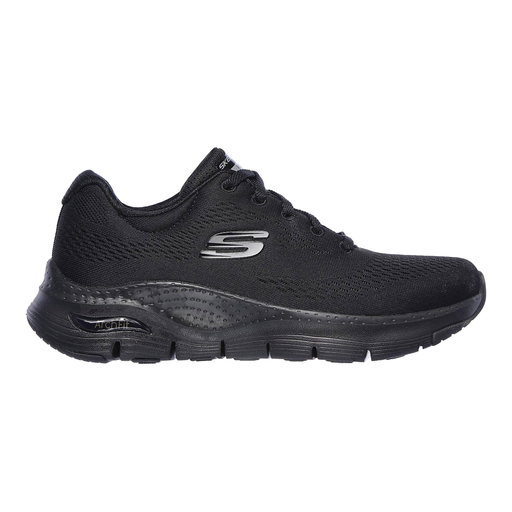
Why it suits this profile: This women’s model combines an engineered mesh upper with an Air-Cooled Memory Foam insole. It is suitable for everyday walking and a sporty casual style.
The description specifies the upper material, rubber sole and sizing advice. This lets you look beyond the name of the cushioning technology.
Mesh for breathability, lace fastening, rubber sole and washing instructions for a gentle cycle.

Why it suits this profile: The product description focuses on running and routes from roads to off-road terrain. The model features mesh, an EVA midsole and a rubber outsole with ROCKYTEC technology.
The description provides measurements in millimetres and distinguishes between a standard and narrow fit. This helps you make a more targeted choice.
Lightweight sandwich mesh, EVA midsole, rubber outsole and sizes from EU 39 to EU 45 in the listed table.
We’ve put together a complete, up-to-date list of products that fully meet these strict selection criteria and the applicable European safety regulations.
For women’s trainers and men’s trainers, fit, sole type and material are often the first things to consider. A black model is easy to style, while leather has a different look from mesh. Brands such as Skechers, Puma and Vans offer different models for casual wear, walking or sporting activities. Always check the specific details of the pair you are considering.
For boys’ trainers and other children’s shoes, fastening and sizing advice are particularly important. Models with hook-and-loop fastening, such as the Skechers Gametronix or Microspec Texlor, are convenient for young children. A standard fit and rubber sole can be practical for school and play, but check that the size still fits properly.
This depends on usage, how often you walk or run, body weight, terrain and care. Replace a pair when the sole shows clearly uneven wear, the grip has noticeably deteriorated or the upper and fastening no longer function properly. Don’t consider only the age of the shoes.
Not always. Casual trainers are generally designed for everyday use, not repeated running impact. For running, choose a model whose product description explicitly mentions sporting use, and check the cushioning, grip, fit and sizing.
Follow the manufacturer’s instructions. Many models should not be put in the washing machine and are better cleaned with a damp cloth and mild soap. Allow shoes to air-dry away from direct heat. Treat leather trainers with an impregnating product according to the product instructions, and store each pair somewhere dry and well ventilated.
