
Vandaag of morgen in huis

Kwaliteit gegarandeerd

Welkomstaanbiedingen ontgrendelen: GRATIS bezorging | Tot 80% korting | Gratis 30 dagen JoyPlus-proefperiode
Download de app
Choosing a new pair of shoes online might seem easy, but photos and marketing copy don’t always tell the whole story. A trainer that looks good might be too stiff for everyday wear. A lightweight running shoe might not offer enough grip on wet paths. And for children’s shoes, a quick hook-and-loop fastening can be more important than a stand-out design.
This guide helps you compare trainers and sports shoes based on verifiable features. That way, you can make a more informed choice between women’s trainers, men’s trainers, running shoes, trail running shoes, walking shoes and children’s trainers.
Adidas running shoes, Salomon trail shoes, Skechers trainers, Nike Dunk Low and New Balance 574 are popular search terms. However, a brand name doesn’t automatically tell you whether a model is right for your feet or intended use. A lifestyle model is usually constructed differently from a shoe designed for running or walking.
So, start by looking at the sole, upper, fastening and stated use. Use the brand name as a filter only after that.
A low price can be tempting, but a thin upper, limited support or a smooth sole can restrict how you use a shoe. On the other hand, a more expensive model isn’t automatically suitable for intensive use. Check which materials are actually listed and whether the sizing and fit information is clear.
Also consider care requirements. Some shoes shouldn’t be machine-washed and need to be cleaned with a damp cloth. This is especially important for shoes made with special materials, a waterproof membrane or built-in lights.
These terms are only useful if it’s clear what gives the shoes those features. A membrane such as GORE-TEX is mentioned in the product information for some Salomon models. Other shoes rely on a mesh upper for ventilation. A rubber outsole with a tread pattern tells you more about grip than the words “all terrain” alone.
According to the brands’ or retailers’ own product information, features can vary between models and versions. So always check the full specifications for the pair you choose.
If possible, measure both feet at the end of the day. Compare the longer foot with the size chart in centimetres or millimetres, rather than relying only on your usual EU size. Sizing can vary between brands and models.
Check:
It’s particularly important to check children’s shoes carefully. Children’s feet grow quickly, and shoes that are too tight can become uncomfortable. Hook-and-loop fastenings are practical for school and play, but check that they fasten securely.
Textile, mesh and synthetic materials are often chosen to keep shoes lightweight and allow air to circulate. Suede and leather can feel more structured, but usually need more care. Trail running shoes often have reinforcements around the toe and heel to help reduce wear from stones or branches.
A breathable upper is especially useful for running, long walks and warm weather. For rainy conditions, also look for a clearly stated water-repellent or waterproof membrane. “Breathable” doesn’t automatically mean waterproof.
The midsole has a big impact on how a shoe feels. EVA foam is widely used to create a lightweight construction with cushioning. Some models also list their own foam technology or an insole. Treat these as product specifications, not a guarantee of a particular experience for you.
The outsole is just as important:
So, if you’re looking for shoes with good grip, consider not only the material but also the tread pattern and the surfaces you’ll be wearing them on.
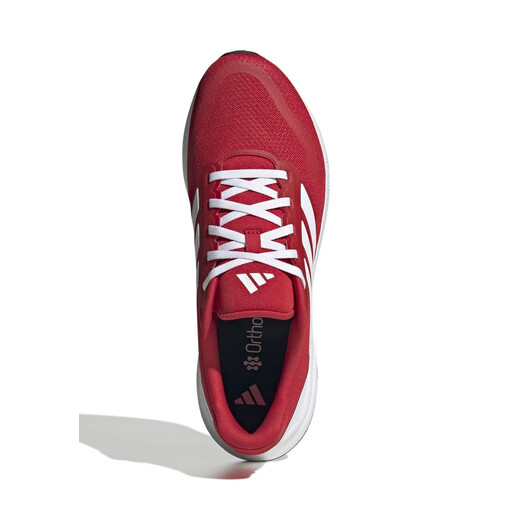
Why it suits this profile: According to the product information, these running shoes are designed for everyday running and short distances of 0 to 10 km. The mesh upper and lace-up fastening make them suitable for sport and active everyday wear.
The intended use, midsole and outsole are described clearly. So you don’t have to rely solely on the adidas name or the shoe’s appearance.
Mesh upper, Cloudfoam midsole, Ortholite insole and Adiwear rubber outsole, according to the product description.

Why it suits this profile: If you regularly go walking or trail running on uneven paths, stability, protection and grip are important factors to consider.
The product description specifically lists a GORE-TEX membrane, 3D Advanced Chassis and Contagrip outsole. This means you can check the key features for outdoor use.
Waterproof membrane according to the product information, reinforced toe and heel, Quicklace fastening and Contagrip rubber.
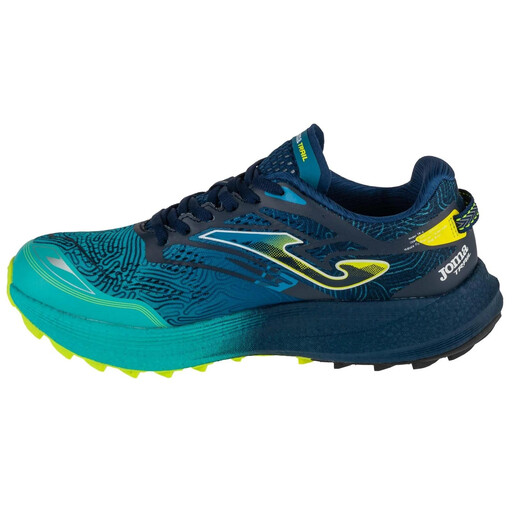
Why it suits this profile: According to the product information, this model is designed for trail running and training on uneven or slippery surfaces. It’s a good choice for anyone looking for more protection than a standard trainer can offer.
The shoe isn’t simply described as lightweight or comfortable: the mesh, EVA midsole, reinforced toe and heel, and treaded sole are all listed separately.
Breathable mesh upper, shock-absorbing EVA midsole, grippy rubber sole and extra reinforcement around the toe and heel.
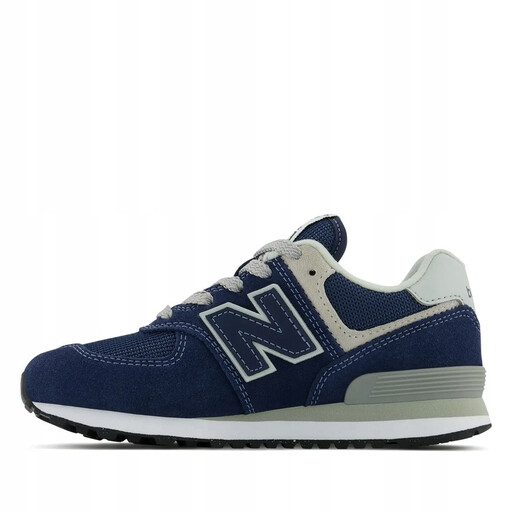
Why it suits this profile: These children’s trainers are designed for school, play and everyday wear. The hook-and-loop fastening makes them practical for young children to put on and take off.
The product information lists suede, synthetic material and textile mesh, rather than making a general claim about comfort. Care instructions are also provided.
Lightweight EVA midsole, rubber outsole with tread, textile mesh and hook-and-loop fastening.
We’ve put together a complete, up-to-date list of products that meet these strict selection criteria and the current European safety regulations.
That depends on how often you wear them, the surface you use them on, your body weight, how well you care for them and the quality of their construction. Regularly check the outsole for wear, the upper for tears and the midsole for signs of distortion. For running, it’s worth considering not just how long you’ve had your shoes, but also how often and on what surfaces you run.
Some models can be worn every day, especially if they’re comfortable and have a neutral fit. A trail shoe with a deep tread can feel less comfortable on tarmac and may wear out more quickly. For everyday wear, lightweight running shoes with mesh uppers and flexible soles are often more practical than a heavy trail model.
Choose according to the surface. For road use and short runs, a lightweight, flexible midsole often plays a big part. For woodland, gravel and wet paths, tread, rubber compound and stability are just as important. If you often switch between the city and the countryside, consider an all-terrain model, but always check its stated use and fit.
