
Vandaag of morgen in huis

Kwaliteit gegarandeerd

Welkomstaanbiedingen ontgrendelen: GRATIS bezorging | Tot 80% korting | Gratis 30 dagen JoyPlus-proefperiode
Download de app
A pair of trainers or sports shoes can look great online, yet disappoint once you wear them to school, work, the gym or on a walking trail. Three common pitfalls can lead to a poor purchase:
Checking how you’ll use the shoes, their fit and the sole beforehand will help you compare options more effectively. This applies to men’s trainers, women’s sports shoes and children’s trainers.
A regular fit doesn’t mean every foot will get the same support. Look for terms such as regular fit, relaxed fit, shoe width and the size guidance for the specific model. If you’re unsure, measure both feet at the end of the day and compare your longer foot with the size chart.
The fastening also affects everyday use:
Also check whether the insole is removable. This matters if you use your own insoles. On various Skechers trainers, such as the Burns 52635 BBK, the product information states that the insole is not removable.
Mesh and textile generally let more air through than a fully closed synthetic upper. This can be comfortable for everyday wear or light training. Leather, synthetic leather and suede have a different look and can be easier to wipe clean, but they don’t always offer the same level of ventilation.
Always check the exact materials. A shoe with mesh panels isn’t automatically waterproof. For wet trails, a model with a specifically stated membrane is a better choice. For example, the Salomon XA Pro 3D v9 GTX product description lists a GORE-TEX membrane. Present this as a product specification, not a guarantee that your feet will stay dry in all conditions.
The outsole plays a part in determining the grip and wear resistance you can expect. A rubber sole with a tread pattern is better suited to walking trails than a flat, thin sole designed mainly for casual wear.
Also consider what the shoes are designed for:
Cushioning is a personal choice. A Memory Foam sole may feel soft, but that alone doesn’t tell you whether it provides the right support for intensive sport. Look at the full sole construction and choose a model that suits your activity.
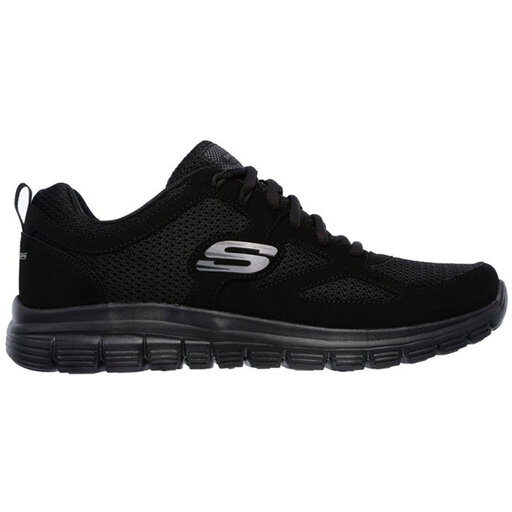
Why it suits this profile: This low-top trainer is designed for everyday wear, casual outfits and light activities. Its regular fit and laces make it easy to adjust.
The product information lists mesh panels for ventilation, a flexible rubber sole and a non-removable Memory Foam insole. Check beforehand that the insole suits your needs.
Synthetic leather upper, textile lining, rubber outsole and lace fastening.
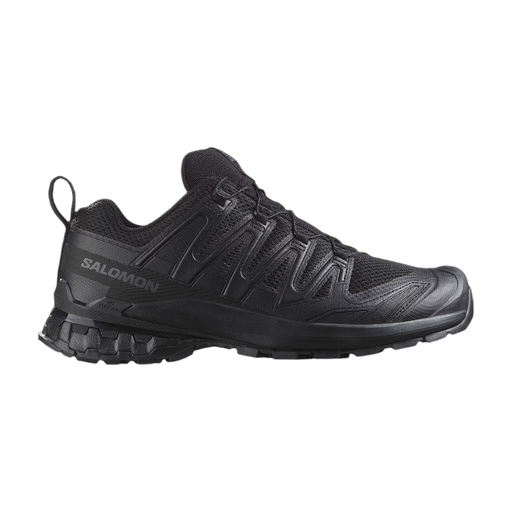
Why it suits this profile: According to the product description, this model is suited to trail running and walking on technical terrain, such as hilly routes and unpaved paths.
Rather than judging it by appearance alone, you can check its specific features: a GORE-TEX membrane, Quicklace fastening and a Contagrip rubber outsole.
Waterproof membrane according to the product information, stabilising 3D Advanced Chassis construction and a treaded sole for different surfaces.
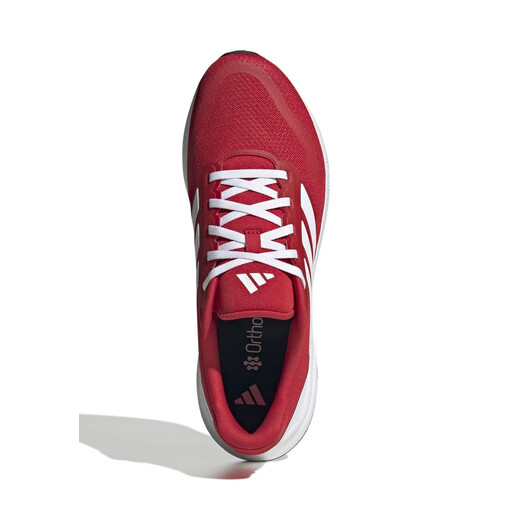
Why it suits this profile: The combination of mesh, a Cloudfoam midsole and an Adiwear outsole is suited to short runs, walking and an active daily routine.
Its stated use is more specific than simply “sporty”: the product information mentions road training and distances of 0 to 10 km. Don’t automatically use this model for demanding trail terrain.
Breathable mesh, Ortholite insole, Cloudfoam midsole and lace fastening for an adjustable fit.
For children, the New Balance 574 PC574EVN is a practical option to compare. The product information lists an EVA midsole, a rubber outsole with tread and hook-and-loop fastening. This makes the model suitable for school, play and everyday wear, as long as the size and width are a good fit.
We’ve put together a full, up-to-date list of products that meet these strict selection criteria and current European safety regulations.
Their lifespan depends on how you use them, your body weight, the surface, care and materials. Look for wear on the tread, cracks in the upper and a sole that’s wearing unevenly. For running, it’s worth considering not just how long you’ve had the shoes, but also the distance you’ve covered and any change in how the sole feels.
You can for light everyday activities, but they’re not always practical. Running shoes often have a sport-specific sole and mesh upper. For work, cycling or spending a lot of time walking in the rain, a casual model with a more robust upper may be a better fit. Choose according to the surface and how many hours you’ll wear the shoes.
Remove dirt with a soft brush or damp cloth and a mild cleaning product. Let the shoes air-dry, away from direct heat. Always check the care instructions for the model: some shoes shouldn’t go in the washing machine, and shoes with built-in lights generally shouldn’t be submerged.
