
Vandaag of morgen in huis

Kwaliteit gegarandeerd

Welkomstaanbiedingen ontgrendelen: GRATIS bezorging | Tot 80% korting | Gratis 30 dagen JoyPlus-proefperiode
Download de app
Buying trainers and sports shoes online seems simple, until you have to choose between women’s trainers, men’s trainers, children’s trainers, running shoes and lifestyle trainers. A style may look appealing but still be wrong for your daily commute, sport or foot shape.
Joybuy’s Product Recommendation Officer has narrowed down the key information to points you can check. That way, you can compare more than just colour and brand: you can also look at fit, materials, grip, cushioning and care.
A Nike trainer, Lacoste trainer or Vans style may be suitable for everyday wear, but that doesn’t automatically mean it’s designed for running or intensive training. Lifestyle trainers often have a firmer sole and a more fashion-led shape. For running, cushioning, flexibility, ventilation and grip are more important.
So, wear lifestyle styles for commuting, shopping or casual outfits. Choose running shoes if you regularly cover several kilometres.
An EU size isn’t the same across every brand or style. So, also check:
Shoes that are too short will pinch. A style that’s too roomy may slip around when you walk or exercise. Always check the size guide on the product page. Trainers available in different sizes may come in half sizes or use different size ranges.
Terms such as ‘lightweight’, ‘waterproof’, ‘extra stable’ and ‘professional’ only tell you something when the product details back them up. Look at how the shoes are made:
Brand claims about performance don’t guarantee the same experience for everyone. Consider them alongside the technical specifications and intended use.
Measure your feet at the end of the day, when they usually take up a little more room. Compare your measurement with the size guide for the specific style. For running and trail running, a little space around the toes is often useful, but your heel shouldn’t slip out.
A standard fit isn’t the same as a wide fit. For example, the Pelliot styles in this selection are listed in standard and slim fits. This may be relevant if you have narrower feet.
For everyday walking, a soft EVA or foam midsole can feel comfortable. For recreational running, also consider the balance of cushioning and stability. The adidas Runfalcon 5 features a Cloudfoam midsole and an OrthoLite insole. According to the product information, the adidas Ultrarun 5 uses Bounce 2.0 cushioning.
These terms describe how the shoes are made; they don’t automatically indicate a particular level of performance. Choose based on your running distance, the surface you’ll be running on and your personal preference.
A flatter tread is often suited to city use and dry surfaces. For mud, loose ground or rocky paths, deeper grooves and a rubber outsole matter more. Trail running shoes such as the Salomon Speedcross 5 GTX W and Salomon XA Pro 3D v9 GTX feature Contagrip outsoles with tread designed for mixed or off-road terrain.
Check the water resistance, too. The Salomon styles feature a GORE-TEX membrane. This makes them worth considering for wet walking routes, but no shoe can replace suitable socks and proper care when exposed to water for long periods.
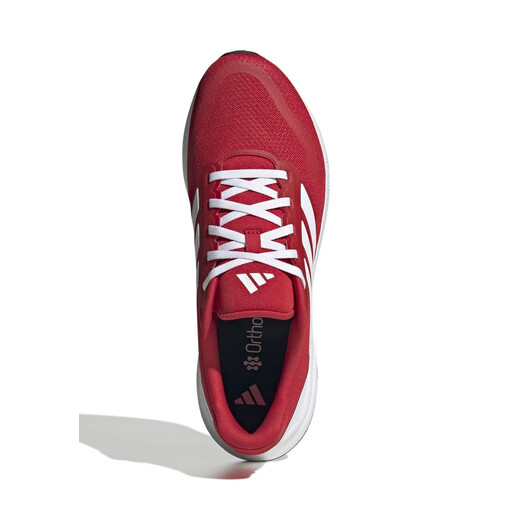
Why it suits this profile: According to the product information, this style is designed for road use and short runs of 0–10 km. That makes it a practical choice if you’re looking for one pair for recreational running and everyday wear.
The product description lists specific features such as Cloudfoam, mesh and an Adiwear outsole, rather than relying on general claims about comfort.
Mesh upper, Cloudfoam midsole, OrthoLite insole and rubber Adiwear outsole.
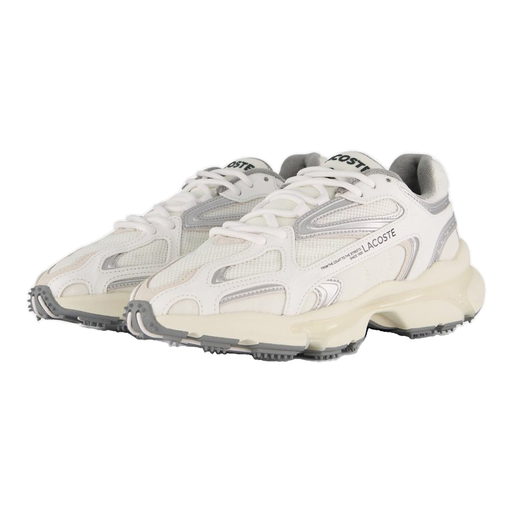
Why it suits this profile: These lifestyle trainers combine mesh, suede and synthetic overlays with an OrthoLite insole. They’re a good fit for everyday city wear, where both style and choice of materials matter.
The features are linked to visible materials and sole components. The shoes aren’t presented as running shoes.
Mesh and suede upper, EVA midsole, OrthoLite insole and rubber outsole with an anti-slip tread.

Why it suits this profile: According to the product description, this style is designed for trail running and walking on technical or rough terrain. Its construction therefore makes it better suited to intensive outdoor use than a regular lifestyle trainer.
The stated purpose, GORE-TEX membrane and Contagrip tread make it clear what the style is designed for.
GORE-TEX according to the product information, 3D Advanced Chassis, Quicklace and a Contagrip rubber outsole.
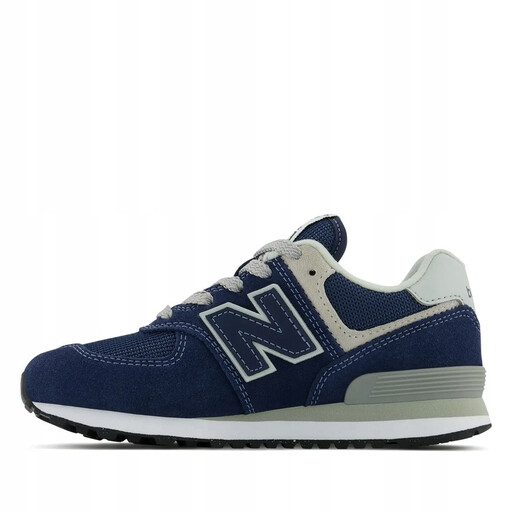
Why it suits this profile: The combination of a hook-and-loop fastening, mesh and a rubber sole is well suited to school, play and everyday wear. The fastening is practical for children who put their shoes on by themselves.
The product information covers the size, fastening, materials and care. That means you can look beyond appearance alone.
Hook-and-loop fastening, lightweight EVA midsole, mesh panels and rubber outsole with tread.
We’ve put together a full, up-to-date list of products that meet these strict selection criteria and current European safety regulations.
How long shoes last depends on how you use them, the surface you wear them on, your body weight, your gait and how well you care for them. A few simple habits can help:
If your shoes get wet, it’s usually best to let them air-dry slowly rather than apply heat. With trail running shoes, mud in the tread can affect grip, so clean it off after use.
Measure both feet in centimetres and use the size guide for the specific style. Use the measurement of your longer foot as your guide. Also check the fit and the space around your toes, especially if you wear thicker socks with your running shoes.
There’s no set lifespan. Everyday trainers may last longer than sports shoes worn several times a week. Replace your shoes when the sole looks visibly smooth or unevenly worn, the cushioning feels noticeably less effective or the upper no longer provides a stable fit.
Not always. A water-resistant style can be practical for walking, trail running and commuting in rainy weather. For intensive indoor activities, ventilation may matter more. So, check the intended use, membrane, tread and fit before buying.
