
Vandaag of morgen in huis

Kwaliteit gegarandeerd

Welkomstaanbiedingen ontgrendelen: GRATIS bezorging | Tot 80% korting | Gratis 30 dagen JoyPlus-proefperiode
Download de app
Trainers and sports shoes often look very similar online. However, the difference between a suitable shoe and an unsuitable purchase can be significant. A casual trainer for everyday wear is not automatically suitable for running. A thick sole also says little about the fit or grip.
So watch out for these common pitfalls:
As well as the EU size, check the foot length in centimetres where this information is available. For example, the adidas Run 70s 2.0 links EU 40 to a foot length of 25.5 cm. The product information also states that it has a regular fit.
Pay attention to the shoe width too. Width D is common across many models, but that does not automatically mean that every foot will feel the same in them. If you have a high instep, a wide forefoot or a narrow heel, look at the fastening and the shape of the toe box.
A sports shoe consists of several components. The midsole affects how the shoe feels when you walk, while the outsole makes contact with the ground.
For everyday use, a flexible rubber outsole and lightly cushioned construction can be comfortable. According to the product information, running shoes such as the adidas Galaxy 7 use a Cloudfoam midsole and a TPU outsole. These are verifiable material specifications, but they will not provide the same level of comfort for every runner.
For trail-running shoes, tread, stability and grip are more important than simply having a soft sole. According to the product description, the Salomon XA Pro 3D v9 GTX has a Contagrip rubber outsole and a 3D Advanced Chassis. The product information also mentions a GORE-TEX membrane for protection against wet weather. Treat this as a product specification, not a guarantee that your feet will stay dry in all conditions.
Do not simply put shoes in the washing machine. The adidas models in this selection recommend cleaning them with a damp cloth and leaving them to air-dry. Skechers recommends cleaning various models with a damp cloth and mild soap. Always check the instructions on the product page.
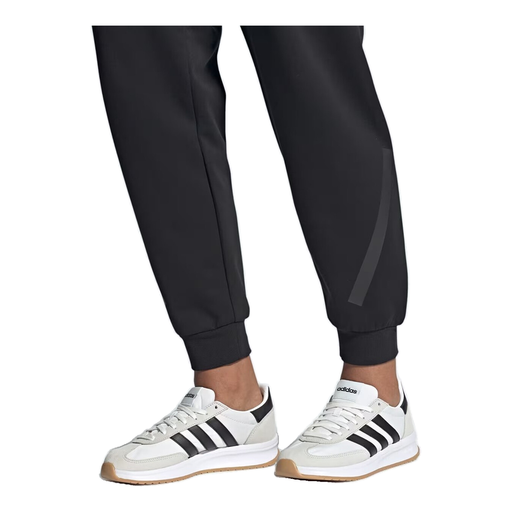
Why it suits this profile: A retro trainer for everyday use, commuting and leisure. The regular fit and size information including foot length make comparison easier.
The product information specifies the materials, a flexible rubber sole and a regular fit, rather than making only general comfort claims.
Textile lining, synthetic leather upper and a lightweight rubber outsole.
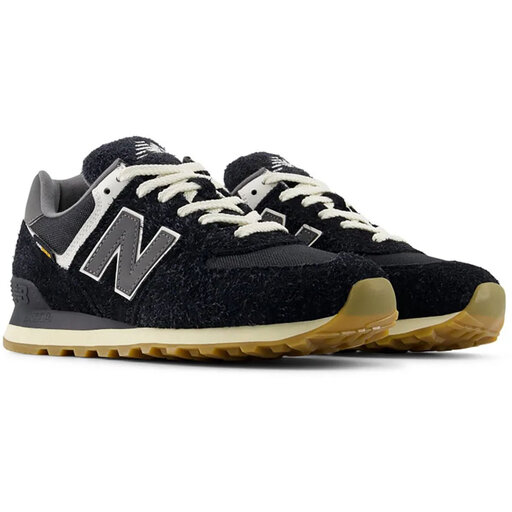
Why it suits this profile: A retro trainer for anyone looking to combine their choice of materials, everyday wearability and a distinctive silhouette.
The specifications mention suede, mesh, a rubber outsole and a supportive midsole. This lets you compare the model based on its materials.
A combination of suede and breathable mesh; rubber sole with grip for everyday use.

Why it suits this profile: Designed for trail running, walking and varied surfaces. Its construction is more specialised than that of regular casual trainers.
The product description specifies GORE-TEX, Contagrip, 3D Advanced Chassis and Quicklace. This makes it clearer what the model is designed for.
GORE-TEX membrane according to the product specification; Contagrip rubber lugged sole and quick fastening.
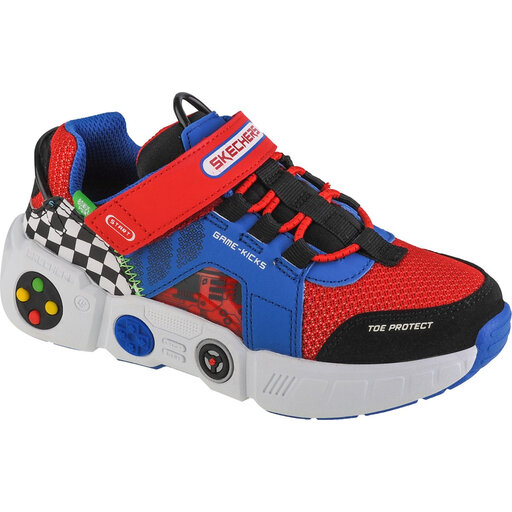
Why it suits this profile: A children’s trainer for school, play and everyday use. The fastening is practical when a child wants to put their shoes on independently.
Size 29, regular fit and shoe width D are clearly stated. The hook-and-loop fastening avoids the hassle of loose laces.
Synthetic leather upper, rubber sole and hook-and-loop fastening; the product information states that it has a regular fit.
We have put together a complete, up-to-date list of products that fully meet these strict selection criteria and the applicable European safety regulations.
Their lifespan depends on use, the surface, body weight, materials and maintenance. Casual trainers worn every day wear differently from shoes used only indoors. Look out for a smooth, worn outsole, coming-away seams or compressed cushioning. These are practical signs that it is time to replace a pair.
They can be suitable for short, gentle walks, but it depends on the model. Running shoes are usually lightweight and designed for a specific running surface. For long walks, wet paths or uneven terrain, walking boots or trail-running shoes may offer more suitable features, such as a pronounced tread and extra stability.
Measure both feet at the end of the day and compare the longer foot with the size chart for the specific model. As well as EU 42, check the foot length in millimetres or centimetres. On some models, such as the adidas Galaxy 7, EU 42 corresponds to a foot length of 27 cm. Also allow room for socks and space around the toes.
