
Vandaag of morgen in huis

Kwaliteit gegarandeerd

Welkomstaanbiedingen ontgrendelen: GRATIS bezorging | Tot 80% korting | Gratis 30 dagen JoyPlus-proefperiode
Download de app
Buying trainers and sports shoes online might seem straightforward, but the options vary considerably in fit, materials and intended use. A casual trainer for your commute has different requirements from a running shoe or trail-running shoe. For children’s shoes, the fastening, width and durability can also make a difference.
Look out for these three common pitfalls:
If possible, measure both feet at the end of the day. Compare the longer foot with the model’s size chart. Check the stated width too, such as D or G, and see whether the product description says the shoes come up true to size, large or small.
For children, Velcro trainers are practical for school and outdoor play. According to the product information, the New Balance PC574EVN has a Velcro fastening, a rubber outsole and a lightweight EVA midsole. Growing feet need enough room around the toes, so don’t choose a size based solely on your child’s age.
A flexible rubber or synthetic sole may be enough for everyday wear. If you run, walk or often move over uneven ground, consider the following:
According to the product description, the Salomon DRX DEFY GRVL has an Energy Foam midsole, Active Chassis and an All Terrain Contagrip outsole. These are verifiable product specifications suited to gravel and mixed terrain. They don’t automatically make the shoe right for every foot or distance.
A mesh upper can feel more breathable in warm weather. That doesn’t mean the shoe is waterproof. If you regularly walk in the rain, wet grass or mud, look for a construction that is explicitly described as waterproof.
The Salomon XA Pro 3D v9 GTX lists a GORE-TEX membrane, a 3D Advanced Chassis and a Contagrip sole. These features are taken from the brand’s and retailer’s product descriptions. Check the care instructions too: water-resistant shoes often shouldn’t go in the washing machine and should be left to dry at room temperature.
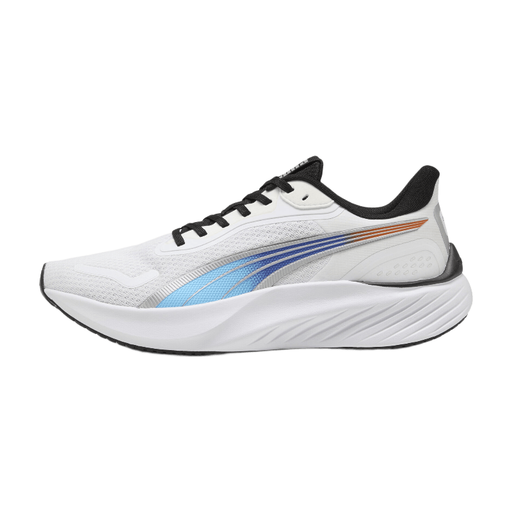
Why it suits this profile: According to the product information, these versatile sports shoes are designed for running, training and everyday wear. That could be useful if you’re looking for one pair for a range of light activities.
The description covers more than just the look: it also mentions weight, fit, fastening and sole material. Check that the support is sufficient for the distances you plan to run.
Lightweight foam according to the product description, a rubber PROTREAD outsole and an upper made with at least 30% recycled materials.
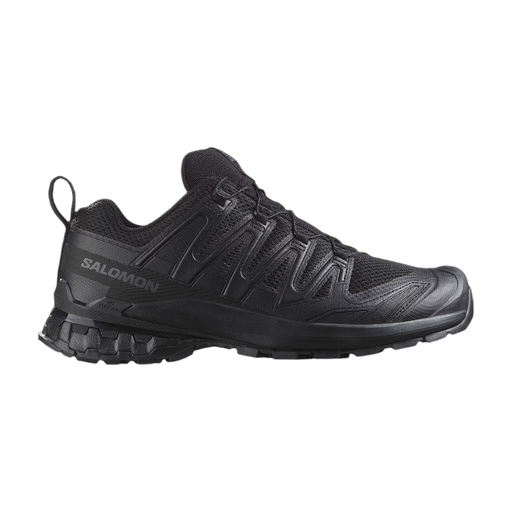
Why it suits this profile: A good option if you’re looking for shoes for trail running and walking, with extra protection in wet conditions.
The choice is based on specific features: GORE-TEX according to the product description, Quicklace, 3D Advanced Chassis and Contagrip rubber. Check that the fixed size is right for your foot.
Water-resistant membrane according to the listing, a treaded sole for different surfaces and an easily adjustable lacing system.
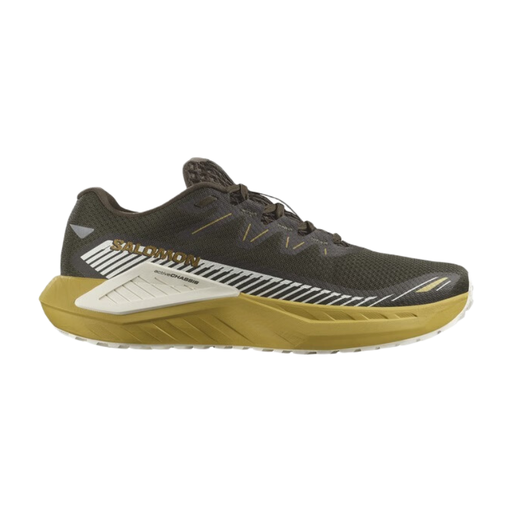
Why it suits this profile: According to the product description, these shoes are aimed at runners and outdoor enthusiasts who cover a mix of gravel and other terrain.
Rather than choosing on brand name alone, you can assess the Active Chassis construction, Energy Foam midsole and All Terrain Contagrip sole individually.
Stability construction, EVA-based Energy Foam and a rubber treaded sole according to the product information.
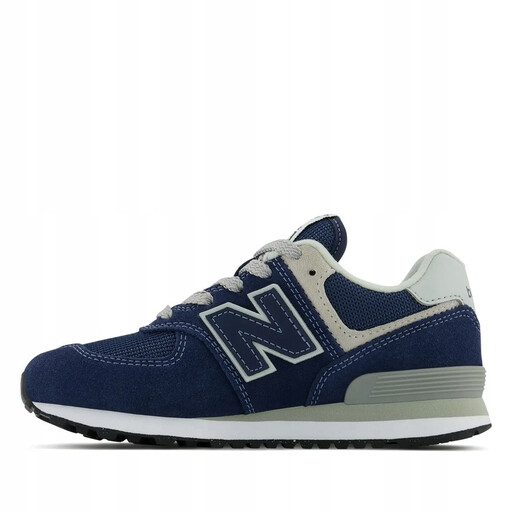
Why it suits this profile: The Velcro fastening and low-cut shape are well suited to school, play and everyday wear. The product page also lets you check the practical combination of suede, synthetic material and mesh.
The size, fastening, sole and materials are clearly listed. This helps you avoid choosing based only on the colour or model name.
Velcro fastening, lightweight EVA midsole and a rubber outsole with tread, according to the product description.
We’ve put together a complete, up-to-date list of products that meet these strict selection criteria and the applicable European safety regulations.
Measure both feet in centimetres and use the size chart for the specific model. Check the fit advice too: some shoes come up true to size, while others are described as coming up larger or smaller. It’s especially important to check the fit of children’s shoes, as their feet are still growing.
Their lifespan depends on how you use them, the terrain, your body weight, how you care for them and the materials they’re made from. Look for visible wear on the tread, tears in the upper or a misshapen midsole. A casual trainer worn every day will also wear differently from a running shoe used several times a week.
According to the product description, a GORE-TEX membrane can help protect against moisture, but how well the shoe performs also depends on its care, seams, tongue construction and the depth of the water. On warm days, a fully waterproof shoe may feel less breathable than a model with open mesh. Choose based on the weather and activity, not just the brand name.
