
Vandaag of morgen in huis

Kwaliteit gegarandeerd

Welkomstaanbiedingen ontgrendelen: GRATIS bezorging | Tot 80% korting | Gratis 30 dagen JoyPlus-proefperiode
Download de app
Buying a new pair of shoes seems straightforward, until a few weeks later you realise the sole is getting slippery, the size isn’t quite right or the material doesn’t cope well with rain. When choosing trainers and sports shoes, it’s not just about colour or brand. Men’s trainers, women’s trainers and children’s trainers are designed for different situations. A casual pair for everyday wear has different requirements from running shoes, trail running shoes or walking shoes.
The product description is a useful starting point, but marketing terms such as “maximum comfort”, “all-terrain” or “waterproof” only tell you so much. Look at the construction, materials and intended use to find out what they really mean.
Lifestyle trainers can be comfortable for walking to school, the office or the supermarket, but they’re not automatically suitable for running. When you exercise, the sole, heel and upper are put under greater strain. Woodland paths also call for different features from tarmac.
So start by thinking about how you’ll use them:
Adidas trainers, Nike trainers, Salomon shoes and New Balance trainers come in a wide range of styles. The fit can vary even between models from the same brand. Check the stated size, foot length in centimetres and the shape of the toe box. A shoe that looks roomy in a photo may feel narrow in reality.
When trying shoes on, check:
It’s a good idea to measure children’s feet again when buying shoes. Children grow quickly, but shoes that are much too big can make it harder for them to stay in control.
A mesh upper is often breathable, but it doesn’t automatically protect you from rain. A membrane such as GORE-TEX may be designed to keep water out, according to the product description, but performance also depends on the seams, tongue construction and care. So check whether the product specifically states that it has a waterproof membrane.
Grip isn’t a one-size-fits-all feature either. Look at:
A flexible rubber sole may be enough for everyday walking. For running, cushioning, fit and stability matter more. Product descriptions sometimes mention a specific midsole, such as EVA, Cloudfoam, Dreamstrike or React. These are material descriptions or brand names; they don’t guarantee that a shoe will be comfortable for every foot.
A soft midsole may feel comfortable, but check stability too. For a beginner, a good fit and an even surface are often more important than a long list of technical terms.
Textile and mesh are generally lightweight and breathable. Synthetic leather and overlays can add structure. Suede can give a casual look, but needs more care when exposed to moisture and dirt. Waterproof shoes are particularly useful for walking, trail running and outdoor activities in changeable weather.
Always follow the care instructions. Many models shouldn’t be put in the washing machine. If the product information says to clean the shoes with a damp cloth, it’s best to let them dry naturally, away from radiators and other direct heat.
Laces offer plenty of room for adjustment. Quicklace systems are handy when you want to make adjustments quickly. Hook-and-loop fastenings can be useful on children’s trainers, making them easier to put on and take off independently. Always check that the size on offer matches the product page. Some models use European half sizes, such as 42 2/3 or 43 1/3.
The options below suit different needs. Their features are based on the product information provided; brand claims about comfort, grip or cushioning aren’t presented here as universal facts.
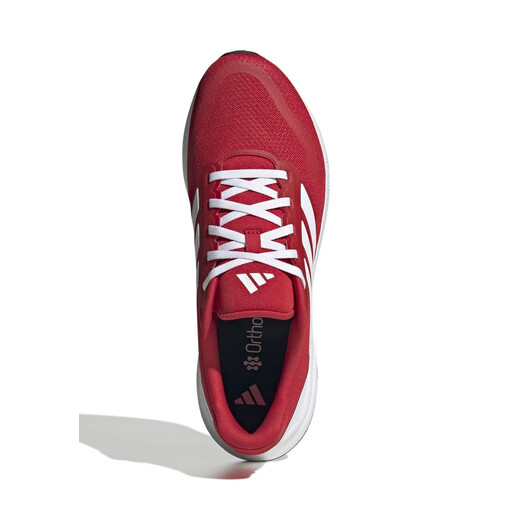
Why it suits this profile: The product description says this model is suitable for everyday running and short distances of 0–10 km. Its mesh construction and lace fastening make it a practical option if you’re looking for your first pair of running shoes.
Its intended use is clearly described, so you don’t have to judge this model on appearance alone. The size and fastening are also clearly specified.
Mesh upper, Cloudfoam midsole, OrthoLite insole and Adiwear rubber outsole, according to the product information.
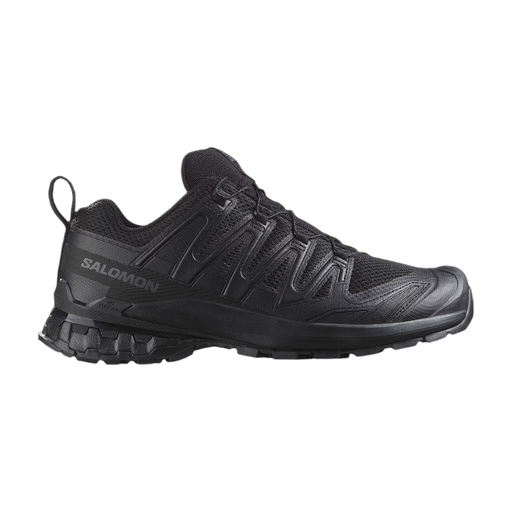
Why it suits this profile: According to the product description, this model is designed for trail running and walking. The combination of GORE-TEX, a 3D Advanced Chassis and a Contagrip outsole is suited to use on wet, uneven paths.
The product information specifies the membrane, outsole and intended use. This makes it easier to compare water resistance and grip than with a general lifestyle trainer.
GORE-TEX membrane, Quicklace system, reinforced toe and heel, and Contagrip rubber outsole, according to the product listing.
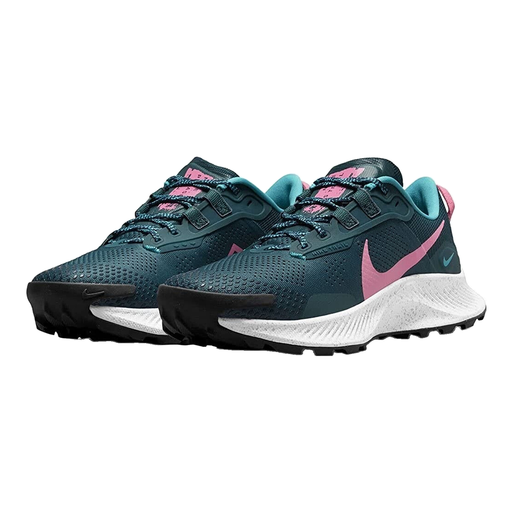
Why it suits this profile: The listed features are designed for a mix of trail running, city use and outdoor activities. This suits people who regularly switch between tarmac and off-road paths.
The product description gives details about the terrain, protection and tread pattern. This helps you avoid wearing a flat casual sole on rougher ground.
React midsole, mesh upper, reinforced toe and heel, and rubber outsole with multidirectional lugs, according to the product description.
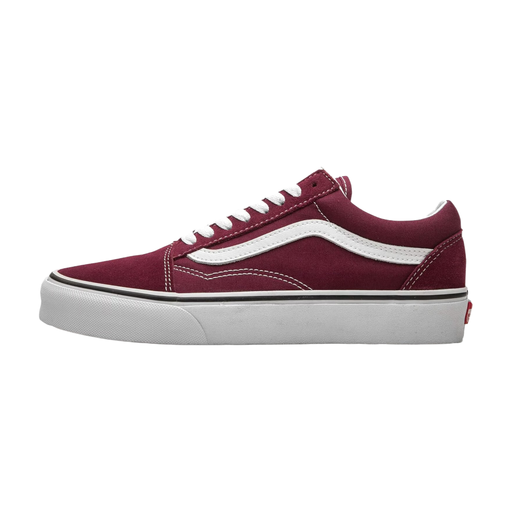
Why it suits this profile: According to the product information, these low-top trainers are designed for everyday wear, walking and work. The textile upper and rubber sole suit a versatile city routine.
This model isn’t marketed as a running shoe, so it’s clearer what the sole and construction are and aren’t designed for.
Textile upper, rubber sole and a low-top shape that’s easy to wear with a range of outfits.
We’ve put together a complete, up-to-date list of products that meet these strict selection criteria and current European safety regulations.
Their lifespan depends on how often you wear them, your body weight, the surface, care and storage. A pair worn every day will wear out faster than shoes you rotate with other pairs. Replace your shoes when the tread is noticeably smooth, the sole wears unevenly or the cushioning and fit noticeably change. Check the seams and upper for damage too.
It depends on the model. Many product descriptions recommend cleaning with a damp cloth and leaving the shoes to dry naturally. Some children’s trainers specify a gentle, cold wash cycle. Always follow the care label, and avoid bleach, high temperatures and tumble drying unless expressly permitted.
Measure both feet at the end of the day and use the longer measurement. Compare it with the size chart for the specific model. Look out for European half sizes and check whether the chart gives foot lengths in centimetres. Also read the returns policy before ordering, especially if you’re between sizes.
