
Vandaag of morgen in huis

Kwaliteit gegarandeerd

Welkomstaanbiedingen ontgrendelen: GRATIS bezorging | Tot 80% korting | Gratis 30 dagen JoyPlus-proefperiode
Download de app
Buying new trainers and sports shoes seems straightforward until you have to choose between running shoes, women’s trainers, men’s trainers, children’s trainers or shoes for a specific sport. A stylish appearance says little about the fit, and a well-known brand name does not guarantee that a model is suitable for how you intend to use it.
The following points will help you compare more effectively and avoid unsuitable purchases.
A trainer for everyday use is not automatically suitable for running or basketball. Running shoes are generally designed around cushioning, flexibility and a particular type of surface. Basketball shoes focus more on stability during sideways movements. Lacrosse shoes with FG studs are intended for natural grass and can be awkward on asphalt.
So start by considering the activity, then look at colour or brand. Nike trainers, New Balance trainers and Converse trainers may fall under the same broad search category, but they have different usage profiles.
Words such as “ultralight”, “maximum grip” and “superior comfort” are difficult to assess without technical context. Instead, check:
According to adidas’s own information, for example, the Runfalcon 5 features a Cloudfoam midsole, an Adiwear outsole and an OrthoLite sockliner. These are verifiable product details; how comfortable the shoe feels will still depend on your foot shape and how you use it.
An EU size does not feel the same in every model. The width of the last, the shape of the toe box and the amount of room around the heel all affect the fit. Measure both feet at the end of the day and compare the foot length with the size chart on the product page. When running or trail running, a little extra room around the toes can be useful, whereas a basketball shoe should fit securely.
The midsole largely determines how the shoe feels underfoot. EVA foam is often used to provide low weight and cushioning. Other models use brand-specific materials, such as React in certain Nike running shoes, ABZORB in New Balance trainers or Cloudfoam in adidas running shoes.
Consider the shoe’s intended purpose:
A flat rubber tread is usually better suited to urban use than a deep trail sole. For wet paths, mud and loose surfaces, a pronounced lug pattern is more useful. According to the product description, the Salomon Speedcross 5 GTX W has a Contagrip TA outsole with deep grooves and a GORE-TEX membrane. On paper, this makes the model suitable for soft or mixed terrain, but it is still important to maintain the shoes properly.
For lacrosse, the type of studs is particularly important. The Nike Huarache 9 Varsity Lax FG uses an FG configuration which, according to the product information, is intended for natural grass. Do not use shoes like these as general walking shoes on hard surfaces.
Mesh can provide ventilation, while synthetic overlays can add extra structure. Leather, suede and canvas each have a different appearance and care requirements. A hook-and-loop fastening can be useful for children’s trainers, while laces allow for more precise adjustment.
Also check the care instructions. Some models should only be cleaned with a damp cloth. Machine washing, bleach or a tumble dryer can damage the glue, shape or materials.
The selection below matches different models with recognisable purchasing profiles. The features listed are based on the product information provided; fit and feel may vary from person to person.
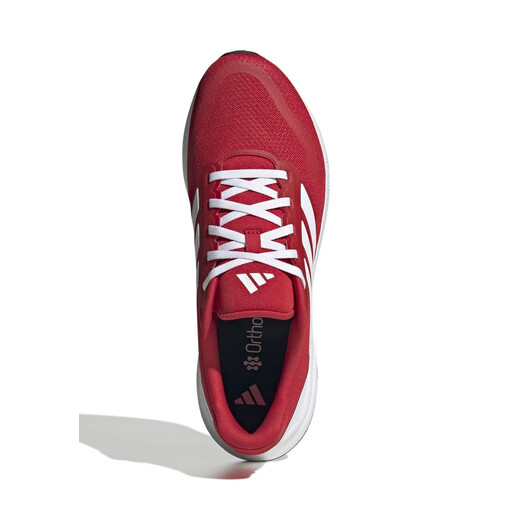
Why this suits the profile: This model is designed for road training and short distances, but it can also work for everyday use when you are looking for a sporty, lightweight sports shoe.
The product information specifically mentions a mesh upper, Cloudfoam midsole and Adiwear outsole, rather than making only general comfort claims.
Mesh for ventilation, an OrthoLite sockliner and a stated EU 42 2/3 size with a specified foot length of 26.7 cm.
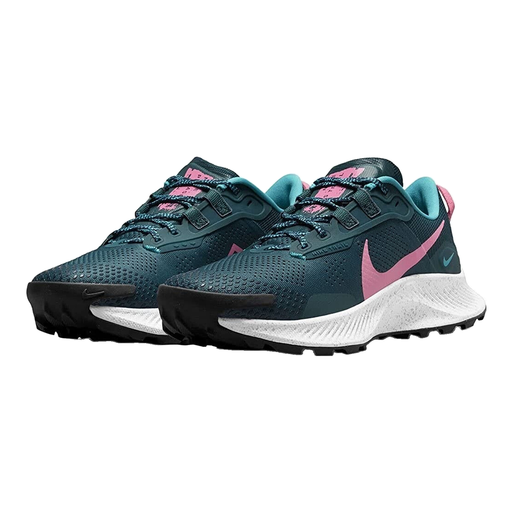
Why this suits the profile: An option for anyone switching between urban roads, outdoor paths and recreational trail running who wants one versatile model.
The outsole is described as having multidirectional lugs. This makes it clearer which surfaces the shoe is intended for.
React foam in the midsole, mesh with synthetic sections and reinforcement around the toe and heel, according to the product description.
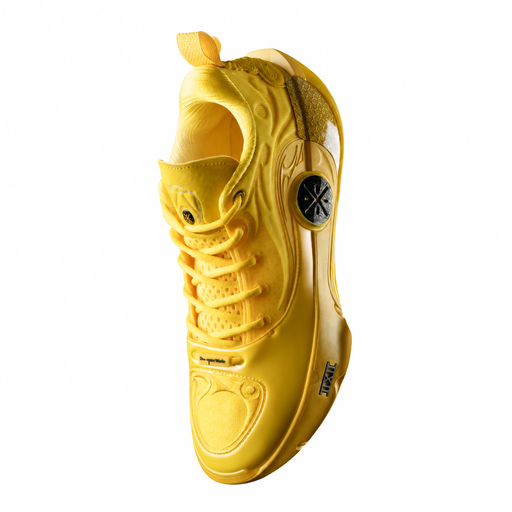
Why this suits the profile: This model is specifically designed for basketball and suits players looking for a shoe for indoor or outdoor use, rather than general walking.
The product name and description mention basketball use, a GCU rubber sole and a carbon plate. This clearly defines the shoe’s intended use.
Dual-layer SUPER BOOM midsole, rubber GCU outsole and TPEE toe box, according to the stated product specifications.
We have compiled a complete, up-to-date list of products that fully meet these strict selection criteria and the applicable European safety regulations.
That depends on use, surface, body weight, maintenance and materials. A pair for everyday use may last longer than running shoes worn several times a week. Look out for wear on the tread, tears in the upper and a midsole that has visibly compressed. Once there is clear wear, the original fit and grip will deteriorate.
You can for gentle everyday use, but appearance and construction are not the only considerations. Running shoes often have more cushioning and a different tread pattern from a lifestyle model. That can be comfortable for short walks or commuting; for intensive indoor sports, running shoes are generally not the most logical choice.
No. Comfort mainly depends on fit, width, cushioning, weight and the shoe’s intended purpose. A canvas Converse trainer, a New Balance trainer with ABZORB cushioning and a Salomon trail running shoe will all feel different. Compare the technical specifications with how you intend to use the shoes, and check the size carefully before buying.
