
Vandaag of morgen in huis

Kwaliteit gegarandeerd

Welkomstaanbiedingen ontgrendelen: GRATIS bezorging | Tot 80% korting | Gratis 30 dagen JoyPlus-proefperiode
Download de app
A pair of trainers or running shoes might look great online, but that tells you little about how comfortable they’ll feel after a long day at work, a walk or a training session. Many shoppers focus mainly on colour, brand and discounts, overlooking important differences in fit, sole and materials.
Look out for these common pitfalls:
Measure both feet at the end of the day, when they often take up a little more room. Use the longer measurement and compare it with the model’s size chart. Also pay attention to the width and shape of the last.
A regular fit may suit many feet, while a slim-fit design is more likely to be intended for narrower feet. With running shoes, it’s a good idea to leave some room around your toes so your foot doesn’t hit the front as you move. Too much room, on the other hand, can cause your foot to slide and lead to blisters.
Check the fit information too:
For everyday wear and longer walks, breathable trainers are often more practical than fully enclosed synthetic styles. Mesh or textile can promote airflow and keep the weight down. However, open mesh offers less protection from rain, mud and sharp branches.
So consider the material in relation to how you’ll use the shoes:
According to the relevant brands’ product information, various models feature textile mesh, synthetic reinforcements or a rubber outsole. These are verifiable features; claims such as “extra fresh” or “perfect comfort” aren’t a guarantee that they’ll suit every foot.
Cushioned shoes can feel comfortable for everyday activity and running, but the amount of cushioning you want depends on what you’ll be doing and your personal preference. A soft midsole feels different from a firmer, more stable model. Look out for details about the construction, such as EVA foam, Dreamstrike foam or a Memory Foam insole.
The outsole is just as important:
A rubber outsole is useful on wet streets in the Netherlands, but no shoe can make slippery surfaces risk-free. Wear, dirt and rain can all affect grip too.
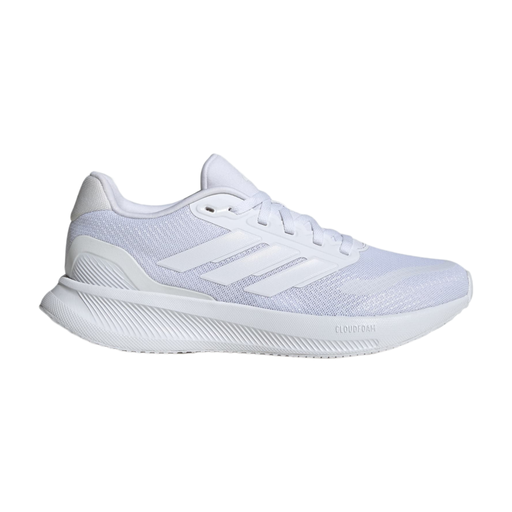
Why it suits this profile: This model is designed for everyday comfort, light training and an active lifestyle. Its simple white design also goes well with casual clothes.
The product information lists an engineered mesh upper, a flexible outsole and responsive cushioning. Be sure to check the size against the stated foot length.
Mesh upper, lightweight construction, flexible sole and EU size 38 in the version shown.
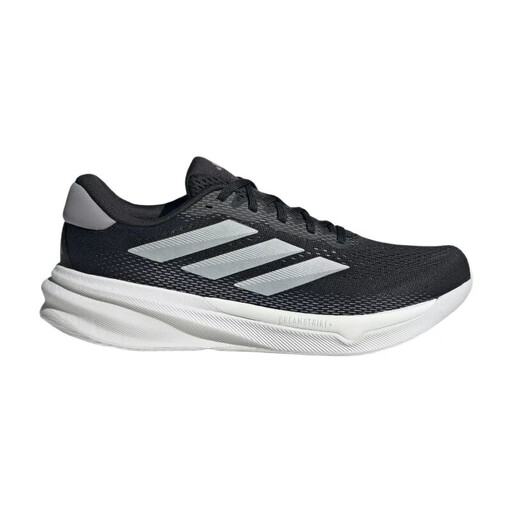
Why it suits this profile: An option for anyone specifically looking for men’s running shoes for longer training sessions on paved surfaces.
Its features are clearly specified: a mesh upper, Dreamstrike+ and EVA midsole, and Adiwear rubber outsole.
Breathable mesh, hybrid midsole, rubber outsole and at least 20% recycled and renewable materials, according to the product description.

Why it suits this profile: According to the product information, these unisex running shoes are designed for switching between city streets and trail paths.
Rather than simply describing them as “lightweight”, the product description specifies a sandwich mesh upper, EVA midsole and ROCKYTEC rubber outsole. Check whether the version you choose has a regular or slim fit.
Breathable upper, high-elastic EVA foam, durable material and a sole designed for different surfaces. The version shown is EU 42.
We’ve put together a full, up-to-date list of products that meet these strict selection criteria and the applicable European safety regulations.
It depends on how often you use them, the surface you wear them on, your body weight, how well you care for them and the materials they’re made from. Check the tread, the sole for cracks and the midsole for signs of compression regularly. A shoe can still look in good condition but offer less support if the cushioning has noticeably changed.
They’re often fine for short walks and everyday use, as long as they fit comfortably and the sole is suited to the surface. For long walks, wet woodland paths or hilly terrain, walking shoes or trail running shoes with an appropriate tread are generally a better choice. Don’t just look at the label: consider the tread pattern, stability and protection.
The costs are usually minimal. Remove dirt with a soft brush or damp cloth, use mild soap if the product information says it’s suitable, and leave your shoes to air-dry. Avoid bleach, direct heat and a tumble dryer unless the manufacturer explicitly says they’re safe to use. Good care helps keep materials in use for longer, but it won’t prevent normal wear and tear.
