
Vandaag of morgen in huis

Kwaliteit gegarandeerd

Welkomstaanbiedingen ontgrendelen: GRATIS bezorging | Tot 80% korting | Gratis 30 dagen JoyPlus-proefperiode
Download de app
A pair of shoes may look appealing online and still not suit the way you use them every day. This applies to women’s trainers, men’s trainers and sports shoes for running, walking or training. A low price or familiar logo tells you little about the fit, cushioning and grip you actually need.
The main buying pitfalls are:
Measure your foot at the end of the day, preferably while wearing the socks you will use with the shoes. Compare the measurement with the size chart for the specific model. Look for:
Some PELLIOT running shoes are available in standard and narrow versions. For certain models, the product information gives foot lengths of 260 mm for EU 42 and 270 mm for EU 44, for example. Always use the chart on the product page, as size conversions between EU, UK and US sizes may vary.
For short runs on tarmac, lightweight running shoes with a breathable mesh upper are often practical. According to the product description, the adidas Runfalcon 5 uses a Cloudfoam midsole, an Ortholite sockliner and an Adiwear outsole. The model is intended for road use and distances of 0 to 10 km, according to the listed product specifications.
A heavier trainer may feel stable, but that does not automatically make it more suitable for running. For everyday use, a padded insole may be more important than maximum energy return. The Skechers Burns 52635 BBK, for example, has a non-removable Memory Foam insole, mesh inserts and a flexible rubber outsole.
Also pay attention to the difference between manufacturers’ language and verifiable features. If a brand mentions a particular level of comfort, shock absorption or energy return, present it as a claim from the product information. The materials, sole construction and fit are the tangible points you can compare.
Choose the sole based on the surface:
According to the product description, the Salomon DRX DEFY GRVL features Active Chassis, Energy Foam and an All Terrain Contagrip outsole. Based on its description, this combination is suited to gravel paths, walking and mixed terrain. That does not mean every user will have the same experience; the surface, running style and fit remain decisive.
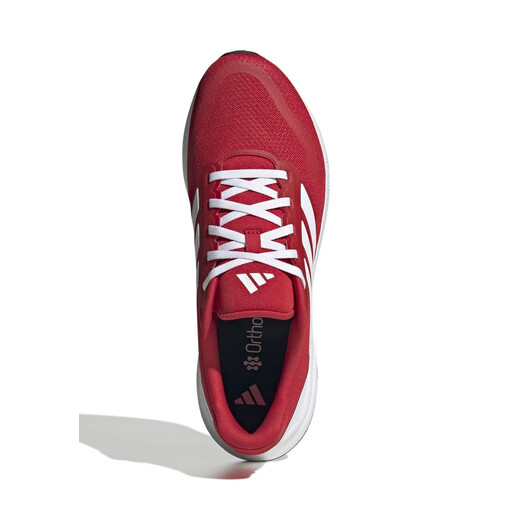
Why it suits this profile: A practical choice for anyone starting to run on the road and looking for one pair of sports shoes for short runs and everyday activity.
The product information states that it is intended for road training and distances of 0–10 km. However, check the specific size and foot length before ordering.
Mesh upper, Cloudfoam midsole, Ortholite sockliner and Adiwear outsole according to the product specifications.
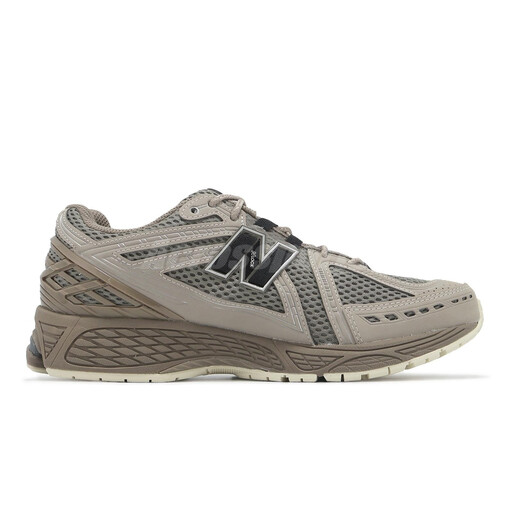
Why it suits this profile: Ideal for anyone who wants to combine a retro running-shoe look with a trainer for training and everyday use.
The product specifications mention mesh and synthetic material, a rubber sole and a lace-up fastening. This lets you assess the model based on its construction rather than appearance alone.
ABZORB midsole, Stability Web technology and breathable mesh according to New Balance’s product description.
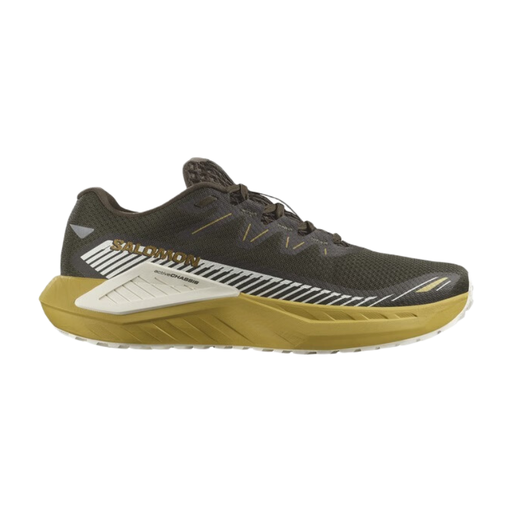
Why it suits this profile: Designed for users who combine running, walking or trail running on gravel and other mixed surfaces.
The All Terrain Contagrip outsole and mesh upper are specifically stated for mixed terrain. Do not choose this model based on the brand alone; check that it suits your route.
Active Chassis, Energy Foam and a rubber All Terrain Contagrip outsole according to the product information.
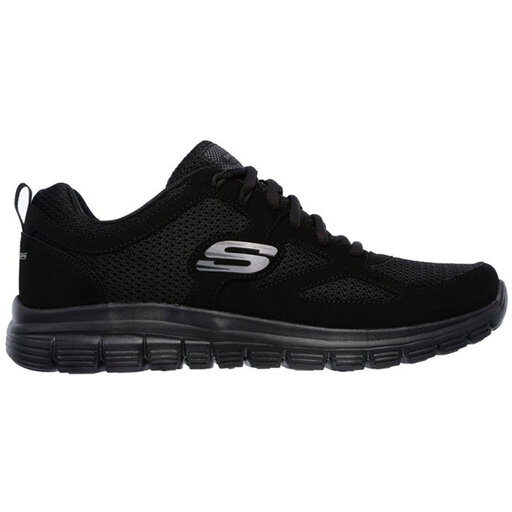
Why it suits this profile: A low-profile black trainer for men who mainly want a versatile pair for commuting, shopping and casual clothing.
The product page lists mesh inserts, a non-removable Memory Foam insole and a rubber sole. This makes the ventilation, insole and sole material clear in advance.
Synthetic leather upper, mesh, rubber outsole and a lace-up fastening with heel loop according to the product specifications.
We have put together a complete, up-to-date list of products that fully meet these strict selection criteria and the applicable European safety regulations.
Lifespan depends on use, body weight, surface, maintenance and the shoe’s construction. Look for wear on the sole tread, cracks in the upper and a midsole that has visibly compressed. Someone who walks every day may notice wear sooner than someone who wears the same pair occasionally. Allow shoes to dry naturally after a wet walk and, where possible, alternate between two pairs.
For a short, gentle training session, a supportive trainer may sometimes feel adequate, but a casual model is not automatically designed for repeated running movements. Compare the sole flexibility, cushioning, fit and intended use. For running on tarmac, running shoes are usually the more logical choice; for paths with stones or mud, trail shoes with a deeper tread are more suitable.
No. Comfort is personal and depends mainly on the shape and width of your foot, the cushioning and the surface. An expensive model may have features you do not need, while a simpler model may be a better match for short runs in the city. Check the product specifications and size chart first, then consider the brand or price.
