
Vandaag of morgen in huis

Kwaliteit gegarandeerd

Welkomstaanbiedingen ontgrendelen: GRATIS bezorging | Tot 80% korting | Gratis 30 dagen JoyPlus-proefperiode
Download de app
Trainers come in many styles, from low-top casual trainers and leather trainers to high-tops, sports shoes and children’s trainers. But a familiar brand name doesn’t automatically mean a pair will suit your feet or how you plan to use them. Shoes for school and play need different features from a pair for commuting, walking or a sporty outfit.
This guide helps you compare trainers using practical, verifiable details. That way, you can avoid paying mainly for looks, ordering the wrong size or choosing a style that doesn’t suit your everyday needs.
Nike, adidas, PUMA, Skechers, Converse and Vans trainers all have different lasts and sizing advice. A style that fits one person well may feel too narrow, too roomy or too stiff on someone else’s foot.
So don’t look at the brand name alone. Always check:
Trainers are often promoted as comfortable using vague claims. Instead, check which features are actually listed. These might include a padded collar, a removable or fixed insole, a cushioned midsole or a flexible rubber outsole.
According to some brands’ product information, features such as Memory Foam, SOFTFOAM+ or Nike Air may contribute to a particular feel. These are brand or product claims, not a guarantee that everyone will have the same experience. Also consider the difference between everyday wear and the demands of intense sports.
A synthetic upper generally needs different care from suede, leather, textile or canvas. Some styles must not be machine-washed, while other product information may recommend a gentle wash cycle. Cleaning them incorrectly can damage their shape, colour or bonded construction.
Before buying, check:
Getting the right size starts with measuring your foot. It’s best to do this at the end of the day, when your feet may have expanded slightly. Compare your measurement with the size chart for the specific style; EU sizes aren’t identical across every brand.
Also consider the fastening:
Growing room matters for children, but a shoe that’s too roomy may feel less stable when running and playing. High-top trainers offer extra coverage around the ankle, but that doesn’t automatically make them suitable for sports.
Leather, suede, synthetic materials, mesh, textile and canvas all have different properties. A mesh panel may make the upper more breathable, according to the product description. Leather and suede usually need more careful maintenance. Synthetic materials are often easier to wipe clean, but they don’t always feel the same as textile.
Check the lining too. A textile lining can affect how the shoes feel, while a padded collar adds extra material around the ankle.
A rubber outsole with tread is useful if you spend a lot of time walking outdoors. A flat sole may suit casual wear, but it’s not the same as a sole designed for sports. Check:
Don’t assume lifestyle trainers are suitable for intense running sessions. For school, work, shopping, walking and casual occasions, different features matter than they do for a specific sporting activity.
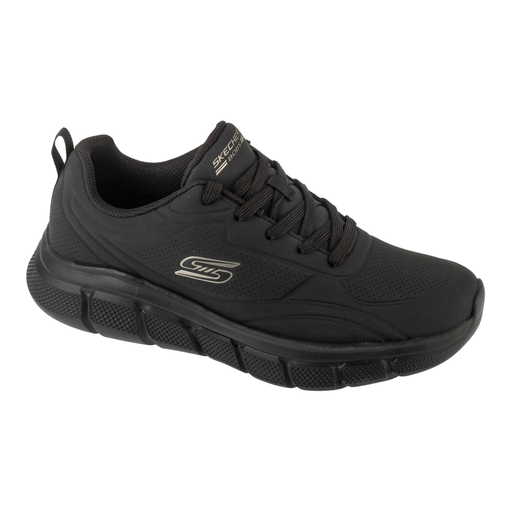
Why it suits this buyer: A low-profile slip-on for anyone who wants an easy everyday option without laces. The black colour works with casual and sporty outfits.
The product information specifies the upper, sole and textile lining. This lets you compare materials and care requirements instead of choosing on style alone.
Slip-on fastening, synthetic upper and a sole height of 3.5 cm, according to the product description.
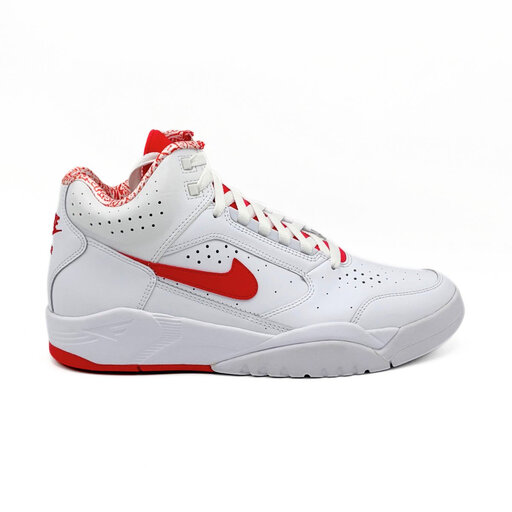
Why it suits this buyer: A mid-top style for anyone who values leather, a padded collar and a distinctive retro look for everyday wear.
The materials and construction are specified: leather upper, foam midsole, rubber outsole and perforations. Check the care instructions on the label too.
Mid-top design, leather upper and rubber outsole; Nike also lists an Air unit in the product description.
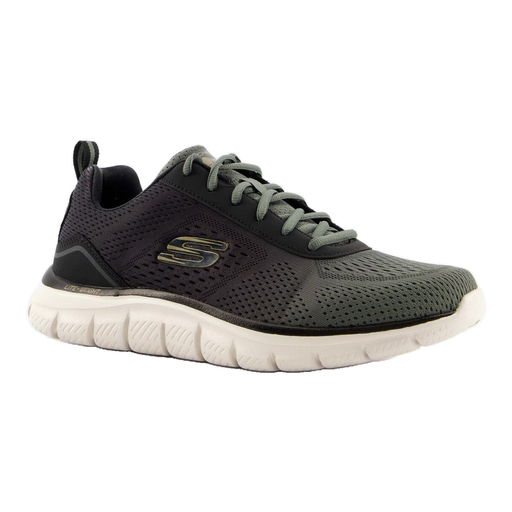
Why it suits this buyer: Designed for everyday walking and sporty casual outfits. The combination of laces, mesh panels and a treaded sole suits anyone looking for a secure fit and good grip.
The product information lists the fit, D shoe width, lace fastening and outsole. This makes it easier to judge whether the style suits your feet and how you plan to use it.
Lace fastening, mesh panels, rubber sole and a fixed insole with Memory Foam, according to the product description.
We’ve put together a complete, up-to-date list of products that meet these strict selection criteria and the applicable European safety regulations.
Their lifespan depends on how often you wear them, the surfaces you walk on, your body weight, the materials and how well you care for them. Check the soles for smooth patches, cracks and peeling sections. An upper that has permanently lost its shape or a compressed insole may also be a sign that it’s time for a new pair. There’s no set lifespan that applies to every pair of trainers.
It depends on the sport. Casual trainers and lifestyle styles are designed for everyday wear and light activities. For running, indoor training or intensive team sports, you’ll need a style made specifically for those demands. Check the cushioning, stability, grip and product description before using a pair for sport.
Always follow the brand’s care advice. Many styles can be wiped clean with a soft, damp cloth. Machine-washing isn’t generally recommended, especially for leather, suede, lightweight constructions or shoes with built-in lights. Leave trainers to air-dry, away from radiators and strong direct sunlight.
