
Vandaag of morgen in huis

Kwaliteit gegarandeerd

Welkomstaanbiedingen ontgrendelen: GRATIS bezorging | Tot 80% korting | Gratis 30 dagen JoyPlus-proefperiode
Download de app
Buying a pair of trainers seems simple, until a few weeks later you find they don’t fit well, the materials are wearing out quickly or the sole offers little grip. When choosing men’s and women’s trainers, it’s not just about colour and brand. Consider the materials, construction and how you plan to wear them, too.
Marketing copy often uses phrases such as “all-day comfort” or “performance”. These claims don’t automatically guarantee that a shoe will suit your feet or how you plan to use it. Always check the specific product details.
A slim retro shape may look stylish, but it can leave less room around the forefoot. A rounded toe, regular fit and the right size matter more than looks alone. If you’re unsure, check the size guide in centimetres and compare it with a well-fitting pair you already own.
“Leather trainers” can be made from different types of leather, while parts of the lining, midsole or outer may use other materials. For example, the PUMA Speedcat OG Black-White is listed as having an upper made from 97% leather and 3% textile, a synthetic midsole and a rubber outsole. That’s more specific than simply calling it a “leather shoe”.
Suede trainers, such as certain New Balance and Vans models, also need different care from smooth leather. Suede can be more susceptible to moisture and stains.
Casual and lifestyle trainers work well with many everyday outfits, for walking and for commuting, but they aren’t necessarily designed for intensive running. Check that the product description specifically mentions a suitable construction, cushioning and sole for your activity. For gym workouts, a stable rubber sole may matter more than a distinctive retro look.
The upper affects how a trainer feels, how breathable it is and how it should be cared for.
Also check the product information for animal-derived materials. The Vans Hylane states that the model contains non-textile parts of animal origin.
A rubber outsole is a common choice for trainers that need grip and durability. New Balance U574 models list a rubber outsole and a cushioned midsole. The U574BCE also specifies ENCAP cushioning in the midsole. The product description says this construction is designed to provide support and absorb shock; this is a product specification, not a medical claim.
The PUMA Speedcat OG has a flat heel, an IMEVA midsole and a rubber outsole. This gives the model a low-profile, streamlined look. The Vans Authentic has a simpler construction and focuses on a recognisable, canvas-style casual look.
Don’t choose blindly based on whether a shoe is labelled “men’s” or “women’s”. Many models are suitable as unisex trainers, but the fit can vary between brands and models.
Check:
The product information for the PUMA Speedcat OG recommends choosing your usual size. The New Balance U574SOB is also listed as “true to size” for the available size. Use this as a starting point, not as a substitute for checking the size guide.
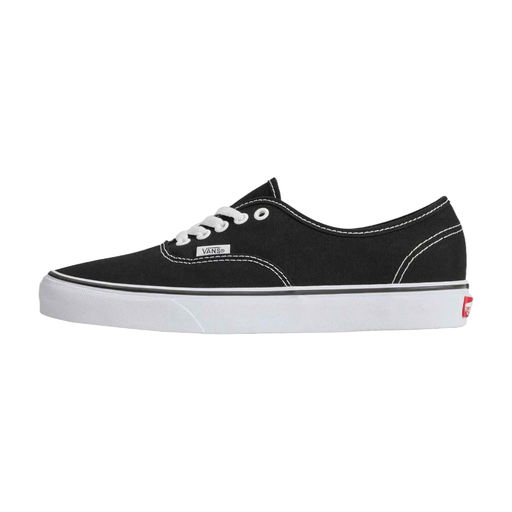
Why it suits this profile: The low-cut black design is easy to pair with jeans, shorts and streetwear. The product specifications list textile for the upper and lining, and rubber for the sole.
The materials are clearly specified. Don’t expect a specialist running shoe; this is a casual model for everyday wear and walking.
A recognisable Vans design, textile construction and rubber sole make this a versatile casual trainer.
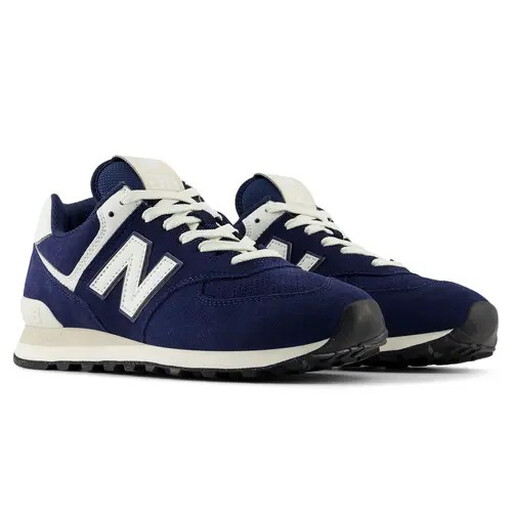
Why it suits this profile: According to the product specifications, this retro trainer combines suede, mesh, ENCAP midsole cushioning and a rubber outsole. It’s a good match for anyone weighing up style alongside specific construction features.
The description covers more than just comfort: it also names the materials and sole. Bear in mind that suede needs careful maintenance.
Suede and mesh, an ENCAP midsole and a rubber sole; ideal for casual and sporty outfits.
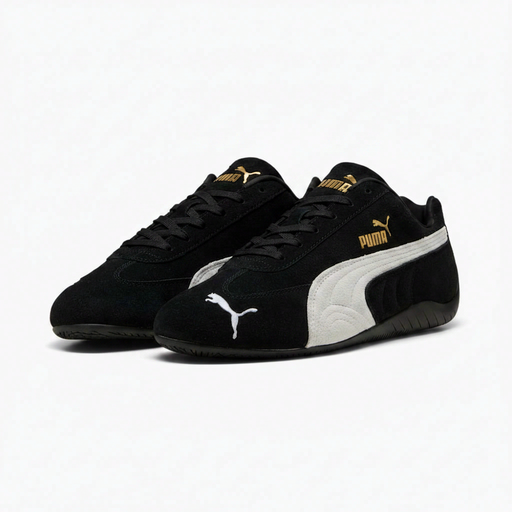
Why it suits this profile: The low-profile shape, flat heel and rubber outsole make this a streamlined lifestyle trainer for everyday wear and light, non-specialist activities.
The product information lists the fit, materials, midsole and outsole. Don’t automatically use this model as a running shoe: the construction described is designed primarily for a low-profile lifestyle look.
A lightweight-feeling IMEVA midsole according to the product description, a leather upper and a grippy rubber sole.
We’ve put together a full, up-to-date list of products that meet these strict selection criteria and current European safety regulations.
How long trainers last depends on their materials, how often you wear them, the demands you place on them and how well you care for them. A pair worn every day in rain and dirt will wear differently from trainers you rotate with other pairs.
New Balance advises against machine washing, bleach, tumble drying and ironing several 574 models. If they’re heavily soiled, cleaning them by hand in line with the care label is the safer option.
For everyday wear, models with a regular fit, a comfortable midsole and a rubber outsole are practical choices. New Balance 574 trainers, Vans trainers and PUMA lifestyle models can work with a range of outfits. Do consider how far you walk and the surfaces you’ll be walking on.
It depends on the materials and how you use them. Trainers worn intensively every day may show signs of wear sooner than pairs you rotate. A worn tread, a sole that’s coming away or a heel that’s permanently misshapen are signs that it may be time for a new pair. Good care can help them look and perform well for longer, but it won’t prevent normal wear and tear.
A unisex label mainly describes the intended audience and design; it doesn’t mean that every foot will fit the same way. Check the EU size, the length in centimetres, the width of the forefoot and the model’s specific size guide. This can help you avoid disappointment when choosing trainers for women or men.
