
Vandaag of morgen in huis

Kwaliteit gegarandeerd

Welkomstaanbiedingen ontgrendelen: GRATIS bezorging | Tot 80% korting | Gratis 30 dagen JoyPlus-proefperiode
Download de app
Choosing a new pair of trainers online can seem straightforward. But a familiar brand name, an appealing colour and a discount aren’t enough to tell you whether a style is right for you. A low-profile lifestyle trainer might be comfortable for a shopping trip, but unsuitable for running. A leather trainer may look sturdy, while a mesh style could offer better ventilation.
The most common pitfalls:
Start with the size guide for the specific product. Don’t just look at EU 37, 38 or 42; check the stated foot length in centimetres or millimetres too. A difference of a few millimetres can be noticeable in a narrow-fitting shoe.
Look out for these points:
Women’s, men’s and unisex trainers can have different sizing or fits. Use the product page as your guide, rather than relying only on your usual size.
The upper has a big impact on how a shoe feels and how easy it is to care for.
Colour is another factor. White trainers are easy to wear with jeans and summer clothes, but show dirt more quickly. Black trainers are more practical for everyday use. For leather styles, treating the upper with a protective spray in line with the care instructions can help keep it looking its best for longer.
Check that the sole suits the activity you have in mind. A flat rubber outsole can be comfortable for everyday wear and provide grip on paved surfaces. For running, factors such as weight, cushioning, flexibility and fit matter more than a fashionable shape.
According to the PELLIOT running shoe product description, the midsole is made from flexible EVA foam and the outsole is designed to provide grip on different surfaces. This type of style is a more logical choice for walks, trail-style routes and sporting activities than a flat lifestyle trainer. These are stated product specifications; they don’t guarantee that a shoe will suit every foot or surface.
Check the care instructions too. Several styles aren’t suitable for machine washing. After wearing shoes in damp conditions, it’s best to let them air-dry away from direct heat.
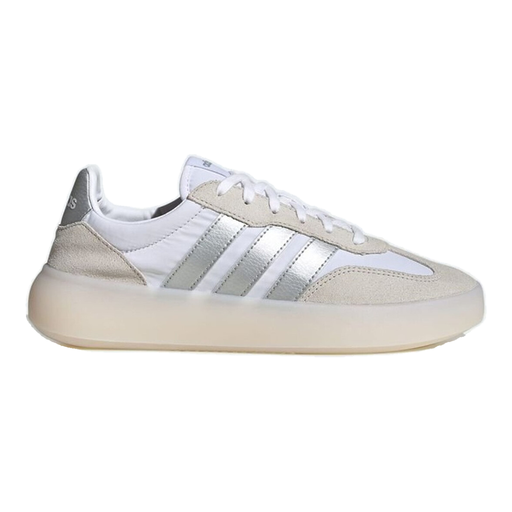
Why it suits this profile: A versatile style for everyday wear, commuting and casual outfits. The combination of mesh and synthetic leather suits shoppers looking for one pair to wear on different occasions.
The product description specifies both the upper and sole, as well as an exact size. So you don’t have to judge it by the photo or colour alone.
Mesh textile, synthetic leather, textile lining and a grippy sole, according to the product specifications.
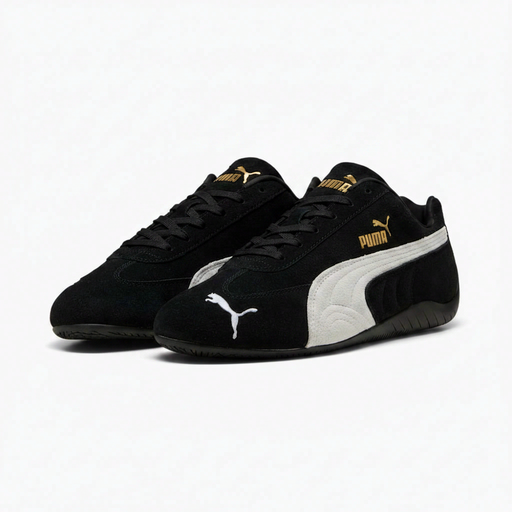
Why it suits this profile: For anyone looking to pair a sleek streetwear look with leather, a low-profile fit and a distinctive design for everyday wear.
This style isn’t presented as a running shoe. The flat heel, leather upper and rubber outsole make its intended use clearer: casual and lifestyle wear.
Leather upper, IMEVA midsole according to the product description, and rubber outsole with lace-up fastening.
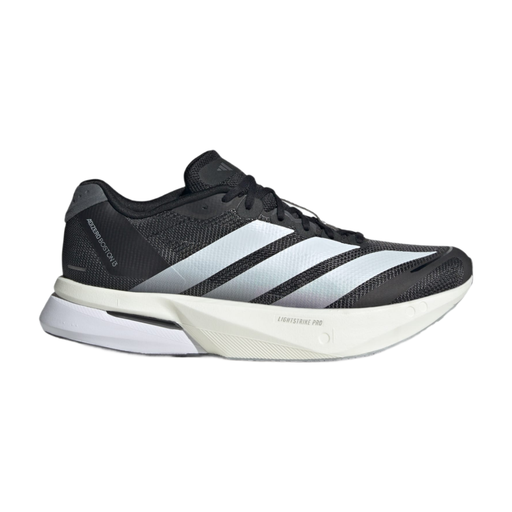
Why it suits this profile: Designed for runners looking for a dedicated running shoe for training or races, rather than an all-purpose trainer for everyday wear.
The product information specifies a technical mesh upper, Lightstrike Pro midsole and Energy Rods. This makes its intended use clearer than that of a purely fashion-led trainer.
Technical mesh, Lightstrike Pro foam and Continental rubber are listed as product specifications.
White and black trainers make a practical neutral base. A low-profile style such as the Converse Star Player works with jeans, chinos and casual dresses. According to the product description, the Nike Dunk Low is made with leather and textile and has a padded collar and rubber outsole. This type of style is suited to streetwear and everyday wear, but that doesn’t automatically make it suitable for running.
If you’re after a retro look, consider the New Balance 574. The combination of suede and mesh feels different from an all-leather trainer. For a lighter, more breathable pair, Skechers trainers made with textile and mesh are one option. Always check the stated fit and sole height.
We’ve put together a complete, up-to-date list of products that meet these strict selection criteria and the current European safety regulations.
Their lifespan depends on use, body weight, surface, material and care. Daily wear will wear down the outsole faster than occasional use. With running shoes, it’s worth checking the tread, seams and cushioning for signs of wear, rather than judging by the age of the shoes alone.
Only if the style is designed for it and the product information supports this. Casual trainers, lifestyle trainers and flat leather styles may lack features that matter for running, such as suitable cushioning, flexibility and a good fit. If you train regularly, it’s better to choose a style sold as a running shoe.
Always follow the care label or the instructions on the product page. Many styles can be cleaned with a damp cloth and mild soap, then left to air-dry. Don’t put them in the washing machine unless this is explicitly permitted. For leather trainers, treatment with a protective spray may be recommended in line with the instructions; test any care products on an inconspicuous area first.
