
Vandaag of morgen in huis

Kwaliteit gegarandeerd

Welkomstaanbiedingen ontgrendelen: GRATIS bezorging | Tot 80% korting | Gratis 30 dagen JoyPlus-proefperiode
Download de app
Choosing a new pair of trainers might seem straightforward, but an attractive photo tells you little about fit, materials or how they’re intended to be used. A low price, for example, may come with a fixed insole that doesn’t suit your foot. And a model described as a sports shoe isn’t automatically suitable for intensive running.
When comparing trainers, watch out for these three common pitfalls:
Look beyond categories such as men’s trainers, women’s trainers or children’s trainers. Important details include:
Laces generally let you adjust a shoe more closely around your foot than a slip-on style. For children, a combination of elastic and hook-and-loop fastening can be practical. When buying online, it’s a good idea to measure your foot while wearing the socks you’d normally wear with trainers.
The materials affect how a pair feels and how you care for it. Textile and mesh can help with ventilation, according to the product description, while synthetic leather or leather creates a more enclosed look. Check the lining too: a textile lining can feel comfortable for everyday wear, but may need extra time to dry after getting wet in the rain.
Check the care instructions. Several models in this selection should only be cleaned with a damp cloth. A shoe that isn’t machine washable needs more hands-on care than a model with machine-washing instructions.
The sole often consists of several parts:
According to adidas’s own product information, the Runfalcon 5 has a Cloudfoam midsole, an Ortholite insole and an Adiwear outsole. The brand positions this model for road running and distances of 0 to 10 km. This is the manufacturer’s product specification and recommended use, not a guarantee that the model is right for every runner.
For everyday wear, black trainers such as the Skechers Track-Ripkent or a black adidas model are easy to style. For a retro look, the adidas Run 70s 2.0 is a better fit. The Puma Speedcat’s low, flat shape makes it particularly appealing for casual outfits; if you plan to use it for sport, check that the sole and support suit your activity.
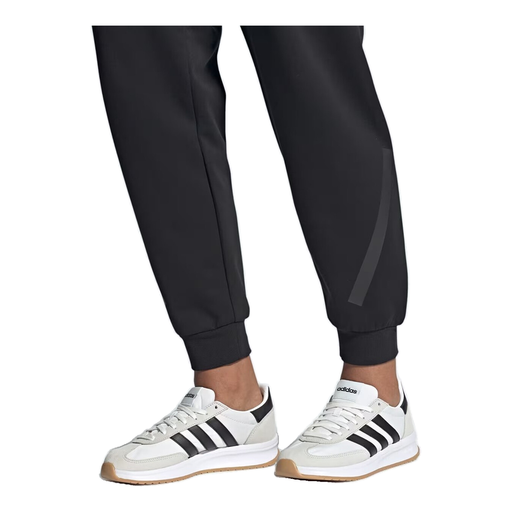
Why it suits this profile: This model pairs a retro silhouette with a synthetic leather and textile upper. It’s a good choice if you’re looking for one pair to wear with everyday outfits and for casual use.
The product information specifies the materials, rubber outsole, flexible construction and foot length. So you don’t have to judge it on its retro looks alone.
Synthetic leather and textile; rubber outsole; foot length of 25.5 cm for this version.
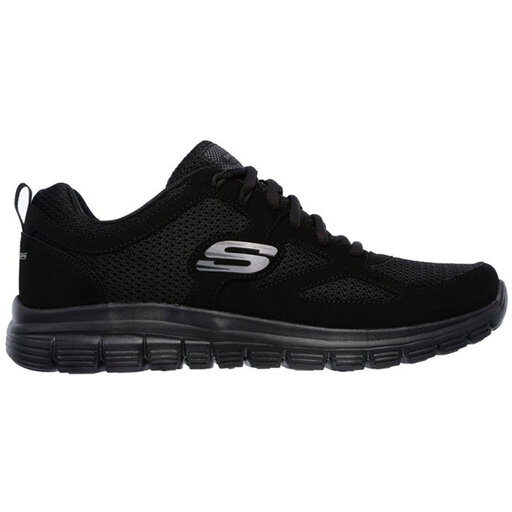
Why it suits this profile: The combination of synthetic leather, mesh panels and a fixed Memory Foam insole is a good match for anyone looking for an everyday style with clear comfort specifications.
The description clearly states the regular fit, size 46, mesh panels and non-removable insole. This makes it easier to compare with other trainers.
Memory Foam insole; mesh for ventilation according to the product description; rubber outsole.
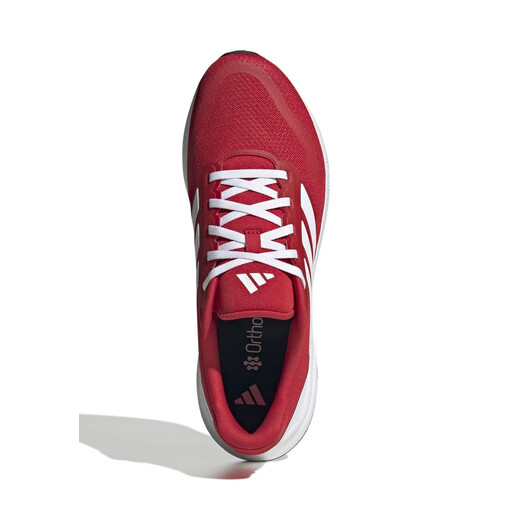
Why it suits this profile: The product page states that this model is designed for road running and short distances of 0–10 km. That makes it a more logical choice for a running routine than an ordinary casual trainer.
The stated use, sole construction and sizing details are more specific than simply calling it “sporty”. Still, check that the fit suits your foot.
Mesh upper; Cloudfoam midsole; Ortholite insole; Adiwear outsole, according to adidas.
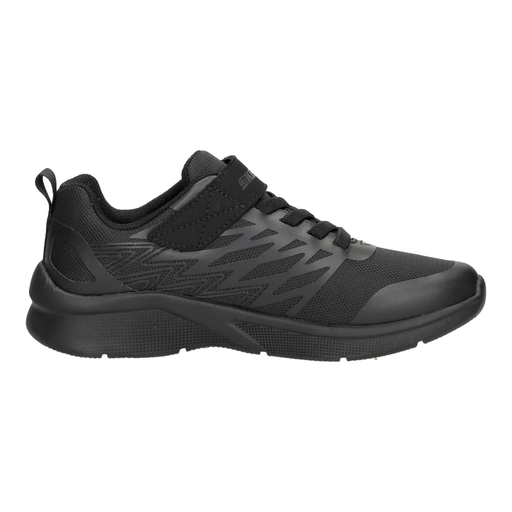
Why it suits this profile: This children’s trainer has elastic fastening with a hook-and-loop strap, a regular fit and a D shoe width. That makes it practical for children learning to put their shoes on and take them off independently.
The size, regular fit, D width and materials are all clearly stated. This helps you avoid choosing based on colour or appearance alone.
Elastic fastening and hook-and-loop strap; textile upper; rubber sole.
We’ve put together a complete, up-to-date list of products that meet these strict selection criteria and the applicable European safety regulations.
Their lifespan depends on how often you wear them, your weight, the surface you walk or run on, how well you care for them and the materials they’re made from. Check the outsole regularly for wear, and look for loose stitching or a misshapen insole. A pair worn every day may wear out faster than one used occasionally, so there’s no single lifespan that applies to all trainers.
Some models are designed for running, while others are mainly for casual wear. Check the product description for a specific intended use, sole construction and fit. A retro trainer or flat lifestyle shoe isn’t automatically suitable for longer distances.
Always follow the care label. Many models can simply be wiped with a damp cloth and left to air dry. Avoid direct heat, bleach and the washing machine unless the care instructions specifically allow it. Remove dirt as soon as possible to reduce the need for more intensive cleaning.
