
Vandaag of morgen in huis

Kwaliteit gegarandeerd

Welkomstaanbiedingen ontgrendelen: GRATIS bezorging | Tot 80% korting | Gratis 30 dagen JoyPlus-proefperiode
Download de app
Trainers are easy to order online, but an attractive appearance says little about how comfortable they will be after a long day at work. A low price, well-known brand name or striking colour does not automatically make a pair suitable for your needs. If you are looking for trainers for walking, work, streetwear or skateboarding, it is worth looking at the construction and fit first.
Black trainers, white trainers and styles with eye-catching brand details are easy to pair with other clothes. However, they may be less suitable if the sole is too stiff, the toe box is narrow or the insole offers little cushioning. Always check the product information rather than looking only at the photos.
A product may sometimes be described as “durable” or “breathable” without clearly stating what the upper, lining and sole are made from. Suede trainers need different care from canvas trainers. Leather trainers can have a sturdy appearance, but that does not automatically mean they are waterproof. With textile, the emphasis is often on a lightweight feel and ventilation.
Sizes vary between brands and models. An EU size 39 may fit differently from one pair to another. Look for indications such as “runs large”, the foot length in centimetres and the available width. If you are unsure, the size chart for the specific product is more important than your usual size.
Choose the material based on how you plan to use the trainers:
The product page should state the composition of the upper, lining and sole. Also look for a note indicating that a product may contain non-textile parts of animal origin.
A rubber sole provides grip and is a recognisable construction feature on many casual trainers. A flat tread suits a classic skate style, while a sole with a clearly defined tread pattern may offer better support on paved surfaces. However, the sole affects more than just grip: also consider flexibility, thickness and how the shoe fits around your foot.
For skateboarding, skate shoes with a flat sole and sturdy construction are often a more logical choice than very lightweight running shoes. For walking or long days at work, a padded insole and additional cushioning may feel more comfortable. A style suitable for everyday wear is not automatically designed for sporting performance.
Low-top trainers are easy to put on and take off and work well with jeans, chinos and casual clothing. High-top trainers cover the ankle and have a more defined silhouette, but may feel warmer or less flexible. Laces help you adjust the fit, while a soft collar can reduce rubbing around the ankle.
Check the following before buying:
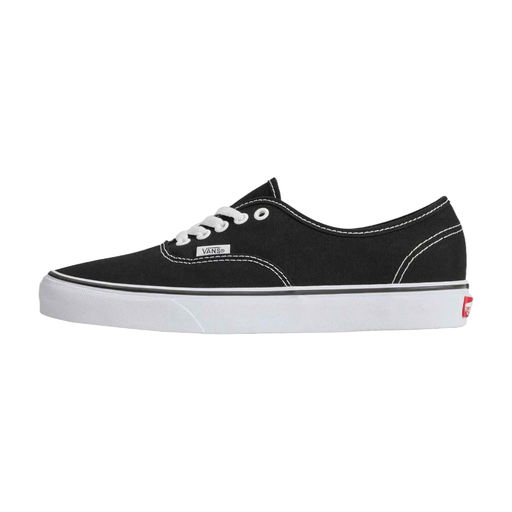
Why it suits this profile: This black low-top model has a simple design that works well for walking, work and everyday outfits.
The material specification lists textile for the upper and lining and rubber for the sole, so you know exactly what you are buying in advance.
Textile upper and lining; rubber outsole; low-top shape and black colour.
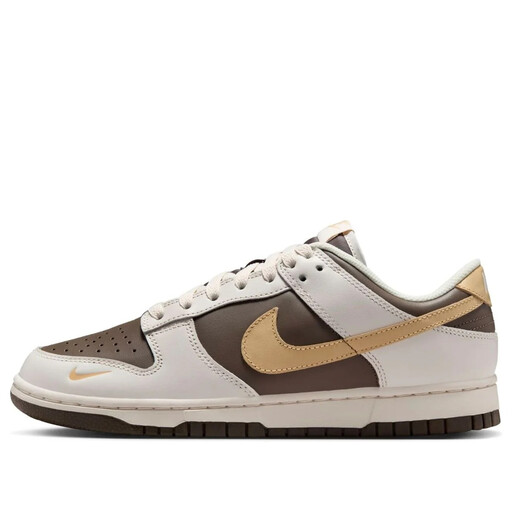
Why it suits this profile: The low-top shape and black-and-white colourway suit streetwear and everyday wear.
The product description lists leather for the upper, textile for the lining and a rubber sole with a pivot point. This makes the construction easy to verify.
Leather upper; padded collar; padded insole; rubber sole with pivot point.
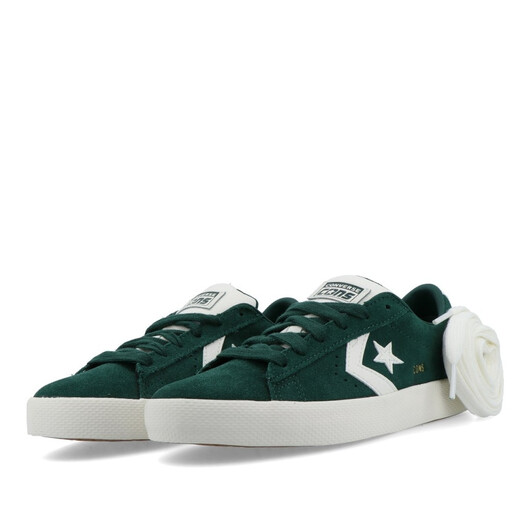
Why it suits this profile: The low-top shape, suede upper and vulcanised rubber sole suit casual wear and skateboarding.
The product information clearly specifies the sole, upper and care method. This leaves less room for assumptions about care and use.
Suede upper; vulcanised rubber sole; low-top shape; padded insole.
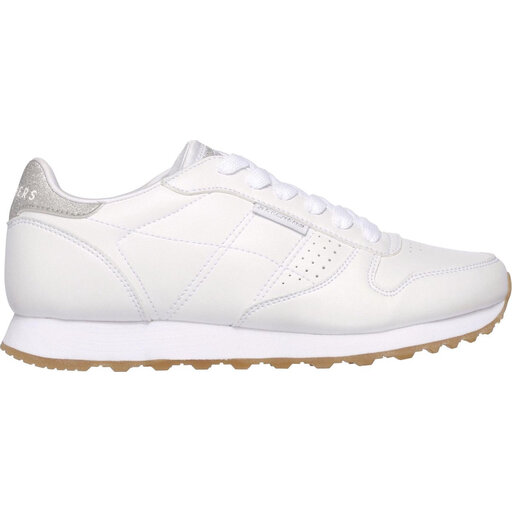
Why it suits this profile: This white low-top model is designed for everyday wear and, according to the product description, has a padded insole.
The size advice states that this model runs large and recommends choosing one size smaller. This helps prevent ordering the wrong size.
Textile upper; 2 cm rubber sole according to the product information; non-removable insole.
We have put together a complete, up-to-date list of products that fully meet these strict selection criteria and the applicable European safety regulations.
Their lifespan depends on how often they are worn, the surface you walk on, the material and how well they are cared for. Alternate between pairs if you walk a lot every day. Allow damp trainers to dry at room temperature and do not use a direct heat source. Do not machine-wash trainers if the manufacturer advises against it.
For suede, you can use a suitable brush and waterproofing spray. Canvas and textile can be cleaned carefully according to the care label. For leather styles, a soft cloth usually works better than harsh cleaning products. Regularly check the stitching, heel lining and edge of the sole. Wear on these areas is a practical sign that it may be time to consider a new pair.
It depends on your daily routine. For work and walking, low-top trainers with a comfortable insole and rubber sole are often practical. Choose leather, suede, canvas or textile based on the care required and the weather conditions. For skateboarding, models with a flat sole and sturdy construction are a more logical choice.
There is no fixed rule for each brand. Always check the size chart and the specific size advice. Some models run large, while others may feel narrower. Ideally, measure your foot in centimetres and compare it with the stated foot length.
First remove dust with a soft brush. Then use a slightly damp cloth and a mild cleaning product suitable for the material. Test it on an inconspicuous area first. Allow white trainers to dry naturally and do not use bleach unless the manufacturer explicitly permits it.
