
Vandaag of morgen in huis

Kwaliteit gegarandeerd

Welkomstaanbiedingen ontgrendelen: GRATIS bezorging | Tot 80% korting | Gratis 30 dagen JoyPlus-proefperiode
Download de app
In the Netherlands, a pair of trainers often needs to serve several purposes: commuting, running errands, walking around town and completing a casual outfit. Yet a style can sometimes look more suitable in photos than it is in practice. Choosing the wrong size, poor grip or material that is difficult to care for can all lead to a disappointing purchase.
These common pitfalls are worth watching out for:
For everyday wear, trainers with a rubber sole are practical thanks to the grip and durability stated in the product information. A flat sole works well with lifestyle trainers, retro trainers and styles for casual outfits. For walking, the tread is especially important: a smooth sole may be less suitable on wet streets.
A style with a soft or cushioned midsole can feel comfortable on longer days. Check the construction: IMEVA, EVA, rubber and TPU each have different properties. Also check whether the shoes are intended for everyday wear or intensive sport. Casual trainers are not automatically suitable for running or other high-impact activities.
Leather trainers can have a smart appearance, while mesh and textile are often described as lighter and more breathable. Suede needs its own care routine and can be more sensitive to water and dirt. Synthetic overlays are generally easy to clean with a slightly damp cloth, but always follow the product’s care instructions.
A wipe-clean surface is useful for white trainers, but no material stays white by itself. Don’t put trainers in the washing machine without checking first. Some product pages recommend hand cleaning, air drying and avoiding direct heat.
Check the stated fit, the shape of the toe and the fastening. A regular fit and round toe feel different from a narrow, low-profile style. Laces allow you to adjust the fit, but choosing the right size is still essential. Try them on with the socks you usually wear and make sure your toes don’t press against the front.
The same basic rules apply to men’s and women’s trainers: compare the size guide for each style. Also check the differences between EU, UK and US sizes. For example, a size 42 2/3 is not the same as a style available only in size 42.
The selection below is based on verifiable details such as material, sole, fastening, fit and care instructions. Product descriptions may include brand claims; these are not presented here as a guarantee of a personal experience.
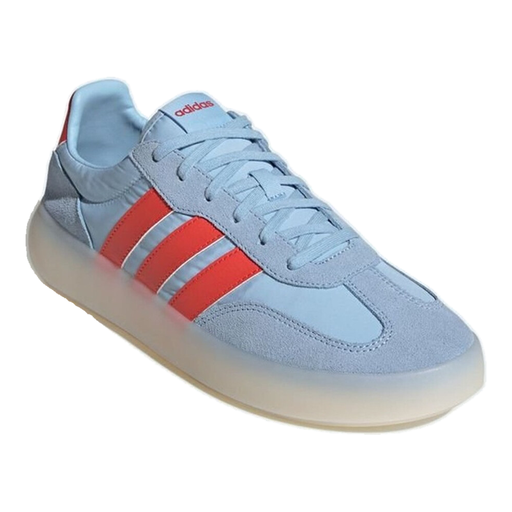
Why it suits this profile: This style combines a classic T-toe shape with a suede and nylon upper. The regular fit and lace fastening make it a practical choice for everyday casual outfits.
The product information specifically mentions a regular fit, a padded midsole and a rubber cupsole. That means you don’t have to judge it on looks alone. Suede does need careful maintenance.
Suede and nylon upper, lace fastening, padded midsole and rubber cupsole. The product page recommends cleaning with a damp cloth and air drying.
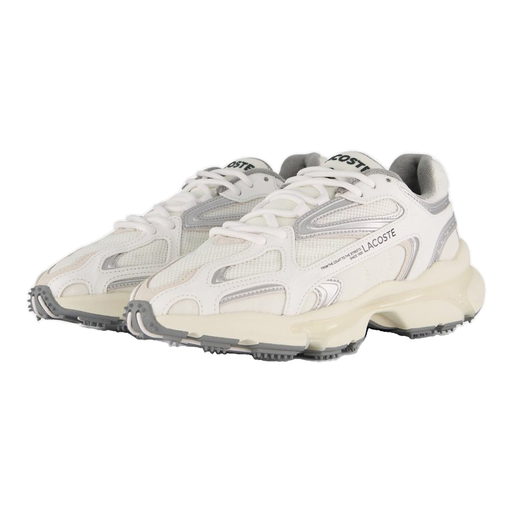
Why it suits this profile: The combination of mesh, suede and synthetic overlays gives this style a more layered look. The OrthoLite insole, padded tongue and EVA midsole are useful features to consider for everyday wear.
The product page specifies the materials, insole and sole construction. This makes it easier to assess than a general claim about comfort. Hand washing and avoiding the tumble dryer are important points to bear in mind.
Mesh and suede with synthetic overlays, EVA midsole, OrthoLite insole and rubber outsole with an anti-slip tread, according to the product description.
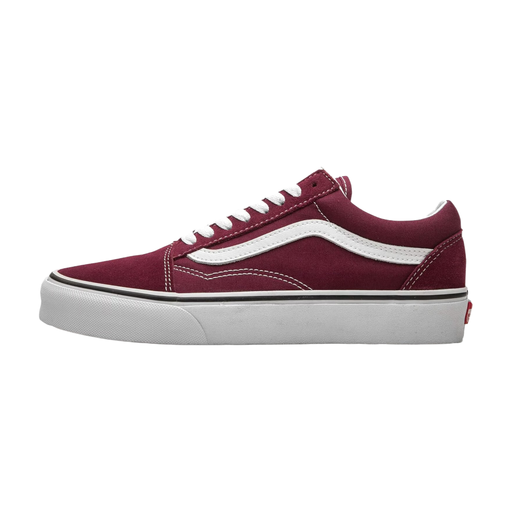
Why it suits this profile: The classic Vans Old Skool has a textile upper, textile lining and rubber sole. Its low-profile shape and flat sole make it a good match for casual wear, walks around town and everyday outfits.
The product information clearly states the sole and materials, so it’s clear that this is a lifestyle style rather than a specialist running or work shoe. Machine washing and high temperatures are not recommended.
Textile upper and lining, rubber sole and a familiar low-profile fit. The manufacturer recommends air drying and storing them in a dry, well-ventilated space.
We’ve put together a complete, up-to-date list of products that meet these strict selection criteria and the applicable European safety regulations.
Their lifespan depends on how often you wear them, the surfaces you walk on, the material and how well you care for them. A pair worn every day will wear out more quickly than trainers you alternate with other pairs. Check the soles for smooth patches, let wet shoes air dry and, where possible, rotate between several pairs.
Yes, white trainers go with lots of outfits, but dirt shows up more quickly. Choose a style whose material, according to the product information, can be cleaned with a damp cloth. Avoid harsh cleaning products and follow the specific care instructions.
Not always. Lifestyle trainers, retro trainers and casual trainers are usually designed for everyday wear. Running, intensive fitness and other sports require features such as stability, cushioning and a sport-specific sole. Always check the stated intended use before placing your order.
