
Vandaag of morgen in huis

Kwaliteit gegarandeerd

Welkomstaanbiedingen ontgrendelen: GRATIS bezorging | Tot 80% korting | Gratis 30 dagen JoyPlus-proefperiode
Download de app
Trainers are versatile: you can wear them to work, on a walk around town or with a casual outfit. But a style that looks great online can disappoint in real life. The sole may not be ideal for long distances, the material may need extra care, and the wrong size can make even a well-designed pair impractical.
Use these checks to compare trainers based on material, fit, sole and intended use. This will help you cut through the marketing jargon and focus on what matters in the Netherlands: changeable weather, plenty of walking and shoes that work with a range of outfits.
A familiar brand doesn’t automatically mean a style is right for how you’ll use it. Vans trainers, Lacoste trainers, Nike Dunk Low styles and Converse trainers each have their own shape, sole and choice of materials. A low-top with a flat rubber sole, for example, works well with a casual or skate-inspired look, but may not offer the same features as a trainer with a softer midsole.
Sizes can vary between brands and styles. So check not just the EU size, but also the foot length in millimetres if that information is available. Look out for notes such as “comes up large” and check the fit description. The Skechers OG 85 Old School, for example, is described as coming up large, with the advice to order one size smaller.
Leather trainers are often easy to wipe clean, but leather and suede need different care. Textile and canvas are lightweight and suit a casual look, but need extra care in the rain and around stains. For some Vans styles, the care instructions specifically advise against machine washing and recommend air drying instead.
The upper largely determines a trainer’s look, breathability and care requirements.
Bear in mind that product descriptions sometimes use terms such as “durable” or “breathable”. Treat these as descriptions from the brand and focus on the listed material composition and construction.
The sole affects how a trainer feels and what it’s practical for.
Terms such as “grip” and “cushioning” describe the construction, but don’t tell you exactly how a shoe will feel on your feet. Fit and personal preference still matter.
Choose a low-top if you want a style that’s easy to pair with jeans, chinos or shorts. A high-top such as the Converse CTAS HI covers more of the ankle and has a different look from low-top trainers.
For trainers for everyday wear, it’s worth checking for:
Men’s and women’s trainers may be sized differently across collections. So check the specific size guide for the product, rather than relying on the category alone.
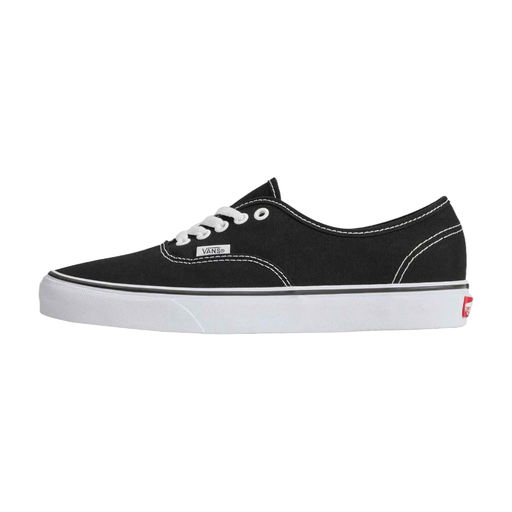
Why it suits this wearer: The low-top black design is easy to pair with jeans, work outfits and casual clothes. The product description lists textile for the upper and lining, and rubber for the sole.
The product specifications make the materials and construction clear, so you don’t have to judge by the brand or colour alone.
Textile upper, textile lining, rubber sole and a versatile black colour.
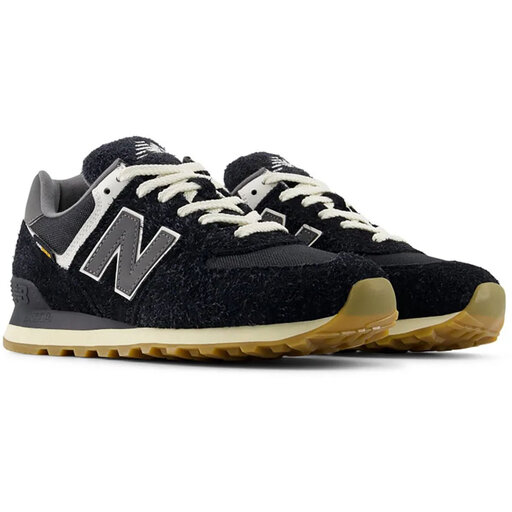
Why it suits this wearer: The retro 574 design in grey and navy works with a range of outfits. The combination of suede and mesh makes this style a good choice for anyone weighing up materials, looks and everyday wear.
The listed combination of suede, mesh and rubber helps you consider care and use in advance, rather than focusing on the silhouette alone.
Suede and breathable mesh, a rubber outsole and a supportive midsole, according to the product description.
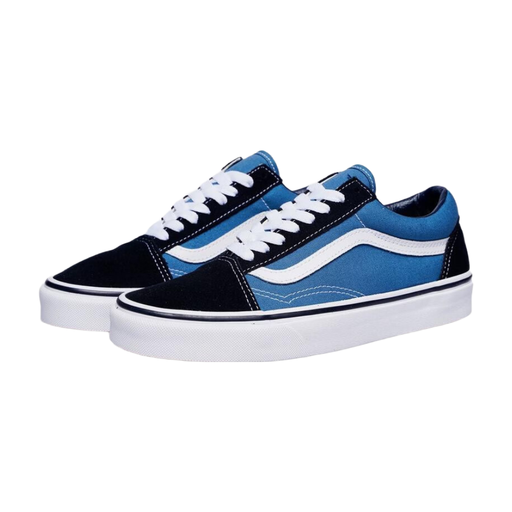
Why it suits this wearer: This style is designed with a skate-inspired look, featuring canvas, suede overlays, a padded low collar and a rubber sole with a diamond pattern.
The material composition and care instructions indicate that you should avoid water, machine washing and high temperatures.
Canvas with suede overlays, a padded collar, a lightweight midsole and a rubber outsole with a diamond pattern.
How long trainers last depends on how often you wear them, the surfaces you walk on, exposure to moisture and how well you care for them. Rotate your shoes if you wear them frequently, and let damp trainers dry at room temperature. Avoid radiators, hairdryers and machine washing unless the manufacturer says they’re safe.
Use a suitable brush or eraser on suede. You can usually spot-clean textile with a damp cloth and mild soap. For leather trainers, it’s best to check the care advice on the product label first. Store your trainers somewhere dry and ventilated, and check the seams, insole and outsole from time to time.
We’ve put together a full, up-to-date list of products that meet these strict selection criteria and the applicable European safety regulations.
Look for a fit that holds your foot securely, a sole with a suitable tread and materials that suit your routine. If you do a lot of walking, a padded collar and a cushioned midsole may be worth considering. For the office and casual occasions, colour and ease of care often matter more.
Measure your foot at the end of the day while wearing the socks you normally use. Compare the measurement in millimetres with the size guide for the style. Also check whether the shoes come up large or small. If you’re unsure, check the returns policy before ordering.
First remove the laces and any loose dirt. Spot-clean textile and canvas with a soft cloth and mild soap. Use a specialist brush for suede. Let your shoes air dry, and avoid machine washing, bleach and direct heat if the product instructions advise against them.
