
Vandaag of morgen in huis

Kwaliteit gegarandeerd

Welkomstaanbiedingen ontgrendelen: GRATIS bezorging | Tot 80% korting | Gratis 30 dagen JoyPlus-proefperiode
Download de app
A pair of trainers needs to cope with a lot in the Netherlands: cycling, walking, commuting and changeable weather. Even so, an attractive design is not automatically suitable for everyday use. Marketing copy often focuses on style, cushioning or a well-known brand name, while important details about fit, material and care are less visible.
The most common pitfalls when buying trainers are:
By checking the right details, it is easier to find men’s trainers, women’s trainers or unisex styles that suit your wardrobe and walking routine.
Do not look only at the EU size. Also check the stated foot length in centimetres and the fit. A standard, wide or narrow last affects how a trainer feels. Check whether the model comes up large or small, too. For example, the Skechers OG 85 Old School is described as having a generous fit, with one size smaller recommended. This practical information could help you avoid a return.
Converse models come with a detailed size chart showing EU sizes and foot lengths. If you are unsure, use a ruler to measure your foot, preferably at the end of the day. When trying the trainers on, wear the socks you would normally wear with them.
The upper largely determines the look, breathability and care requirements:
Also take a look at the sole. A rubber outsole provides grip on many urban surfaces, but the tread and flexibility vary between models. A flat sole, such as the one on the Puma Speedcat, feels different from a more cushioned retro training sole.
For shopping, the office and walks around town, trainers designed for everyday use are usually sufficient. If you regularly walk long distances, look for a cushioned insole, a supportive fit and a sole that does not feel too stiff.
Pay attention to the care instructions. Many models should not be put in the washing machine. Adidas recommends cleaning the Run 70s 2.0 with a damp cloth and allowing it to dry naturally. For the Vans Old Skool, it is likewise recommended that you avoid high temperatures, bleach and machine washing. This helps prevent deformation and fading.
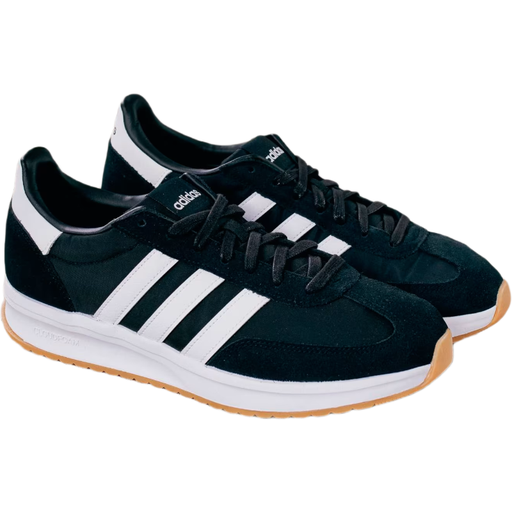
Why it suits this profile: The retro-inspired shape pairs easily with jeans, chinos and sporty clothing. The stated foot length of 26.5 cm makes choosing the right size more precise than relying on an EU size alone.
The product information states the materials, sole type, foot length and care instructions. This means you do not have to rely solely on the appearance or brand name.
Synthetic leather and textile upper, textile lining and rubber outsole. The description mentions a lightweight, flexible construction.
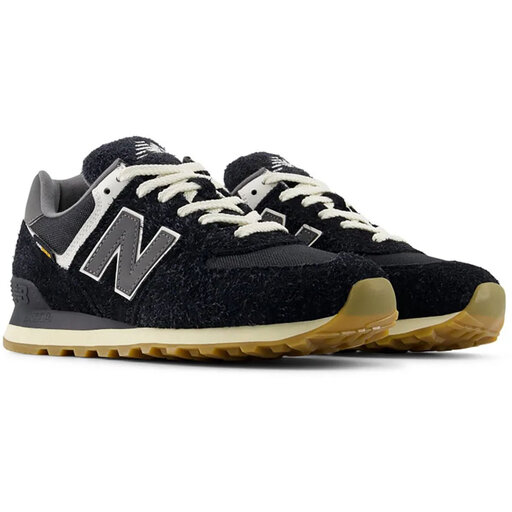
Why it suits this profile: The combination of suede and breathable mesh is ideal for anyone who wants a recognisable retro style with carefully considered materials and everyday comfort.
The description specifies the suede and mesh combination and does not present the shoes as technical running footwear. This helps you assess lifestyle trainers appropriately.
Suede and mesh upper, rubber outsole and a supportive, cushioned midsole according to the product description.
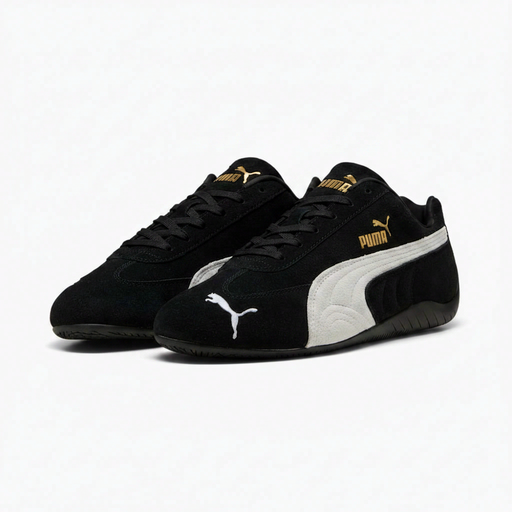
Why it suits this profile: The low-profile, streamlined shape is appealing to streetwear fans and anyone who loves a distinctive retro racing style. This trainer is primarily designed for casual wear.
The product specifications make it clear that this is a flat lifestyle trainer, not a style for intensive sport. This helps you match your purchase to walking and everyday use around town.
Leather upper, IMEVA midsole, rubber outsole, round toe and standard fit. PUMA states that it supports responsible leather production through the Leather Working Group.
We have put together a complete, up-to-date list of products that fully meet these strict selection criteria and the applicable European safety regulations.
Choose a style with a close-fitting, comfortable fit, a rubber outsole and enough flexibility for walking. Retro trainers such as the New Balance 574 and adidas Run 70s 2.0 are often chosen for their versatile look. Always check the specific sizing and material information.
Leather can be relatively easy to care for with a suitable cloth and waterproofing product. Suede has a softer texture and requires a special brush and careful cleaning. Neither material is automatically suitable for prolonged exposure to rain; care and conditions of use remain important.
Their lifespan depends on walking distance, body weight, surface, rotation and care. Alternating between pairs and allowing them to air helps reduce wear on any one pair. Replace a pair when the sole has become visibly smooth or unevenly worn, the stitching starts to come undone or the fit no longer feels stable. Also, do not use lifestyle trainers as a substitute for sports footwear when training intensively.
