
Vandaag of morgen in huis

Kwaliteit gegarandeerd

Welkomstaanbiedingen ontgrendelen: GRATIS bezorging | Tot 80% korting | Gratis 30 dagen JoyPlus-proefperiode
Download de app
A pair of trainers should suit the way you plan to use them. Yet many people buy based solely on colour, brand or a familiar model name. This can lead to shoes that pinch, wear out quickly or provide insufficient grip. Especially when choosing women’s trainers, men’s trainers and children’s shoes, fit and intended use matter more than striking looks.
Watch out for these common pitfalls:
Do not look only at the EU size. One shoe may fit true to size, while another model may be narrower or roomier. Ideally, check the size chart and, where available, the insole length in centimetres.
When trying them on, look for:
For children, a simple fastening system is practical. Models with hook-and-loop fasteners, elastic laces or a combination of both are suitable for school and putting on independently. Check the size regularly, as children’s shoes can become too small more quickly.
The sole largely determines what your trainers are suitable for. A rubber outsole can provide grip for everyday use, but that does not make a model a running shoe. For running, cushioning, flexibility, fit and a suitable running surface are important. For indoor football or futsal, a non-marking rubber sole is relevant, as it helps prevent the floor from being marked.
Use shoes for their intended purpose:
Leather trainers can have a sturdy appearance, but they require different care from textile or mesh trainers. Suede can be sensitive to moisture and stains. Mesh generally allows better ventilation, but can be more difficult to clean.
So check the following:
Do not automatically put trainers in the washing machine. For models with lighting components, for example, machine washing can cause damage. Always follow the label and product instructions.
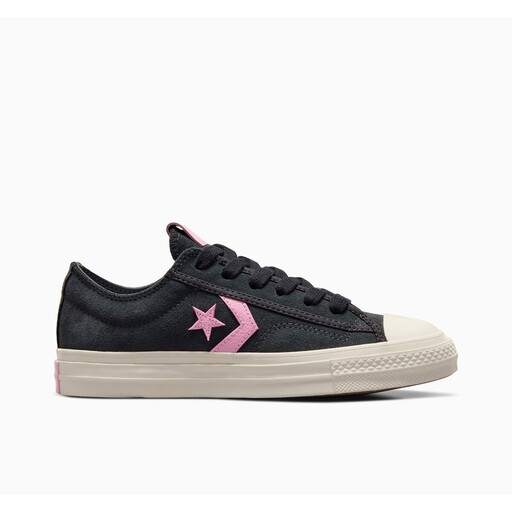
Why this suits the profile: A low-top model with a canvas upper is easy to pair with everyday clothing and suitable for anyone looking for a versatile casual trainer.
The product information clearly states that it has a canvas upper, textile lining and vulcanised rubber sole. This means you know what you are buying instead of relying on the brand image alone.
Canvas is lightweight and breathable; according to the product description, the rubber sole is flexible and designed to provide grip.
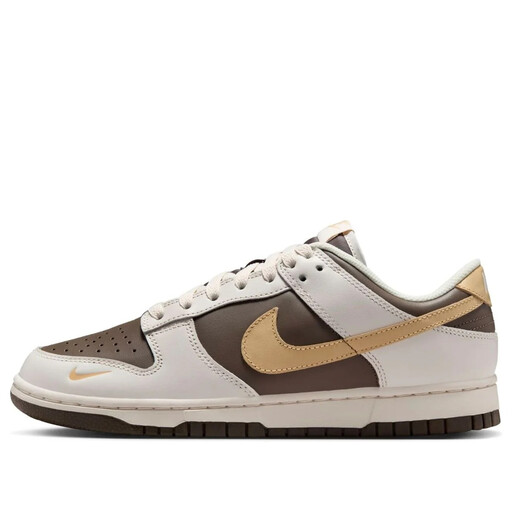
Why this suits the profile: These women’s leather trainers are ideal for anyone who values a recognisable low-top design and sturdy finish for everyday wear.
The upper, textile lining and rubber sole are clearly specified. However, check the sizing before ordering, as the product is described as a women’s model.
Leather upper, padded collar, lined insole and rubber outsole with pivot point, according to the product details.

Why this suits the profile: This model is specifically described for indoor football and futsal, rather than as a general sports shoe.
The intended use and sole are clearly specified: indoor use and a non-marking rubber sole. Do not use this model as an all-round outdoor shoe.
Flexible construction, EVA insole, reinforced toe and rubber sole for indoor surfaces.
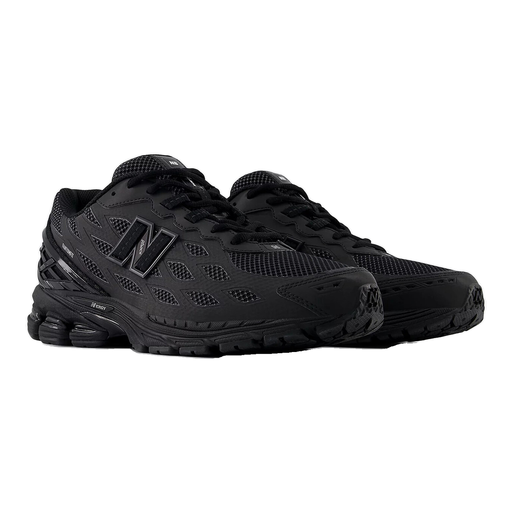
Why this suits the profile: A combination of mesh and synthetic overlays is ideal for anyone looking for one pair for casual outfits, walking and everyday active use.
The product information mentions ventilation, cushioning and grip, but does not position the model exclusively for running. This makes it clearer how the shoes are intended to be used.
Breathable mesh, synthetic reinforcements, rubber outsole and a modern sports shoe construction, according to the product description.
We have put together a complete, up-to-date list of products that fully meet these strict selection criteria and the applicable European safety regulations.
Their lifespan depends on use, material, body weight, the surface they are used on and care. A pair worn every day will wear out more quickly than shoes used in rotation. Replace your trainers when the sole becomes visibly smooth or unevenly worn, the heel no longer provides support or the upper starts to come away. With sports shoes, wear can affect grip and stability sooner.
That is not always advisable. Casual trainers are designed for everyday use and do not automatically have the features needed for running. When choosing running shoes, look at the stated activity, fit, flexibility and cushioning. Comfortable casual trainers may be sufficient for short walks, but for regular running training, a model designed for that purpose is the more sensible choice.
First remove sand and dirt with a soft brush. Then use a slightly damp cloth and a mild cleaning product, unless the care label specifies otherwise. Allow the shoes to dry at room temperature and avoid direct heat from a radiator. Leather, suede, mesh and shoes with built-in lighting each require a different approach. Always check the specific product instructions.
