
Vandaag of morgen in huis

Kwaliteit gegarandeerd

Welkomstaanbiedingen ontgrendelen: GRATIS bezorging | Tot 80% korting | Gratis 30 dagen JoyPlus-proefperiode
Download de app
Buying trainers seems simple until, a few weeks later, you start experiencing a poor fit, limited support or materials that wear out quickly. A model may look appealing in photos, but that does not tell you whether it is suitable for long walks, commuting or sporting activities.
As a Joybuy Product Recommendation Officer, I focus mainly on verifiable product information: materials, sole, fit, fastening and care. This helps you avoid choosing based solely on the brand name, colour or marketing terms.
Terms such as memory foam, Air-Cooled Memory Foam and cushioning sound comfortable. A soft insole may feel pleasant when trying a shoe on, but it does not automatically say anything about the shoe’s stability or the support it provides during long walks.
So also check:
A size 42 can fit differently depending on the brand or model. Width also matters. Product information sometimes indicates this with a letter, such as D, G or standard fit. Always check the sizing advice on the product page.
Also consider the shape of your foot. If you have wide feet, check that the upper provides enough room around the forefoot. With a narrow foot, a loose-fitting model may slip, even when the length is correct.
Casual trainers are suitable for everyday use, but not automatically for running. Running shoes are designed with different priorities in terms of cushioning, flexibility and grip. A lifestyle model, such as some men’s trainers, women’s trainers or Vans Old Skool models, focuses mainly on appearance and everyday comfort.
So use each pair for the purpose stated in its product description. Many casual trainers are perfectly adequate for short walks and city use. For regular running sessions, running shoes are the more logical starting point.
Laces offer the greatest scope for adjusting the fit. A heel loop makes the shoes easier to put on, but it does not replace a secure heel fit. Slip-on trainers are convenient when you want to put your shoes on quickly, but check that your foot remains securely in place while walking.
A useful first check:
Mesh and engineered mesh generally allow more air to pass through than fully synthetic or smooth leather uppers. This can be useful for everyday wear or warmer weather. Suede and synthetic overlays can provide additional structure and a firmer feel.
You can see a combination of mesh and overlays, for example, in New Balance trainers and various Skechers trainers. Do check the care instructions, though: not every mesh model is suitable for machine washing, and suede requires careful cleaning.
Look at the outsole material and tread pattern. Rubber provides a practical foundation for grip on many urban surfaces. A waffle tread, as seen on the Nike Zoom Vomero 5, is a specific sole detail worth taking into account.
With well-cushioned trainers, it is important to consider where the cushioning comes from. It may be a foam midsole, a technology such as ENCAP, ABZORB or N-ergy, or an insole with memory foam. According to the brand’s product description, such constructions may contribute to comfort or shock absorption; however, the experience varies depending on your feet, weight and usage.
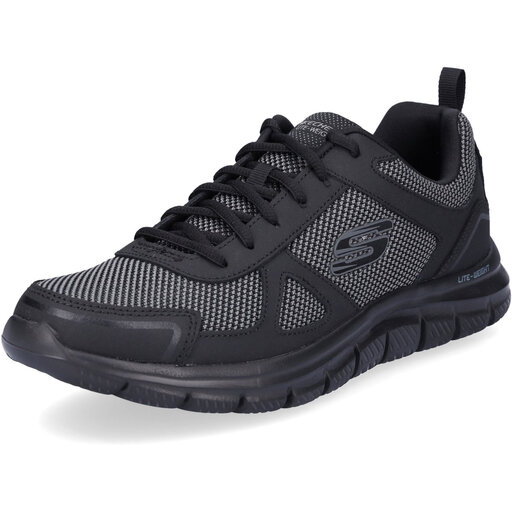
Why it suits this profile: This model is designed for everyday use and light training. Its standard fit and lace fastening make it a practical choice for anyone looking for versatile sports shoes without complicated specifications.
The product information mentions a memory foam insole, as well as a synthetic upper and rubber sole. This allows you to assess comfort and materials together instead of focusing only on the term memory foam.
Memory foam insole, mesh and leather details, lace fastening and rubber outsole.
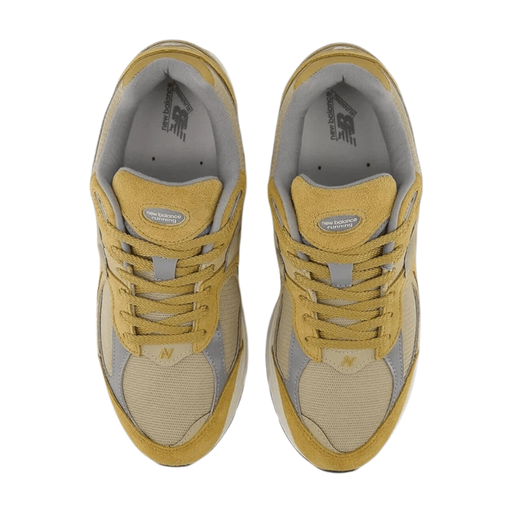
Why it suits this profile: A choice for anyone who values multiple construction details. This model combines mesh with synthetic overlays and lists ABZORB, N-ergy and Stability Web in the product description.
The product information specifies the midsole technologies and rubber outsole. This gives you more to go on than a general promise of comfort.
ABZORB and N-ergy midsole, Stability Web construction, mesh and synthetic materials.
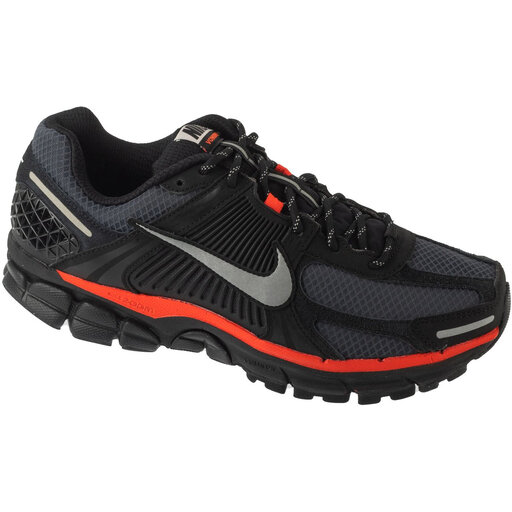
Why it suits this profile: According to the product description, this model is designed for running and everyday use. The mesh upper, padded collar and Zoom Air units suit anyone who spends a lot of time on their feet and wants a sporty look.
The shoe is not assessed on cushioning alone: the breathable mesh, synthetic reinforcements and rubber waffle tread are also specified.
Zoom Air units, mesh with overlays, padded collar and rubber sole with waffle tread.
We have put together a complete, up-to-date list of products that fully meet these strict selection criteria and the applicable European safety regulations.
Your toes should be able to move without touching the front of the shoe. The heel should feel reasonably secure, and the upper should not pinch across the instep or forefoot. Always check the specific sizing advice, especially for models that run large or small.
Their lifespan depends on usage, surface, body weight, materials and care. Intensive daily use wears down a sole faster than occasional wear. Replace your trainers when the sole becomes visibly smooth, the cushioning noticeably deteriorates or the upper no longer supports your foot properly.
They can be, but memory foam alone does not determine whether a shoe is suitable. Also consider the fit, heel stability, outsole and overall weight. For longer walks, a model with a firmer midsole and a pronounced tread may be more practical than an extremely soft casual trainer.
Always follow the care advice for the specific model. Some Skechers models recommend a gentle wash programme, while other shoes should only be cleaned with a damp cloth. Nike, New Balance and Vans recommend different care routines for different products. If possible, let shoes air-dry and avoid direct heat.
