
Vandaag of morgen in huis

Kwaliteit gegarandeerd

Welkomstaanbiedingen ontgrendelen: GRATIS bezorging | Tot 80% korting | Gratis 30 dagen JoyPlus-proefperiode
Download de app
A pair of trainers may look comfortable and versatile in photos, but that doesn’t automatically mean they’ll suit your feet or how you plan to use them. Men’s trainers, women’s trainers, sports shoes and walking shoes mainly differ in fit, sole and support. If you focus only on the colour or brand, you could end up with an uncomfortable pair after just a few weeks.
A Memory Foam insole can feel comfortable when you first put the shoe on. But the insole isn’t the only thing that determines whether a trainer fits well. The width, heel hold and room around the toes are just as important. A soft sole won’t make up for a shoe that’s too narrow or too large.
Road running shoes aren’t automatically suitable as walking shoes on muddy paths. Trail running shoes usually have a sole tread designed for off-road terrain. For everyday use in the city, a deep tread can be less practical and make the shoe heavier.
Terms such as “breathable”, “lightweight” or “extra cushioning” don’t tell you much without information about the materials and sole. Check whether the product description lists the materials, shoe width, fastening and care instructions. For example, replacing or adjusting the insole is less straightforward on a model with a non-removable insole.
Don’t just look at the EU size. Some of the models listed also give a width, such as D or G. D generally indicates a standard width for men’s shoes, while G may offer more room. This varies by brand and model, so use the size guide as a starting point and check the fit advice too.
Look out for the following:
For everyday trainers, a flexible rubber sole with a moderate tread is often enough. For road running, you’ll need a model that the product description says is designed for hard surfaces. On gravel, woodland paths or uneven terrain, grip and stability matter more.
So check:
Mesh and textile can feel more breathable than fully synthetic leather. Synthetic leather, on the other hand, is easier to clean with a damp cloth. A trainer with Memory Foam may offer extra cushioning in the insole, but check whether the insole is removable. Several models in this selection don’t have a removable insole.
Care instructions vary considerably. According to the product description, some models can be washed on a cold, delicate cycle; others should only be cleaned with a damp cloth. Ignoring the care advice can put unnecessary strain on the materials and sole.
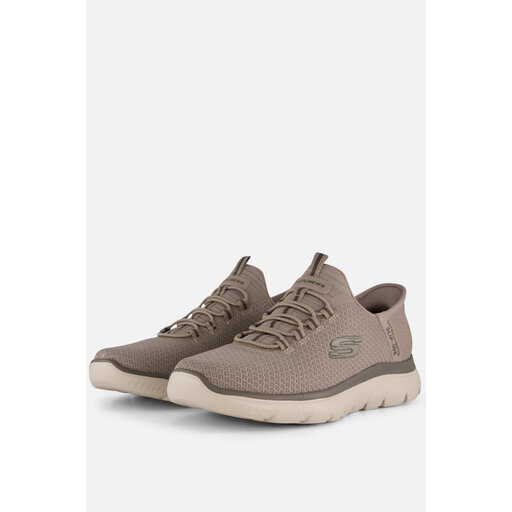
Why it suits this profile: This slip-on is designed for casual wear and everyday convenience. Its standard fit and rubber tread sole make it suitable for shopping, commuting and short walks.
The product information clearly describes these as casual shoes with a standard fit. This makes their intended use clearer than that of a model advertised for every activity.
Slip-on design, standard D width, rubber tread sole and a plain taupe colour.
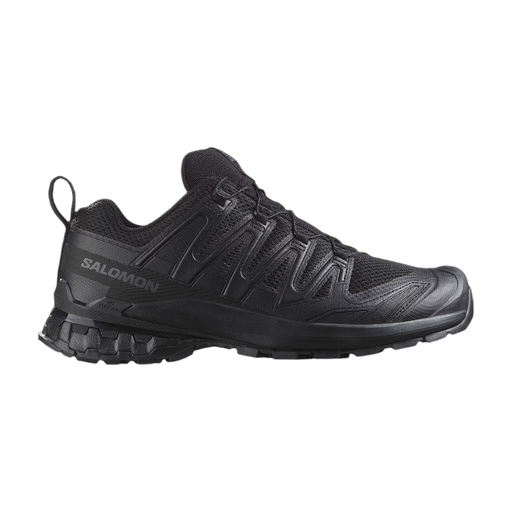
Why it suits this profile: According to the product description, this model is designed for trail running and walking. The combination of a GORE-TEX membrane, Quicklace fastening and Contagrip rubber outsole suits people who are regularly active outdoors.
Its intended use and construction are described in specific terms. That makes it clear this isn’t an ordinary lifestyle trainer designed just for city wear.
GORE-TEX membrane according to the product information, Quicklace system, 3D Advanced Chassis and Contagrip rubber outsole.
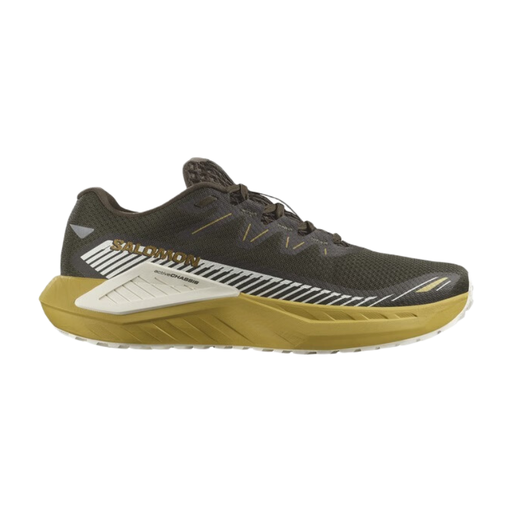
Why it suits this profile: According to the product description, this model is designed for running and walking on gravel and mixed terrain. It’s a more targeted choice than general sports shoes for people who often take off-road routes.
The product information specifically mentions gravel and mixed terrain. This helps you avoid choosing a flat city sole for paths covered with loose stones.
Active Chassis, Energy Foam midsole, All Terrain Contagrip outsole and a mesh upper, according to the product specifications.
We’ve put together a full, up-to-date list of products that meet these strict selection criteria and the applicable European safety regulations.
Start with the size guide for the specific brand and model. Measure your feet at the end of the day, when they’re often slightly larger. Compare your longer foot with the size shown, then check the advice on whether the shoes “fit true to size” or “come up large”. If you wear thick socks or go on long walks, extra room around the toes may be important.
Their lifespan depends on how you use them, the surface, your body weight, how well you look after them and how often you alternate them with other shoes. Look out for worn sole tread, tears in the upper and lasting changes to the shape of the insole. For running and trail running shoes, the condition of the cushioning and grip matters most—not just how they look.
Not as a rule. Always follow the product’s care instructions. Some Skechers models specify a cold, delicate wash cycle, while others should only be cleaned with a damp cloth. The Salomon models in this selection specify hand-cleaning and say not to immerse them in water. Remove dirt first with a soft brush, then leave the shoes to dry at room temperature, away from direct heat.
