
Vandaag of morgen in huis

Kwaliteit gegarandeerd

Welkomstaanbiedingen ontgrendelen: GRATIS bezorging | Tot 80% korting | Gratis 30 dagen JoyPlus-proefperiode
Download de app
Buying trainers seems simple until you have to choose between women's trainers, men's trainers, children's trainers, running shoes and casual trainers. A model may look appealing but still be less suitable for long walks, wet bike rides or everyday use at school.
Most disappointing purchases usually come down to three pitfalls:
Measure both feet at the end of the day while wearing the socks you normally wear with your trainers. Use the measurements of the larger foot as your starting point. Then check the size chart for the specific model.
Pay attention to the following points:
A model described as “true to size” in the product information is an indication, not a guarantee. Also check the measurements in centimetres in the size chart and review the returns policy before ordering.
The outsole largely determines where you can use a trainer. For everyday use in town, a rubber sole with a simple tread is usually sufficient. For running shoes, look at flexibility, weight and the level of cushioning. Trail running shoes generally have a deeper tread for off-road paths.
Here are some practical combinations:
Do not use a casual model as your regular running shoe without checking the outsole and midsole. Conversely, a trail model may feel unnecessarily stiff or bulky in the office.
The material affects ventilation, appearance and care requirements.
Always follow the official care instructions on the product label. “Water-repellent” or “breathable” does not mean you should make assumptions about protection during prolonged rain. A brand’s own research may indicate that a particular construction has specific properties, but before buying, focus mainly on the concrete material and care information.
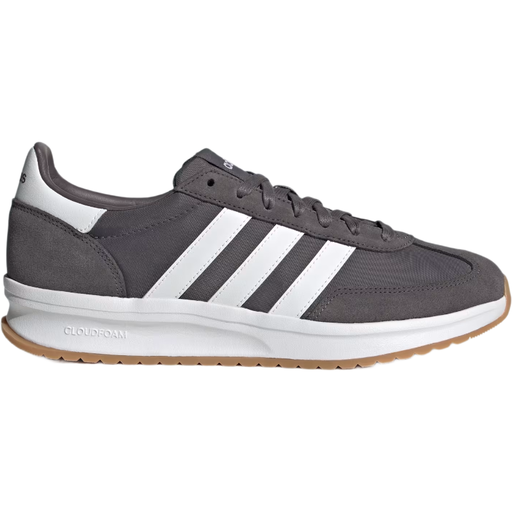
Why it suits this profile: This model combines a retro look with a textile and synthetic upper. That makes it a practical introduction to trainers for everyday use, school or leisure.
The product information mentions a rubber outsole, lightweight cushioning and a breathable upper. However, check that size 40 and the fit suit your foot.
Retro profile, textile lining, rubber sole and a design for everyday use.
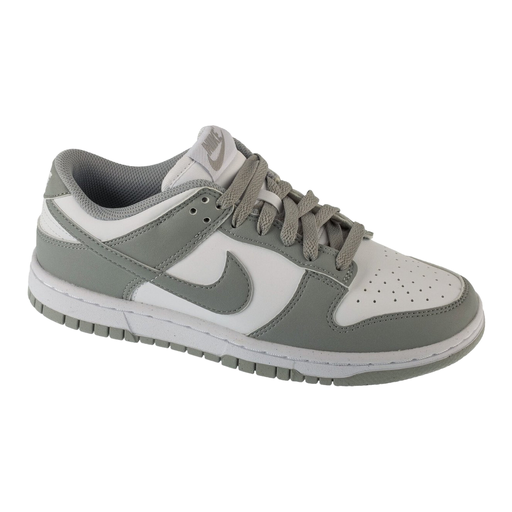
Why it suits this profile: The leather and textile materials, padded collar and cushioned insole make it a good choice for anyone looking for a smart women's trainer for everyday use.
The specifications cover more than just the appearance, including the upper, lining, insole and rubber sole. Please note: size 36 is a fixed product variant.
Leather and textile upper, padded collar, cushioned insole and pivot point in the rubber outsole.
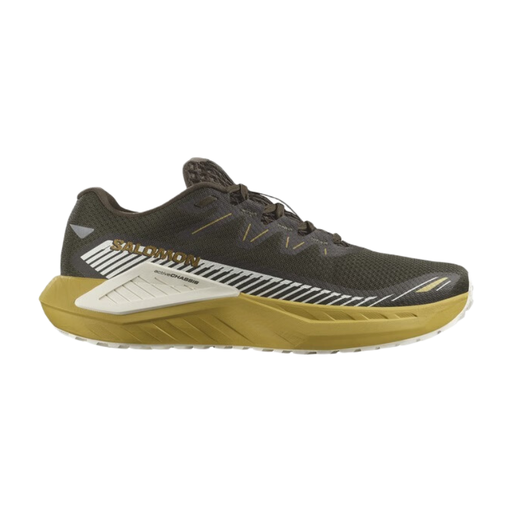
Why it suits this profile: For runners and walkers who alternate between asphalt, gravel and mixed terrain. According to the product description, this model features an Active Chassis, Energy Foam midsole and All Terrain Contagrip outsole.
The sole is designed for mixed terrain rather than street use alone. However, check that size 43 1/3 and the specific fit suit your foot.
Synthetic mesh, EVA-based Energy Foam midsole, rubber All Terrain Contagrip sole and support for gravel paths.
We have compiled a complete, up-to-date list of products that fully meet these strict selection criteria and the applicable European safety regulations.
Check these points before completing your purchase:
Casual trainers with a rubber outsole and a fit you find comfortable are generally suitable for work, school and leisure. If you do a lot of walking, choose a model with sufficient cushioning and a breathable upper. A retro model such as the adidas Run 70s or Vans Old Skool may be suitable for everyday use, but is not automatically designed for running.
Their lifespan depends on distance covered, body weight, the surface, care and how often you alternate between different pairs. Look out for wear on the tread, seams coming undone, a midsole that has collapsed unevenly or permanent deformation of the upper. With running shoes, it is sensible to consider not only how long you have had them but also how much they have been used and any visible signs of wear.
Prices vary considerably depending on the material, brand, construction and intended use. So do not compare prices alone; also consider the sole, fastening, lining, size availability and care instructions. A cheaper pair that does not suit the way you use it may ultimately cost more if you need to replace it quickly.
