
Vandaag of morgen in huis

Kwaliteit gegarandeerd

Welkomstaanbiedingen ontgrendelen: GRATIS bezorging | Tot 80% korting | Gratis 30 dagen JoyPlus-proefperiode
Download de app
There are trainers for almost every situation: your daily commute, walking, sport, running or relaxing at home. But an appealing look online can hide the wrong choice. A casual trainer isn’t automatically suitable for long walks, and running shoes don’t always feel comfortable for everyday wear.
The three most common pitfalls are:
By checking the materials, fit and intended use, you’re less likely to end up with a pair that sits unworn in the cupboard after a few weeks.
Don’t rely only on your usual EU size. Measure your foot from heel to toe and compare the result with the size guide for the specific model. Check the width, too. A regular fit can feel different from a style with a wider last.
Some Skechers models state in their product information that they come up large and recommend choosing a size smaller. The adidas Supernova Stride 2, on the other hand, is listed as true to size. This difference shows why one general sizing rule isn’t reliable for every pair of trainers.
Also check:
For running and longer walks, shoes with cushioning and a suitable outsole matter more than a striking design. According to the product description, the adidas Supernova Stride 2 uses a combination of Dreamstrike+ and EVA in the midsole. The adidas Runfalcon 5 has a Cloudfoam midsole and an Adiwear outsole, according to the same source.
These are product specifications, not a guarantee that every wearer will have the same experience. Focus on the combination of:
A flat rubber sole, as found on some casual trainers, can work well for everyday wear, but isn’t automatically designed for running.
Breathable shoes with mesh or textile uppers can feel comfortable in warm weather and during exercise. The adidas Supernova Stride 2 has a textile and synthetic mesh upper, according to the product information. The adidas Runfalcon 5 also uses mesh for its upper.
Leather or suede trainers can have a different look and feel, but they often need more care. According to the product details, the Vans Hylane is made from suede, synthetic material, textile and a rubber sole. Don’t use harsh cleaners on suede, and follow the manufacturer’s care instructions.
Clogs are usually designed to be easy to clean and ventilated. The PUXI Joymeet Clogs are moulded from a single piece of high-density EVA and have ventilation holes. The manufacturer lists two ways to wear them: with the strap at the front or at the back. This makes them practical, but they aren’t intended as a replacement for running shoes.
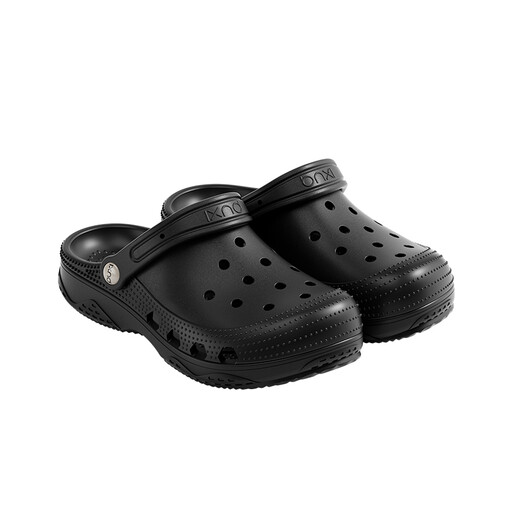
Why it suits this profile: An easy choice for home, the garden, quick errands or relaxing. The unisex design and black colour are easy to style.
The fixed EVA construction and ventilation holes make its features clearer than a fashionable appearance alone. Do check your foot length: according to the size guide, size 42-43 is suitable for 265 mm.
High-density EVA, ventilation holes and a two-way wearing option. Rinse with warm water, following the care instructions.
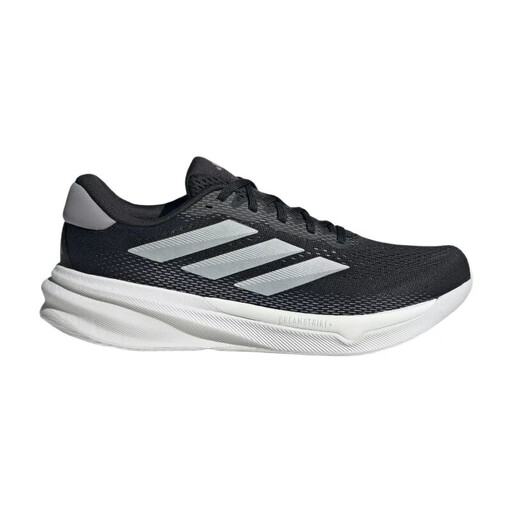
Why it suits this profile: A good choice for buyers looking for a technical running shoe for training and longer runs, with cushioning, airflow and grip in mind.
The product information specifies a Dreamstrike+ and EVA midsole, mesh upper and Adiwear rubber outsole. This lets you compare features rather than choosing based on the brand alone.
Mesh for airflow, a combination of two midsole materials and a grip-focused Adiwear outsole. The stated foot length for EU 42 is 265 mm.
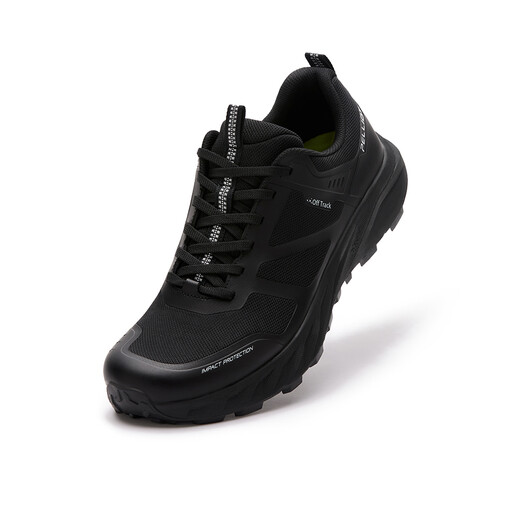
Why it suits this profile: Designed for users who want to switch between tarmac, paths and rougher terrain. The shoe is unisex and, according to the product information, intended for road-to-trail use.
The description specifies a ROCKYTEC outsole, an EVA midsole and different fit options. Do check whether the standard or slim version is right for your foot width.
Lightweight mesh, an EVA midsole and a treaded outsole for grip on different surfaces. According to the size guide, EU 41 corresponds to a foot length of 255 mm.
How long trainers last depends on how you use them, the surfaces you walk on, your body weight, your gait and how well you look after them. Rotate your shoes if you walk a lot every day, and let wet trainers dry naturally. Avoid direct heat, as it can warp glue, foam and synthetic materials.
Look out for these signs:
Only machine-wash trainers if the product information explicitly says it’s safe to do so. Many models are best cleaned with a damp cloth. Clogs made from EVA or Croslite are generally easier to rinse clean, but should still be kept away from prolonged direct sunlight and extreme heat.
We’ve put together a complete, up-to-date list of products that meet these strict selection criteria and current European safety requirements.
Measure both feet at the end of the day and use the longer foot as your guide. Compare the measurements in millimetres with the brand’s size guide. Check the width, too, and read the advice on whether the shoes are “true to size” or “come up large”.
There’s no set lifespan. A pair worn every day will wear differently from running shoes used several times a week. Check the sole, cushioning, seams and fit regularly. If you notice significant wear, it’s better to replace them rather than judging by the age of the shoes alone.
Yes, if the fit and style work for you. Bear in mind that running shoes are designed around movement, cushioning and grip. For long periods of standing, cycling or everyday wear, casual trainers or comfortable shoes may feel more practical.
