
Vandaag of morgen in huis

Kwaliteit gegarandeerd

Welkomstaanbiedingen ontgrendelen: GRATIS bezorging | Tot 80% korting | Gratis 30 dagen JoyPlus-proefperiode
Download de app
Buying trainers may seem straightforward, but an attractive pair is not automatically suitable for school, work, walking or sport. Differences in fit, materials and sole construction have a direct impact on comfort and durability. With these practical checks, you can compare women’s trainers, men’s trainers, children’s trainers and sports shoes based on verifiable features rather than just the brand name or appearance.
A low-profile trainer with a sleek silhouette may work well with your clothes, but could be less suitable for long days spent standing or walking. So check the construction of the insole, lining and outsole. According to the product specifications, an EVA insole may provide cushioning, while a rubber sole offers grip and durability. However, that does not automatically mean the shoe is suitable for intensive running training.
Words such as comfortable, lightweight and supportive often appear in product descriptions. The practical question is: do the size, width and shape suit your feet? A regular fit may work well for one wearer but feel too narrow for another. If in doubt, measure your foot length in centimetres and compare it with the size guide for the specific model.
Canvas, mesh, synthetic leather, suede and leather all react differently to rain, dirt and cleaning products. Mesh may feel more breathable, but it often requires careful cleaning. Suede can be more sensitive to moisture. Always check the washing and care instructions before ordering trainers for everyday use. Children’s trainers, in particular, are more likely to pick up stains and show wear at school and during play.
Pay attention to these points before ordering trainers:
A model described in the product information as “true to size” is an indication, not a guarantee. Foot shapes vary, and brands sometimes use different lasts.
Look at the tread and the construction of the sole. A flat rubber sole, such as those found on certain Vans Old Skool models, may suit casual wear and a skate-inspired style. For running or training, other features are more important, such as weight, flexibility and the level of cushioning.
A trainer for work, shopping and leisure does not need to offer the same features as a sports shoe designed for a specific discipline. So check:
Brands may make additional claims about cushioning, grip or energy return. Do not present these as guaranteed results: according to the brand’s own research, such features may be measured under certain conditions. Base your choice primarily on the published construction and intended use.
Textile and mesh are often lightweight and can feel breathable. Synthetic leather is generally easy to wipe clean. Leather or suede may offer a different look, but requires appropriate care. Also check the lining and insole: a padded collar or soft textile lining can affect how the shoe feels to wear.
Also look out for conflicting information. For example, a product page may mention both machine washing and hand cleaning. In that case, follow the gentlest instructions on the product label. Not every trainer is suitable for a washing machine, bleach or direct heat.
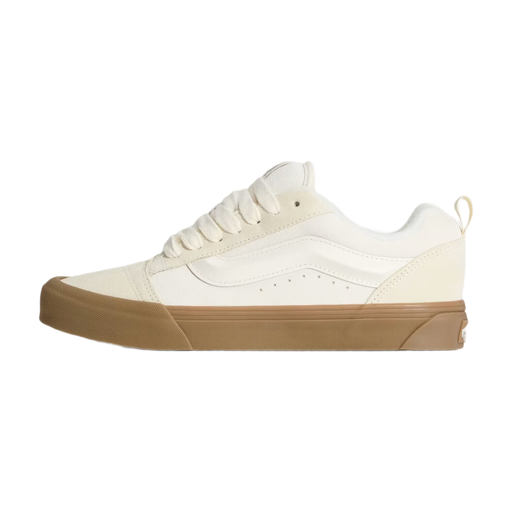
Why it suits this profile: This low-profile trainer has a regular fit, lace-up fastening and a casual off-white colour. That makes it suitable for everyday outfits, school or leisure time.
The product information lists a rubber waffle sole, soft lining and lace-up fastening. This helps you look beyond just the colour or brand logo.
Suede upper, rubber sole, soft lining and a low-profile casual shape.
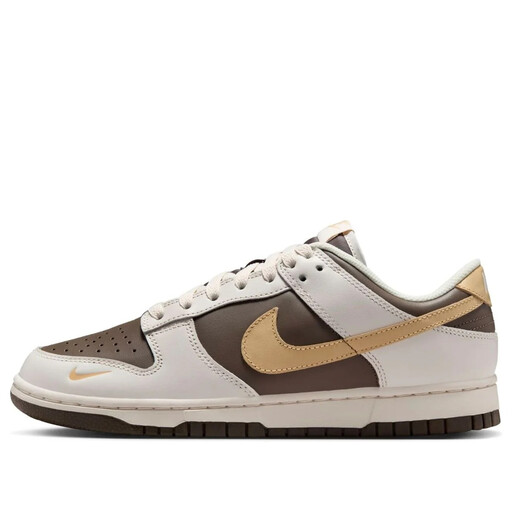
Why it suits this profile: This low-profile women’s trainer combines a leather upper with a padded collar, textile lining and rubber outsole. It is a good match for buyers who place strong emphasis on materials and finish.
The product details list the upper material, lining, insole and sole separately. This allows you to assess more accurately whether the care requirements suit how you plan to use them.
Leather upper, padded collar, cushioned insole and rubber sole with pivot point.
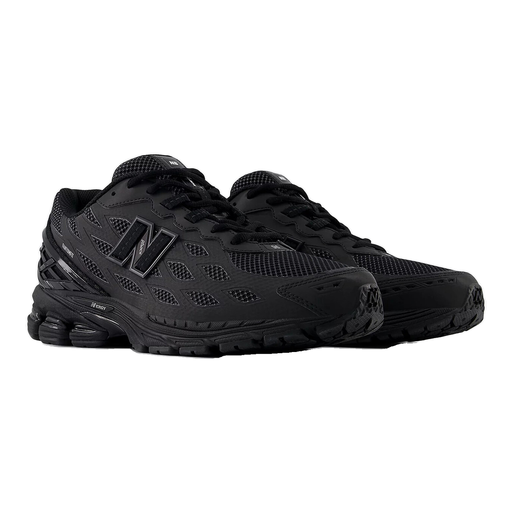
Why it suits this profile: The combination of mesh, synthetic overlays and a rubber outsole is well suited to active days and casual wear. The listed size is EU 47.5, so check the fit carefully.
The breathable mesh construction is combined with synthetic reinforcements. This provides more useful information than a general claim about sporty comfort.
Mesh and synthetic overlays, rubber outsole and a construction designed for sporty and everyday use.
For women’s trainers and men’s trainers, size, materials and style are often the first selection criteria. Consider Nike Dunk Low, Vans Old Skool, Skechers trainers and Lacoste trainers as different style directions: from basketball-inspired and streetwear looks to sporty or smart-casual designs.
Other factors are more important when choosing children’s shoes:
A pair suitable for school and play is not automatically a substitute for sports shoes designed for a specific activity.
We have put together a complete, up-to-date list of products that fully meet these strict selection criteria and the applicable European safety regulations.
Measure both feet at the end of the day and compare the longer foot with the size guide for the chosen model. Also check the stated fit and width. An EU size may feel different from one brand or model to another.
Lifespan depends on walking distance, body weight, surface, materials and care. Check the sole for smooth patches, cracks and uneven wear. If you wear trainers every day, alternating between two pairs can help both pairs air and dry out between wears.
For everyday wear, choose a model with a suitable fit, a sturdy rubber sole and materials that are easy to maintain. Low-profile trainers are practical with a wide range of outfits. For long walks or training, also compare cushioning, flexibility and grip with the requirements of the activity.
