
Vandaag of morgen in huis

Kwaliteit gegarandeerd

Welkomstaanbiedingen ontgrendelen: GRATIS bezorging | Tot 80% korting | Gratis 30 dagen JoyPlus-proefperiode
Download de app
A new pair of trainers seems easy to choose, until you get home and realise the size is wrong, the sole is too slippery or the material is difficult to keep clean. Marketing often focuses on a trendy colour, a well-known name or a soft insole. For everyday use in the Netherlands, other details are just as important.
The most common pitfalls:
First check whether the model has a standard fit and which shoe width is specified. Width D is common in many models, while some children’s trainers with width G offer more room. Sizing varies by brand and model.
Also consider the fastening:
If you are unsure, check the foot length in the size guide. If the product states that the shoe comes up large, a smaller size may be suitable. Take this product-specific size advice seriously and compare it with the foot length, rather than relying only on the size of an old pair.
For walking, school and everyday use, grip, flexibility and sole thickness are important considerations. A rubber outsole with tread can be practical on a range of surfaces. A flat sole suits a casual model, but on its own says nothing about whether the shoe is suitable for intensive sport.
If you are looking for sporty trainers, check what the model is intended for according to the product description. Many casual trainers are suitable for walking or everyday use, but they are not automatically designed for running or indoor sports.
A thicker sole, for example 2 to 4 centimetres, can give the shoe a different look and feel. For a child, a sturdy but not unnecessarily heavy shoe is often more practical for school and play. Also check whether the insole is removable. This is not always the case with the selected models below.
The shoe’s composition is usually listed as the upper, lining, midsole and outsole. This makes comparisons easier:
Always follow the manufacturer’s care instructions. Several models recommend applying an impregnation spray before first use. Shoes with built-in lights, such as certain children’s trainers, must not be put in the washing machine according to the product information.
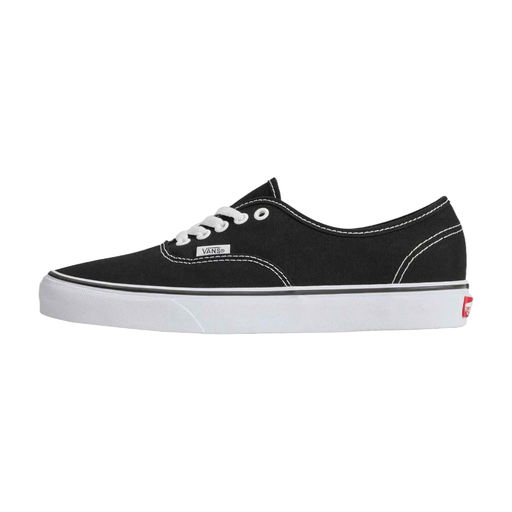
Why it suits this profile: This black, low-top trainer has a simple design that works with a wide range of everyday outfits. The upper, lining and insole are made from textile, while the bottom is made from rubber.
The material choice and construction are clearly specified. This allows you to decide in advance whether textile suits your care expectations.
Low-top shape, black colour, textile upper and rubber bottom for everyday use.
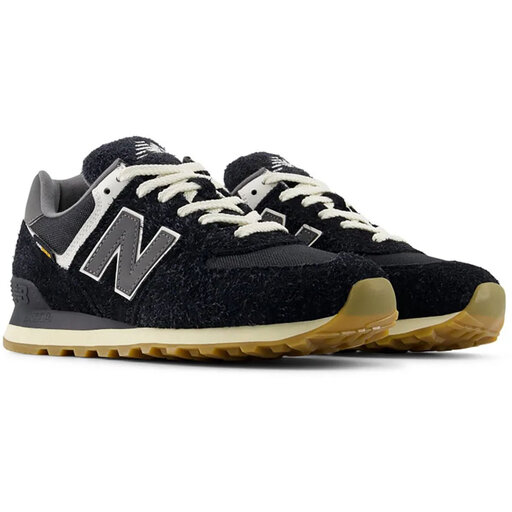
Why it suits this profile: This retro-inspired trainer combines suede and mesh with a rubber outsole. The grey-blue tones work well with casual outfits and for everyday walking.
The combination of materials, midsole and outsole is described in specific terms. You therefore do not have to rely solely on the retro look.
Suede and mesh, supportive midsole, rubber outsole and at least two years’ statutory guarantee according to the product information.
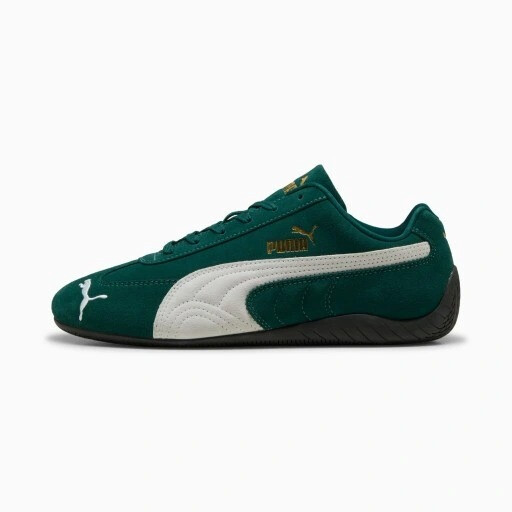
Why it suits this profile: This low-top model with a flat heel, lace fastening and rubber outsole is ideal for fans of a streamlined racing and streetwear style.
The product description states that it has a standard fit and a leather upper. It is therefore clear in advance that this is not a vegan trainer and that impregnation is recommended.
IMEVA material according to PUMA, leather upper, flat heel and rubber outsole with grip.
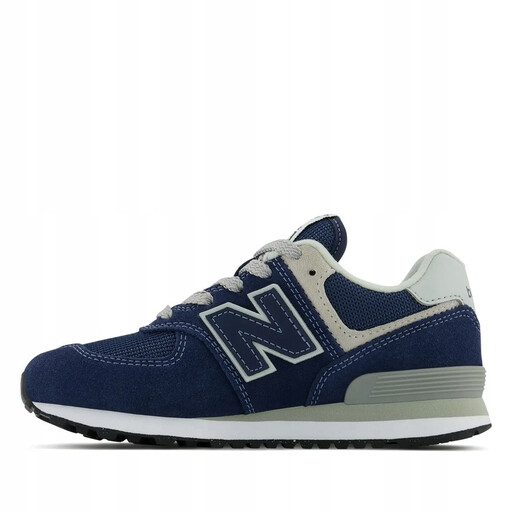
Why it suits this profile: This children’s trainer has a hook-and-loop fastening and a low-top shape. That makes it practical for school, play and putting on and taking off every day.
The fastening, materials and care instructions are specified. Parents can therefore compare the size, care requirements and intended use in advance.
Suede, synthetic material and mesh, lightweight EVA midsole, rubber tread sole and hook-and-loop fastening.
We have put together a complete, up-to-date list of products that fully meet these strict selection criteria and the applicable European safety regulations.
Lifespan depends on use, surface, body weight, material and care. A pair worn every day will wear out more quickly than trainers used in rotation. Look out for separating seams, worn-smooth tread and an unevenly worn sole. These are more useful indicators than a fixed timeframe.
Black trainers generally hide light dirt better, although creases and dust may remain visible on some materials. White trainers are easy to pair with clothing, but show dirt more quickly. Choose primarily based on the material and care requirements: textile, leather and synthetic materials do not all need the same treatment.
An insole with Memory Foam may contribute to a soft feel and shock absorption, according to the product description. That does not automatically mean that every model is suitable for long walks or sport. Also check the fit, width, sole construction and intended use. The product information for various Skechers trainers states that the insole is not removable; this can also be an important purchase criterion for some users.
