
Vandaag of morgen in huis

Kwaliteit gegarandeerd

Welkomstaanbiedingen ontgrendelen: GRATIS bezorging | Tot 80% korting | Gratis 30 dagen JoyPlus-proefperiode
Download de app
Finding the right shoes seems simple, until you notice after a few weeks that the sole has become smooth, the fit is too tight or the model is unsuitable for your activity. Trainers and sports shoes differ significantly in construction. A casual trainer for everyday wear needs different features from running shoes or trail running shoes.
Pay particular attention to three common pitfalls:
Finding the right size starts with measuring your foot length in centimetres. Measure both feet at the end of the day and compare the longer measurement with the size chart for the specific model. An EU size is not identical across every brand.
Also check:
Some adidas trainers, such as the Barreda Decode, are listed as having a regular fit, with your usual size recommended. Even so, the size chart remains the best guide, especially if you are between sizes.
For everyday commuting, a padded insole and flexible rubber outsole are often practical features. Casual trainers, retro trainers and leather trainers usually place greater emphasis on appearance and everyday comfort.
For running, features such as a lightweight construction, breathable mesh and cushioning are more important. According to the product description for the adidas Runfalcon 5, this model has a Cloudfoam midsole, Ortholite insole and Adiwear outsole. These features come from the product specifications; they do not guarantee that the shoe will be suitable for every runner.
For walking and trail running, pay particular attention to:
A waterproof membrane, such as the GORE-TEX in the Salomon XA Pro 3D v9 GTX, can help keep out rain and wet conditions more effectively, according to the manufacturer. However, make sure the shoe fits securely: waterproof material cannot compensate for a poor fit.
Textile and mesh are generally lightweight and breathable. Suede, leather and synthetic leather can provide a more robust appearance, but require different care. A model that may only be cleaned with a damp cloth should not automatically be put in the washing machine.
Check before buying:
Shoes generally last longer when you allow them to air, avoid drying them on a radiator and alternate them with a second pair. With suede, such as on the New Balance U574SOB40, a soft brush or suitable care product is more practical than using lots of water.
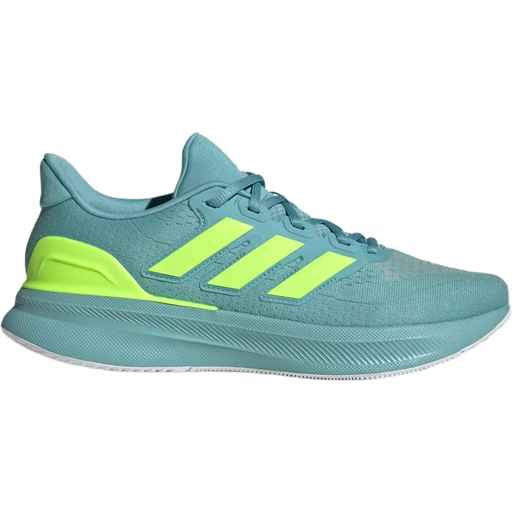
Why it suits this profile: This model is designed for everyday running, light training and casual use. The combination of mesh, a lightweight construction and a rubber outsole makes it a practical choice for anyone looking for one versatile pair.
The product description lists specific materials and intended uses rather than focusing only on a fashionable appearance. The shoe is not positioned as a trail model.
Textile mesh upper, Cloudfoam insole according to adidas and rubber outsole. Clean with a damp cloth.
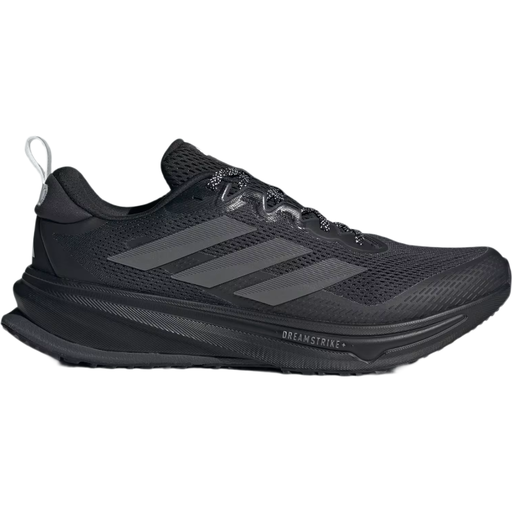
Why it suits this profile: Suitable for anyone looking for a sportier model with a focus on fit and everyday comfort. The ATR designation is linked in the product information to a construction designed for different surfaces.
The product page lists an adjustable lacing system, padded insole and synthetic rubber outsole. This means you can assess the purchase based on clearly stated specifications.
Textile and synthetic materials, padded insole and adjustable laces. Care: wipe with a damp cloth and leave to air-dry.
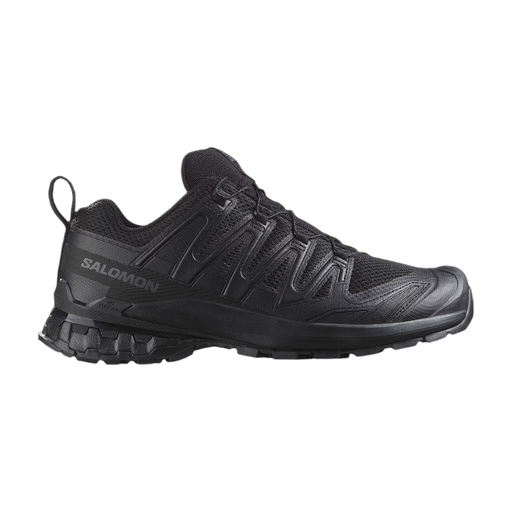
Why it suits this profile: According to the product specifications, this model is suited to trail running, walking and more challenging terrain. It is a more targeted choice than an ordinary casual trainer for anyone who is often active outdoors.
The choice is based on specific features: GORE-TEX membrane, 3D Advanced Chassis, Quicklace and Contagrip sole. According to Salomon, these features support use on wet and uneven paths.
Waterproof GORE-TEX membrane according to the manufacturer, reinforced toe and heel, and a Contagrip rubber outsole with tread.
We have put together a complete, up-to-date list of products that fully meet these strict selection criteria and the applicable European safety regulations.
The choice depends on more than just men’s or women’s trainers. Foot shape, size, activity and the desired fit are more important. Many models are unisex or available in overlapping sizes, while some versions are specifically marketed as women’s models, such as the Nike Dunk Low HM9655-001.
For everyday use, you can also consider:
These models are particularly suited to outfits, work, shopping and walks around town. They are not automatically suitable as running shoes. For longer distances, assess the cushioning, fit and suitability for your running style separately.
That depends on how they are used, the surface, your body weight, care and the materials. Intensive daily use wears down the sole faster than occasional wear. Replace a pair when the sole shows visible uneven wear, the cushioning feels noticeably less effective or the upper no longer holds your foot securely.
For short, easy distances, a casual model may sometimes feel comfortable, but ordinary trainers are not designed for every type of running load. If you run regularly, it is generally best to choose running shoes with a suitable fit, breathable upper and a sole suited to the surface.
They can be, but they are not always necessary. A waterproof membrane can be useful in rain and on wet paths. In warm conditions, a well-ventilated mesh model may feel more comfortable. Compare the climate, surface and how often you will use them before choosing GORE-TEX or another waterproof version.
