
Vandaag of morgen in huis

Kwaliteit gegarandeerd

Welkomstaanbiedingen ontgrendelen: GRATIS bezorging | Tot 80% korting | Gratis 30 dagen JoyPlus-proefperiode
Download de app
Ordering a new pair of shoes online might seem straightforward, but photos and marketing copy don’t always tell the full story. A trainer that looks great might, for example, be too narrow. A running shoe might appear suitable for any terrain, while the sole is actually designed for tarmac. And a water-resistant walking shoe isn’t automatically fully waterproof.
With this guide, you can compare trainers and sports shoes on verifiable features. That way, you’ll find a pair that suits your use, foot shape and clothing style, without paying over the odds for features you don’t need.
A retro profile, eye-catching logo or trendy colour says very little about the fit. The Nike Dunk Low and Converse Chuck Taylor, for example, are recognisable streetwear models, but their construction and sole differ from those of running shoes. So also look at the upper material, the closure, the insole and the sole construction.
Words like “soft”, “light” and “cushioning” are only useful when it’s clear what causes them. A model with an EVA midsole, ABZORB cushioning or a Memory Foam insole can feel very different from a flat canvas trainer. What’s more, the right choice depends on your foot width, walking style and how many hours you’ll be wearing the shoe.
Claims about performance or function come from the product information provided by the brand or seller. So treat them as product specifications, not as a guarantee that every wearer will have the same experience.
A rubber outsole doesn’t automatically offer the same grip on tiles, tarmac, mud and wet stones. For trail running shoes, the tread pattern and rubber compound are important. For lacrosse shoes, the stud configuration is designed for a specific playing surface. A casual trainer might be fine for everyday wear, but not for intensive sport.
Always check the size guide and read whether the model fits true to size, narrow or wide. Ideally, measure your foot at the end of the day with the socks you normally wear. Pay attention to:
Some PELLIOT models distinguish between a standard and a narrow fit. For the LI-NING YUEYING 6, the product information mentions a wider toe box. That can be relevant if you prefer a bit more space at the front, but still check the stated sizes.
Mesh and textile generally let more air through than closed leather or synthetic material. That can be pleasant for running shoes and everyday use. Leather and nubuck can offer a firmer feel and a different look, but they require appropriate care.
Also pay attention to the lining. A mesh upper is not the same as a waterproof membrane. For rainy walks, walking shoes with an explicit waterproof construction are more suitable than ordinary women’s trainers or men’s trainers.
The midsole largely determines how the shoe feels. The New Balance U1906ROA and U1906ROC, for example, mention an ABZORB midsole and Stability Web technology in the product description. Other models use EVA foam.
Also look at the outsole:
Use a sports model for what it’s designed for. A heavier trail or field sole isn’t automatically more comfortable in the office or on the train.
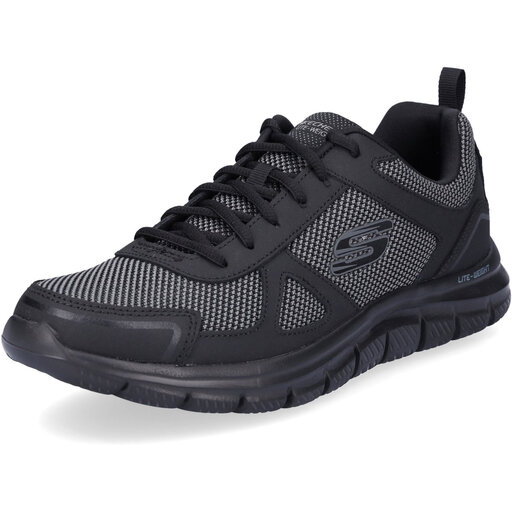
Why this fits the profile: This model is aimed at training and everyday use and, according to the product information, has a normal fit, leather and mesh details and a Memory Foam insole.
The specifications give more information than just the appearance: the size, width D and normal fit help you assess the fit.
Leather and mesh upper; rubber sole; lace closure; Memory Foam insole according to the product description.
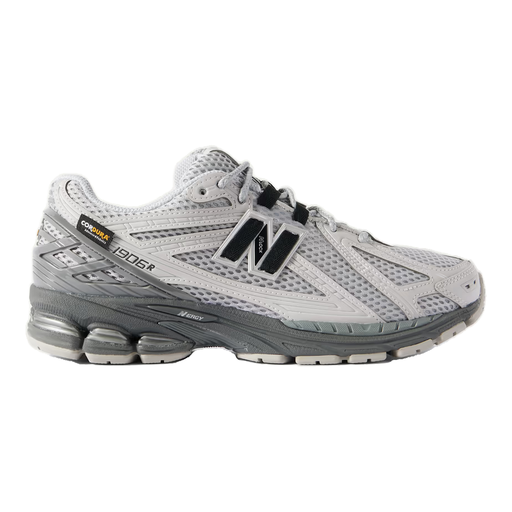
Why this fits the profile: The combination of retro style and technical details suits anyone looking for one pair for leisure, everyday wear and light sporting activities.
The product information mentions specific materials and technologies, so you don’t have to rely solely on the retro look.
Mesh and synthetic upper; ABZORB midsole; Stability Web; rubber outsole according to the product description.
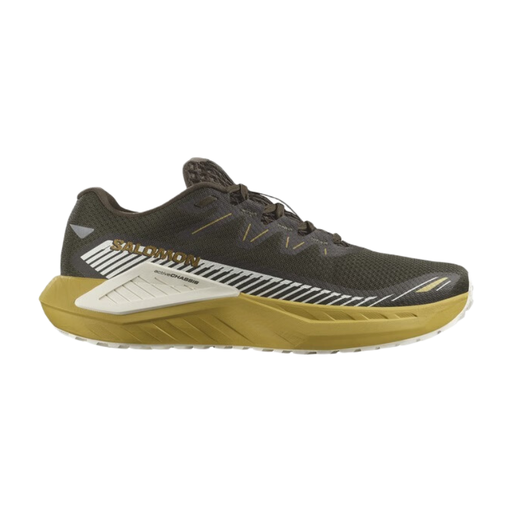
Why this fits the profile: According to the product information, this model is designed for gravel, trail running, walking and mixed outdoor surfaces.
The intended use and sole are clearly stated. This makes it easier not to confuse this model with a flat city or fashion trainer.
Active Chassis, Energy Foam midsole and All Terrain Contagrip rubber sole according to the product description.
The lifespan depends on use, surface, body weight, how often you run and how you care for them. Don’t automatically machine-wash your shoes. Many models in this selection recommend hand cleaning with a soft brush, mild soapy water or a damp cloth. Let shoes air dry away from radiators and direct sunlight. Regularly check the sole, seams and heel lining.
For running shoes and trail running shoes, tread wear is a practical sign that it’s time to compare again. For casual trainers, what matters most is whether the sole still offers enough grip and the construction keeps its shape.
We’ve put together a full, up-to-date list of products that fully meet these strict selection criteria and current European safety regulations.
That varies by brand, model and last. Check the size guide, the stated fit and the foot length in millimetres. Also read whether a model is suitable for a narrow, normal or wide foot. Don’t automatically order the same size as you would from another brand.
There’s no fixed period. Running shoes can wear out more quickly through frequent use on tarmac, while casual trainers mainly wear at the heel and outsole. Replace a pair when the sole becomes visibly smooth, the fit changes or the upper is damaged.
You can with some versatile models, but it depends on the sole and how you use them. A lightweight model for tarmac can be comfortable in the city. Trail running shoes with a coarse tread can feel less pleasant on smooth floors and are mainly intended for unpaved paths.
