
Same-day & Next-day Delivery

Quality Guaranteed

Unlock Your Welcome Offers: FREE Delivery | Up to 80% OFF | Free 30-day JoyPlus trial
Download the APP
A pair of trail running shoes needs to do more than look sporty. Conditions can change quickly on Dutch woodland paths, sandy ground and muddy trails. A shoe that feels comfortable on a dry gravel path may offer little control on wet roots or soft mud.
These are some common pitfalls:
For off-road running shoes, the sole rubber, shape of the lugs and spacing between them all matter. A deep, open tread can shed mud more easily. For a mixed route with tarmac, gravel and woodland paths, a less aggressive tread is often more practical.
Check how the sole is described:
If you’re mainly looking for shoes for muddy trails, choose lugs that are less likely to clog. For walkers, walking shoes with good grip and extra protection around the toe may be more suitable than a very lightweight racing shoe.
Waterproof trail running shoes are especially useful on rainy routes, wet grass and in colder months. The product information for several Salomon models describes a GORE-TEX membrane as waterproof and breathable. It’s worth being precise: this information comes from the brand’s product description and doesn’t guarantee that the shoe will stay dry in every condition.
Also check:
For dry summer routes, a well-ventilated mesh shoe may feel more comfortable. For winter trail running, a water-repellent outer, a warm sock and, if needed, a higher-cut model are all worth considering. On icy routes, also check whether the sole has lugs or spikes.
A stable shoe isn’t necessarily a heavy one. Systems such as Active Chassis and 3D Advanced Chassis are described in product listings as offering support on technical terrain. Energy Foam, EVA and other foam materials mainly affect how the shoe feels underfoot.
Use this checklist:
Men’s and women’s trail running shoes differ in more than just colour or size. The available fit, sizing and model design can vary, so always check the specific size guide for the product.
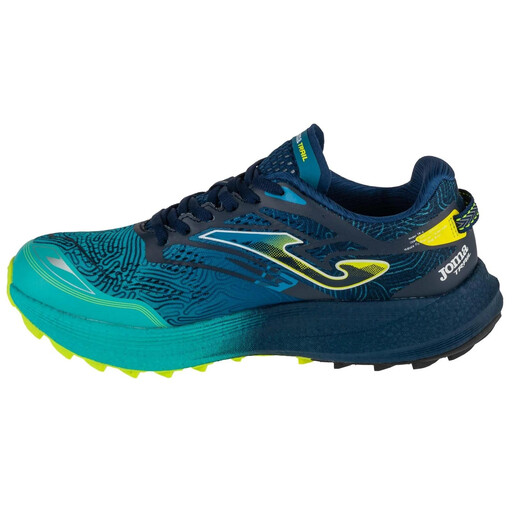
Why it suits this type of runner: The combination of mesh, an EVA midsole and a rubber outsole makes it a good fit for beginner trail runners and everyday outdoor training.
The product description specifically mentions a breathable upper, shock absorption and reinforcement at the toe and heel. Do check that the regular fit suits your foot.
EVA midsole, mesh upper, rubber outsole, reinforced toe and heel.
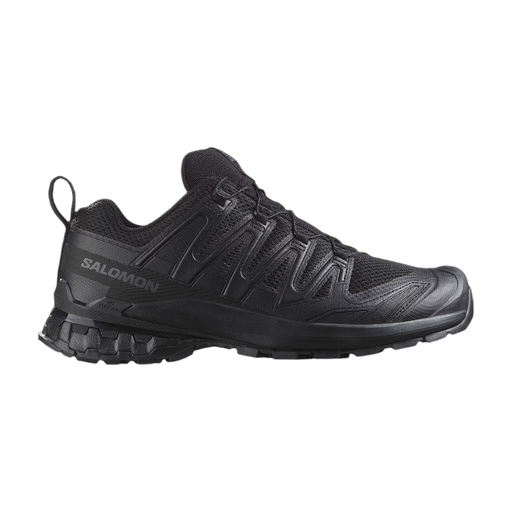
Why it suits this type of runner: According to the product information, this model combines GORE-TEX, 3D Advanced Chassis, Contagrip and Quicklace for technical hikes and trails.
The specifications cover both weather protection and stability, so you don’t have to rely on marketing terms such as “all-round”.
GORE-TEX membrane, 3D Advanced Chassis, Contagrip outsole and Quicklace system.
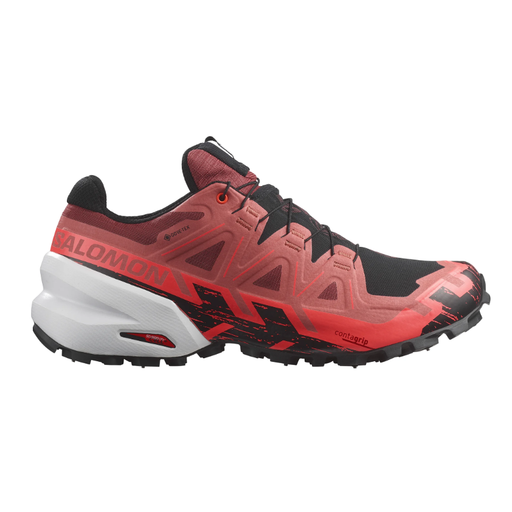
Why it suits this type of runner: For winter routes, this model is designed for snow and ice, according to the product description. It features GORE-TEX and 12 tungsten carbide spikes.
It’s clear what this shoe is designed for. Spikes are useful on ice, but less suitable for prolonged running on tarmac, so check your route beforehand.
Full GORE-TEX construction and 12 metal spikes, according to the product information.
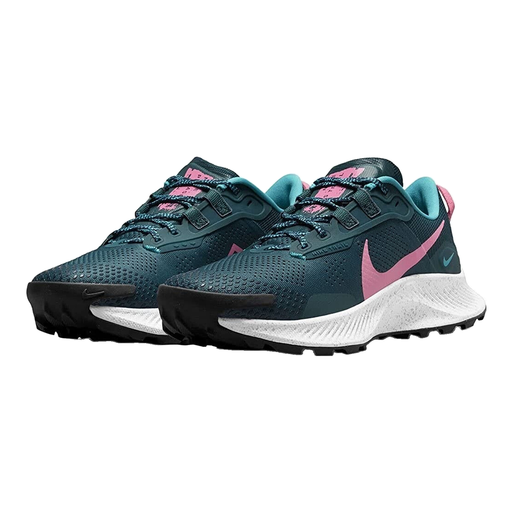
Why it suits this type of runner: The product description positions this model for both trails and urban surfaces, making it a potential fit for commutes, park paths and weekend routes.
It’s designed for more than just technical trails, so you’re less likely to end up with a very aggressive sole for routes with lots of hard surfaces.
React foam midsole, multidirectional lugs and reinforcement at the toe and heel.
Clean your trail running shoes after use with a soft brush or damp cloth. Leave them to dry at room temperature, away from radiators and direct sunlight. Don’t put them in the washing machine without checking first: this can damage the glue, foam and waterproof membranes.
Lifespan depends on your weight, the terrain, how often you run and how well you care for your shoes. Replace them when the tread is noticeably worn smooth, the midsole has permanently compressed or the heel no longer provides support. The product information states that the legal guarantee is at least two years under EU consumer rules; this is separate from normal wear and tear.
We’ve put together a complete, up-to-date list of products that meet these strict selection criteria and the applicable European safety regulations.
Yes, they can be suitable for woodland paths and gravel. For challenging hikes with a rucksack or lots of strain on your ankles, a higher-cut, sturdier walking shoe may offer more support. Focus on the tread, fit and protection.
It depends on how you use them. Regular running on tarmac wears down a trail tread faster than running on soft woodland paths. So check more than just the number of miles you’ve covered: look at the wear on the lugs, the cushioning and the heel construction.
Trail shoes with GORE-TEX can be practical in rain, wet grass and mud. On warm, dry days, a well-ventilated mesh model may feel more comfortable. Choose based on the routes you run, not just the “waterproof” label.
