
Vandaag of morgen in huis

Kwaliteit gegarandeerd

Welkomstaanbiedingen ontgrendelen: GRATIS bezorging | Tot 80% korting | Gratis 30 dagen JoyPlus-proefperiode
Download de app
Trail running shoes need to do more than ordinary running shoes. On Dutch forest paths, tarmac, mud, gravel and tree roots can follow one another in quick succession. A shoe that feels comfortable on the road may not provide enough grip on wet leaves. Conversely, a heavy trail shoe can feel uncomfortable during long stretches on tarmac.
That is why the right choice starts not with colour or a brand name, but with the terrain, your running style and verifiable product specifications.
A rubber outsole does not automatically mean that a shoe is suitable for mud or wet rocks. Check the tread pattern, the rubber compound used and the description of the intended terrain. A moderate tread may be sufficient for forest paths and gravel. For muddy slopes, deeper and clearly defined lugs are more practical.
Also pay attention to the difference between an anti-slip outsole and general marketing language such as “traction”. A brand’s product description may state that an outsole provides grip on certain surfaces, but this is not a guarantee for every situation.
A waterproof membrane, such as GORE-TEX in certain Salomon trail shoes, helps keep rain and splashes out. However, moisture can also enter through the ankle opening. Waterproof models also tend to ventilate differently from fully open-mesh shoes.
For dry summer days and intense runs, breathable running shoes with sandwich mesh may feel more comfortable. For wet walks, rainy routes and cold conditions, a waterproof construction may make more sense.
A shoe can have the correct length according to the size chart and still pinch at the toes or slip at the heel. Trail running requires extra attention to:
Measure your feet at the end of the day and compare the measurement in millimetres with the product table. The PELLIOT models, for example, distinguish between a standard and a slim fit.
The midsole determines how much contact with hard ground you feel. EVA foam is commonly used in well-cushioned running shoes. Its properties vary depending on the composition and thickness, however. A soft midsole can feel comfortable on tarmac, while a slightly firmer construction may provide more control on uneven terrain.
For a combination of city streets and woodland, lightweight running shoes with a responsive EVA midsole are practical. If you mainly run on technical trails, you should also consider stability and protection around the heel and toes.
Do not just look at the brand; consider the intended use:
An outsole with All Terrain Contagrip or ROCKYTEC is linked in the relevant product description to grip on multiple surfaces. Treat this as the brand’s product specification and match your choice to your own route.
Mesh is lightweight and generally allows more air to pass through. A woven upper or TPU reinforcement can provide extra protection against branches and stones. These materials may be less flexible than a fully textile upper, however.
For short sessions in dry weather, breathable materials are often sufficient. On wet routes or rougher terrain, protection around the toe box and heel is more important. Also check the care instructions: some shoes may only be cleaned with a damp cloth and should be left to air-dry.
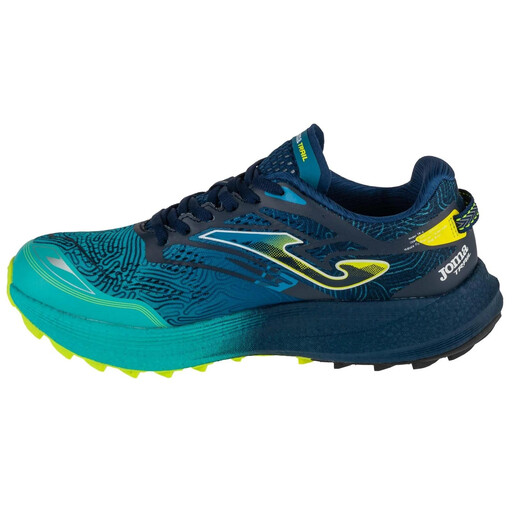
Why it suits this profile: A versatile model for everyday training, gravel and easy trails. The regular fit and mesh construction are practical for anyone looking for one pair for a range of outdoor activities.
The description mentions a high-traction rubber outsole, mesh for ventilation, and reinforced toe and heel areas. However, check that size 44 and the regular width suit your feet.
EVA shock absorption, breathable mesh and reinforced sections according to the product information.
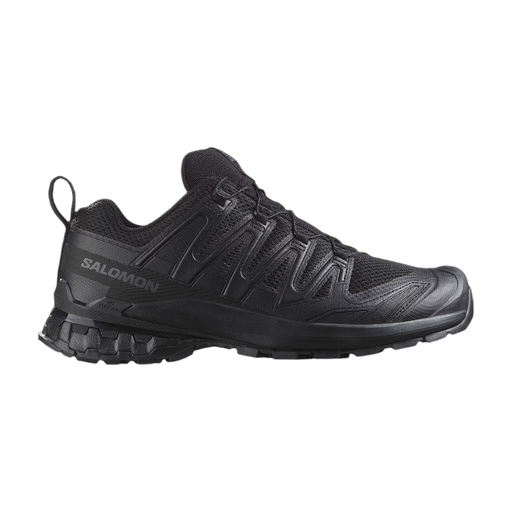
Why it suits this profile: Designed for walkers and trail runners who are often active in wet conditions or on technical terrain.
The product description mentions a GORE-TEX membrane, 3D Advanced Chassis and Contagrip outsole. Bear in mind that waterproofing is not the same as maximum ventilation.
Waterproof membrane, Quicklace system and stability construction according to the product details.

Why it suits this profile: For runners seeking a lightweight model for the transition from tarmac to woodland, gravel and other terrain.
The product description mentions sandwich mesh, woven fabric and a more abrasion-resistant upper. According to the brand description, the ROCKYTEC outsole is intended for wet rocks, mud and sand, among other surfaces.
Lightweight upper, EVA midsole and a choice of standard or slim fit.
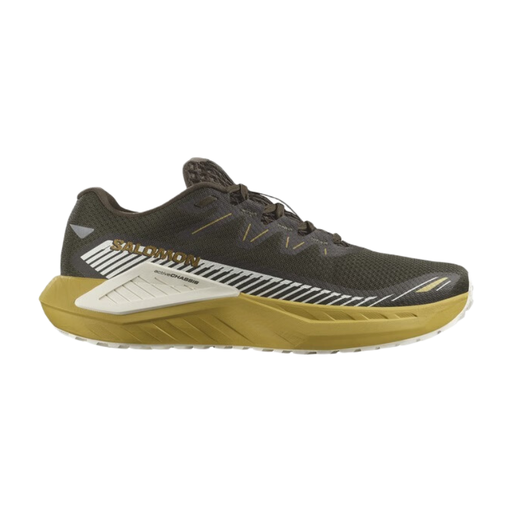
Why it suits this profile: An option for anyone who values stability on gravel and mixed paths but does not want a heavy mountain shoe.
The product details mention Active Chassis for support, Energy Foam in the midsole and All Terrain Contagrip. Your choice still depends on the fit and the surface you run on.
Stability construction, breathable mesh and a rubber outsole for wet and dry surfaces according to the product description.
We have compiled a complete, up-to-date list of products that fully meet these strict selection criteria and the applicable European safety regulations.
Remove mud after every wet outing with a soft brush or damp cloth. If possible, take out the insole and let the shoes dry at room temperature. Direct heat can damage materials and adhesive bonds. Only machine-wash them if the product instructions explicitly allow it.
Lifespan depends on your running weight, distance, surface and care routine. Regularly check whether the tread is visibly worn, the midsole has become permanently compressed or the heel no longer provides support. When there is clear wear, grip and fit will change, even if the upper still looks neat.
You can with models designed for mixed terrain, but the tread may wear more quickly on tarmac. If you mainly run on the road, ordinary running shoes with a road outsole are generally the more practical choice. For routes combining tarmac, gravel and forest paths, a hybrid model is a sensible middle ground.
Your toes should not touch the front when you are walking or running downhill. As a general rule, allow about a finger’s width of space without letting your foot slide inside the shoe. Always use the size chart for the specific model, as EU sizes can vary between brands and lasts.
There is no fixed timeframe. Look at the tread, cushioning, stability and any cracks in the upper. Frequent running on stone, tarmac or wet terrain accelerates wear. Replace your shoes when the construction no longer provides adequate support for your use, rather than simply based on the age of the pair.
