
Vandaag of morgen in huis

Kwaliteit gegarandeerd

Welkomstaanbiedingen ontgrendelen: GRATIS bezorging | Tot 80% korting | Gratis 30 dagen JoyPlus-proefperiode
Download de app
A pair of trail running shoes needs to do more than a standard running shoe. On Dutch woodland paths, tarmac, mud, wet leaves and loose stones can follow one another within minutes. Yet many people choose a model based solely on its appearance, a familiar brand name or the promise of “extra grip”. That can result in an unsuitable purchase after just a few walks or training sessions.
Waterproof trail running shoes with a GORE-TEX membrane can keep out rain and splashes more effectively, but they are not automatically the right choice for warm days. A sealed construction may feel less airy than an open mesh upper. Water can also enter through the ankle opening when you walk through deep puddles.
So consider how you plan to use them. GORE-TEX shoes are practical for wet autumn trails. For dry, warm training sessions, a breathable model without a membrane may feel more comfortable.
Deep lugs generally provide more grip in soft mud, but they can be less comfortable on tarmac or hard-packed woodland paths. Metal spikes are designed for specific wintry conditions and are not suitable for everyday use on paved roads.
Pay attention to the combination of rubber compound, tread and surface. “Shoes with good grip” does not mean that one outsole will perform equally well on every surface.
A firm sole or high ankle construction can provide protection, but a last that is too narrow can cause pressure points. A shoe that is too roomy may slide around on descents. Check not only the EU size, but also the available width, the space around your toes and how securely the heel is held.
A Quicklace or traditional lacing system helps you adjust the fit, but it cannot replace a suitable last.
Check the outsole for:
For example, the Salomon models in this selection specify a Contagrip outsole. The Speedcross models are described as having a more aggressive tread for soft, muddy and technical terrain. These are product specifications taken from the product information; the actual grip also depends on wear, running technique and the terrain.
With GORE-TEX shoes, the membrane is central to their performance. According to Salomon’s product descriptions, GORE-TEX is intended to protect against moisture, while the synthetic mesh and textile upper supports breathability. Also check:
For longer routes, cushioning and a stable base are important. An EVA midsole, Energy Foam or ABZORB material tells you something about the construction, but not automatically how the shoe will feel on your feet. Fit is still personal.
For technical terrain, a reinforced toe box, heel support and a stability plate are useful specifications. The Salomon XA Pro 3D v9 GTX specifies a 3D Advanced Chassis for support on technical trails. The X Ultra models are more geared towards walking and trekking than fast running.
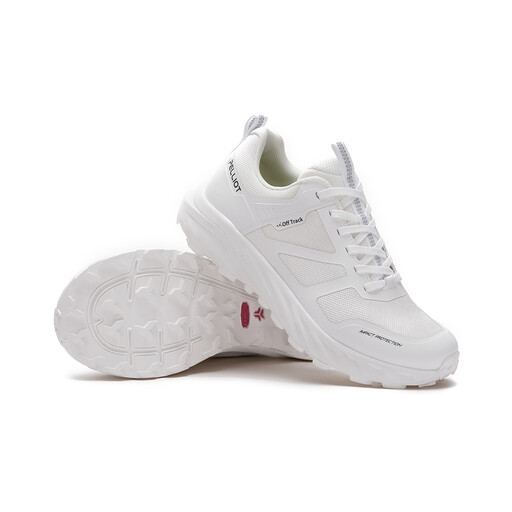
Why it suits this profile: A versatile entry-level model for anyone switching between paved paths, parks and light trails. According to the product information, the standard fit is designed to suit most feet.
The product specifies a breathable mesh upper and a ROCKYTEC rubber outsole. No waterproof membrane is mentioned, making it a clearer choice for drier conditions.
Lightweight mesh, an EVA midsole and a choice of standard or slim fit according to the product information.

Why it suits this profile: For runners and hikers looking for one pair for wet routes, technical trails and walks on changing surfaces.
The product information specifies GORE-TEX, a 3D Advanced Chassis and a Contagrip outsole. This means the water protection, stability and outsole type can be checked in advance.
GORE-TEX membrane, Quicklace system and reinforced toe and heel areas according to the product description.
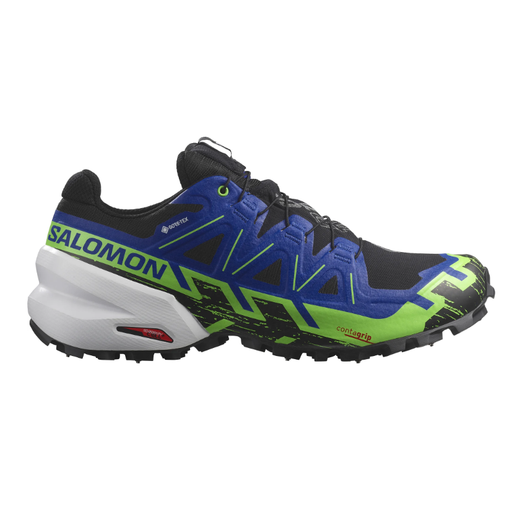
Why it suits this profile: Designed for winter trail running and outdoor activities on snow or ice, rather than everyday running on tarmac.
The product description explicitly specifies 12 tungsten carbide spikes and a full GORE-TEX construction. Its intended use is therefore more specific than that of general hiking shoes.
12 metal spikes, GORE-TEX protection and a Speedcross fit according to the listed product specifications.
We have put together a complete, up-to-date list of products that fully meet these strict selection criteria and the applicable European safety regulations.
Choose off-road running shoes when you want to run lightly and at a relatively fast pace. For long walks with a backpack, walking shoes or mid-cut hiking shoes are often the more logical choice because of their additional support. According to the product information, the Salomon X Ultra 4 Mid Wide GTX has a wide fit, GORE-TEX membrane and Contagrip outsole. This makes this type of shoe more suitable for walking and trekking than for fast trail training.
For everyday use on the road, standard running shoes such as the adidas Runfalcon 5 are more geared towards road use. The product description mentions Cloudfoam, a mesh upper and an Adiwear outsole, among other features. Do not use this type of model as a substitute for a technical trail shoe when mud, loose stones or steep paths are central to your route.
Measure your foot at the end of the day and compare its length with the size chart for the specific model. Ideally, try shoes on with the socks you wear for trail running. When going downhill, leave roughly a finger’s width of space around your toes without allowing your heel to lift.
Clean shoes with a soft brush and lukewarm water. Many models must not be put in the washing machine or bleached, and should be left to dry away from direct heat. Lifespan depends on how often you run, your weight, the terrain, tread wear and maintenance. Replace a pair when the lugs are clearly worn, the sole becomes misshapen or the fit no longer feels stable. The legal guarantee for the products mentioned is at least two years according to the product information and EU consumer rules; this is separate from normal wear and tear.
They can be, but a GORE-TEX membrane is especially useful in rain, wet grass and mud. For warm, dry training sessions, a breathable mesh model may feel more comfortable. Consider your route rather than just the “waterproof” label.
There is no fixed timeframe. Intensive running on tarmac wears down a trail tread more quickly than use on soft woodland ground. Regularly check the lugs, midsole, seams and heel stability. A worn outsole can reduce grip and affect how the shoe feels when running.
Usually, yes, for short walks, as long as the surface and level of use suit the model. For multi-day trips, heavy backpacks or additional ankle support, hiking shoes or mid-cut walking shoes are often the more logical choice.
