
Vandaag of morgen in huis

Kwaliteit gegarandeerd

Welkomstaanbiedingen ontgrendelen: GRATIS bezorging | Tot 80% korting | Gratis 30 dagen JoyPlus-proefperiode
Download de app
At first glance, trail running shoes look very similar to ordinary running shoes. But mud, loose stones, wet roots and uneven paths call for different features. A pair that feels comfortable on tarmac may not offer enough grip or stability on a woodland slope.
The right choice depends on more than colour or brand. Focus on the terrain, the fit and protection from moisture. The tips below can help you avoid paying for features you won’t use.
Deep lugs are useful on soft woodland trails and in mud. On tarmac or hard gravel paths, however, they can feel uncomfortable and wear down more quickly. For mixed routes, all-terrain tread patterns are often more practical than a sole designed exclusively for mud.
GTX stands for a GORE-TEX membrane. According to the product specifications, this membrane helps keep moisture out while allowing the material to breathe. That makes GTX models suitable for rainy trails and wet grass. However, water can still get in through the collar, tongue or top of the shoe if you walk through deep puddles.
Waterproof trail running shoes are therefore most useful in conditions that are regularly wet. In warm weather, a model with an open mesh upper may feel more breathable.
Plenty of cushioning can feel comfortable over longer distances, but it tells you nothing about grip or lateral stability. Check the sole, heel construction and any reinforcements around the toes too. A soft shoe without enough support may feel less secure on uneven ground.
For wet soil, mud and loose ground, look for trail running shoes with good grip. Check:
According to the product information, Salomon Speedcross models use a Contagrip TA sole with deep grooves. This makes them suited to soft and mixed terrain. For gravel running shoes or routes with lots of tarmac, a less aggressive tread is often a better choice.
Choose GTX trail running shoes if you often run in the rain, through wet woodland or in muddy areas. A membrane can offer better protection from moisture, but a non-GTX mesh model will generally dry more easily if it does get wet.
Also check the tongue construction and the height of the shoe. Water can get in more easily over the top of a low-cut model. For longer walks on wet terrain, GTX hiking shoes or a mid-cut hiking shoe may offer more coverage.
A good fit helps prevent your foot from sliding forwards on descents. When trying shoes on, look for:
Women’s and men’s trail running shoes may differ in their lasts and sizing. Always check the size guide for the specific model. A Quicklace system can be adjusted quickly on the go, but it can’t make up for the wrong size.
Stability features matter on technical terrain. According to the product specifications, the Salomon XA Pro 3D v9 GTX has a 3D Advanced Chassis and reinforced heel and toe areas. These are verifiable design features that may be particularly useful on rocky trails and walks with a backpack.
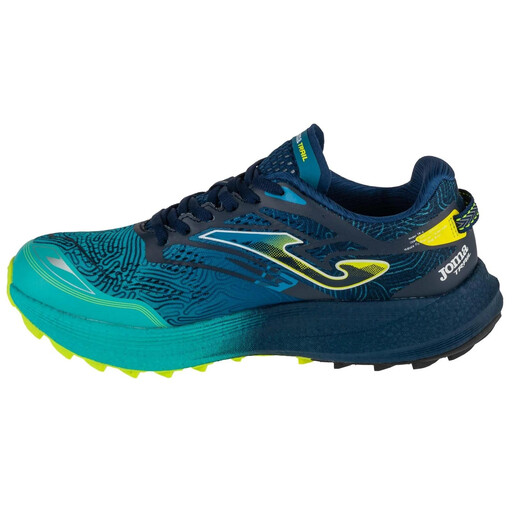
Why it suits this profile: This model is designed for everyday training and trail routes, with a breathable mesh upper and a regular fit. A practical option if you’re looking for your first pair for off-road terrain.
The product information highlights more than comfort: it also mentions a high-traction rubber sole and reinforced toe and heel areas. Just make sure the fit and size 44 are right for your feet.
Breathable mesh, an EVA midsole for shock absorption and a rubber outsole. The stated fit is regular, with a shoe width of D.
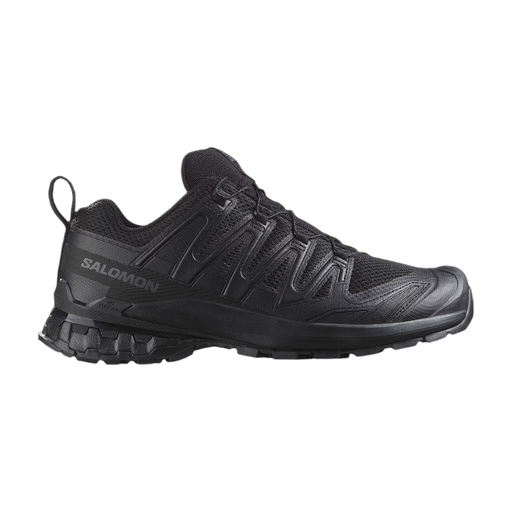
Why it suits this profile: Designed for people who combine trail running with hiking and technical routes. The combination of GTX, chassis construction and reinforcements is suited to varied, tougher conditions.
The specifications list a GORE-TEX membrane, 3D Advanced Chassis and reinforced toe and heel areas. So you don’t have to rely solely on marketing terms such as “all weather”.
GORE-TEX, Quicklace, Contagrip rubber and a construction designed for technical trails, according to the product description.

Why it suits this profile: According to the product specifications, these women’s trail running shoes are designed for muddy and mixed terrain. They’re a good match for runners who often train in wet Dutch woodland.
The deep grooves and GORE-TEX membrane make the specifications clear. However, this tread isn’t ideal for routes that are all tarmac, where a less aggressive sole may be more practical.
Contagrip TA sole, Quicklace, SensiFit construction and EnergyCell+ midsole. The listed size is 36.
We’ve put together a complete, up-to-date list of products that meet these strict selection criteria and the applicable European safety regulations.
Yes, they can be suitable for short walks on woodland trails. For heavy backpacks, long-distance hikes or extra ankle support, hiking shoes or mid-cut GTX hiking shoes are often a better choice. Focus on comparing the model’s stability, sole stiffness and height.
Their lifespan depends on distance, body weight, terrain and care. Mud, tarmac and sharp stones all put different demands on the sole. Replace your shoes when the tread is clearly worn down, the midsole has permanently compressed or the heel no longer feels stable. Don’t judge by mileage alone.
No. Waterproof models are practical in the rain and on wet trails, but they can feel warmer. For dry summer routes or intense exercise, a breathable mesh model may feel more comfortable. Choose GTX when protection from moisture matters more to you than maximum breathability.
Finally, check the size, returns policy, care instructions and product specifications before you order. Under European consumer rules, these products come with a minimum two-year legal guarantee; additional rights may apply under the relevant national legislation.
