
Vandaag of morgen in huis

Kwaliteit gegarandeerd

Welkomstaanbiedingen ontgrendelen: GRATIS bezorging | Tot 80% korting | Gratis 30 dagen JoyPlus-proefperiode
Download de app
Trail running demands more from your shoes than a lap on tarmac. On Dutch woodland paths, mud, wet leaves, sand and paved sections can follow one another in quick succession. A pair that feels comfortable in the shop may offer too little grip outdoors, or feel too heavy and warm.
The right trail running shoes depend on the terrain, distance and level of protection you prefer. Read on to find out what to look for, which marketing claims to treat with caution and which models suit different types of runner.
A deep sole may work well in mud, but feel less comfortable on tarmac or hard-packed woodland trails. Check the type of lugs and the surfaces the sole is designed for, according to the product information. Deep grooves are useful on soft trails; a more balanced tread is often more practical on mixed terrain.
Also check the rubber compound. Brand names such as Contagrip or ROCKYTEC aren’t a universal guarantee. Always check the official product description and intended use.
Waterproof trail shoes with a membrane, such as GORE-TEX running shoes, can keep out rain and puddles more effectively. However, water can still get in through the ankle opening. A waterproof shoe may also be less breathable than an open mesh design.
For dry summer days or long runs, a breathable upper may feel more comfortable. A membrane can be useful on wet trails, rainy walks and muddy routes.
A soft midsole feels comfortable on flat ground, but doesn’t automatically provide enough support on stones or sloping paths. As well as cushioning, check the heel construction, fit and any stability features.
A shoe designed for mountain running or technical terrain often has extra protection around the toe and heel. This can give you more confidence, but may also add weight and stiffness.
For Dutch trails, shoes with good grip are particularly important on wet clay, roots and loose ground. Look out for:
According to Salomon’s product information, a GORE-TEX membrane is used to combine water resistance with breathability. This is a brand claim about the construction; your experience will depend on the intensity of the rain, how much you sweat and the fit.
On non-waterproof models, mesh and textile uppers often allow more airflow. These are suitable for dry conditions and road-to-trail routes, but offer less protection from rain and wet grass.
Ideally, measure your feet at the end of the day and compare their length with the size chart for the specific model. When trail running, allow for:
Women’s and men’s trail running shoes don’t just differ in colour. The last, support and available sizes can vary between models. Check the specific product details rather than relying on the label alone.
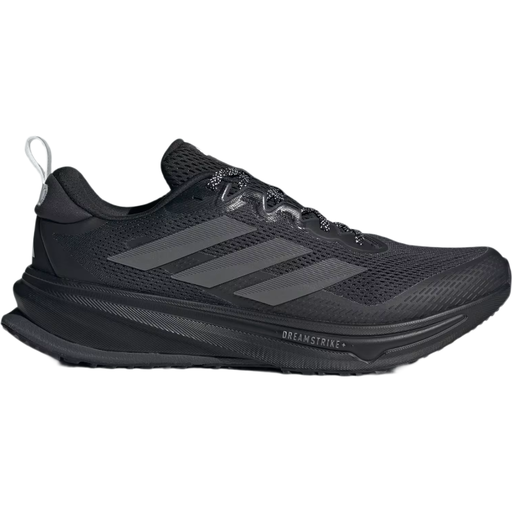
Why it suits this type of runner: A versatile option for anyone starting out with running, woodland paths and everyday wear. According to the product information, the ATR construction is designed for a variety of surfaces.
The specifications don’t mention an extremely aggressive lug pattern or a waterproof membrane. It’s therefore clear that this is an all-round option, rather than a technical shoe for muddy trails.
Padded insole, adjustable laces and an upper made from synthetic material and textile.
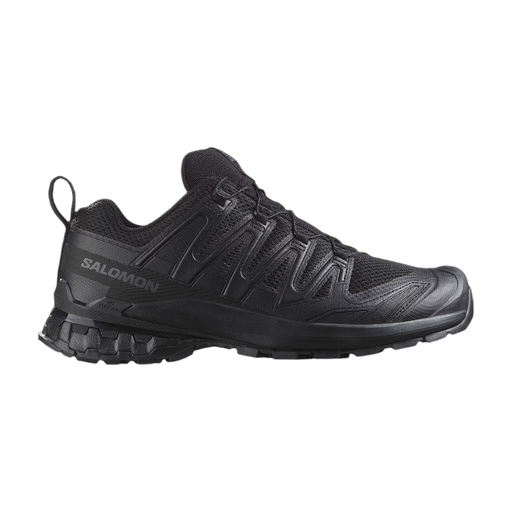
Why it suits this type of runner: Designed for people who combine trail running with hiking and technical paths. The product information lists a GORE-TEX membrane and 3D Advanced Chassis.
The combination of water protection, a reinforced toe and heel, and a stability construction makes its features easy to check.
GORE-TEX, a Contagrip sole, Quicklace and extra support, according to the manufacturer’s information.

Why it suits this type of runner: A women’s model for soft, muddy and mixed trails. According to the product description, GORE-TEX, a deep Contagrip TA sole and Quicklace are key features.
Its features are linked to a specific type of terrain. This avoids presenting an aggressive tread as suitable for every route without any context.
Water-resistant membrane construction, deep grooves and a supportive SensiFit fit, according to the product information.
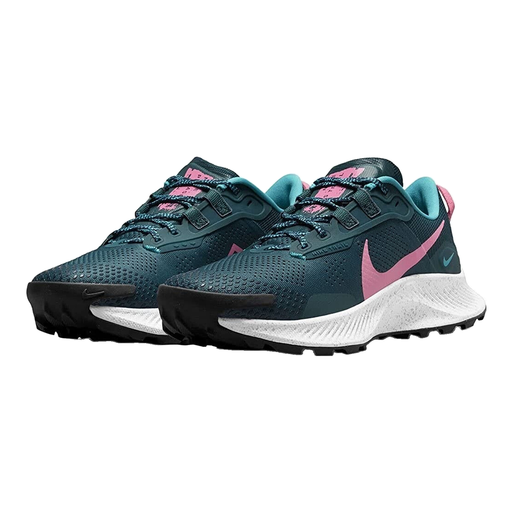
Why it suits this type of runner: A good choice if you combine city streets, parks and paved woodland routes. The product information lists React foam, a mesh upper and multidirectional lugs.
The model isn’t positioned solely as a heavy mountain shoe. Its suitability for both trails and city use makes it a clearer choice for mixed routes.
React midsole, breathable mesh and reinforced toe and heel, according to the product description.
We’ve put together a full, up-to-date list of products that meet these strict selection criteria and the applicable European safety regulations.
Remove mud after every outing with a soft brush or damp cloth. Don’t use harsh cleaning products unless recommended by the manufacturer. Let outdoor shoes dry at room temperature and don’t put them on a radiator. Heat can damage glue, foam and waterproof layers.
Check the sole, seams and heel lining regularly. If the tread starts to look worn flat or the heel no longer feels stable, it’s time to reassess your pair. Lifespan depends on your body weight, terrain, how often you run, the surface and how well you look after your shoes.
Yes, they’re perfectly suitable for light walks and woodland paths. Trail shoes are often lighter and more flexible than traditional walking shoes. For heavy backpacks, long mountain hikes or routes that put a lot of strain on your ankles, a sturdier hiking shoe may be a better choice.
No. They’re practical in the rain, on wet grass and in mud, but a breathable mesh model may feel more comfortable in warm, dry weather. Choose according to the conditions you encounter most often, and check that the product information specifically mentions a membrane.
Prices vary depending on the brand, construction and materials. Don’t compare price alone: also consider the sole type, water protection, fit and the conditions you expect to use the shoes in. A cheaper model may be enough for recreational woodland routes, while committed runners may benefit more from extra reinforcement and a specialist sole.
