
Vandaag of morgen in huis

Kwaliteit gegarandeerd

Welkomstaanbiedingen ontgrendelen: GRATIS bezorging | Tot 80% korting | Gratis 30 dagen JoyPlus-proefperiode
Download de app
A pair of trail running shoes needs to do more than look sporty. On Dutch woodland paths, you may encounter mud, wet leaves, loose stones and stretches of tarmac between two off-road sections. If you only consider the brand, colour or discount, you could end up with shoes that are too slippery, quickly become saturated or feel uncomfortable.
As a Joybuy Product Recommendation Officer, I filter the most important product specifications and compare them with the intended usage scenario. This helps you see more quickly which features are relevant and which marketing terms say little about your route.
Waterproof trail running shoes with a membrane, such as GORE-TEX, are designed to keep out rain and splashes, according to the product description. This is practical on wet grass and muddy trails. At the same time, a waterproof shoe can feel warmer than a fully open mesh model. For dry, high-intensity summer training, ventilation may therefore be more important than maximum water protection.
Also consider the shoe’s height. Waterproof material will not stop water entering through the collar if you step into a deep puddle.
Deep lugs are useful on soft woodland ground, mud and loose soil. On lots of tarmac or hard stone, they can feel less smooth and wear out more quickly. A sole designed for mixed terrain is more practical in this case. So do not just look for the words “good grip”; consider the type of rubber, the shape of the lugs and the surfaces the model is intended for.
Salomon trail running shoes and Nike trail running shoes have different last shapes and lacing systems. Even within the same brand, the fit can vary from one model to another. A shoe that is too short leaves little room during descents, while a heel that is too roomy can cause your foot to slide.
Always check the available size, the returns policy and whether you have enough room when wearing the socks you normally use. Product sizes in the selection may vary by model, for example 38 2/3, 41 1/3 or 42 2/3.
For shoes for muddy trails, deep, sharp or multidirectional lugs are generally a practical choice. The product descriptions for various Salomon models mention a Contagrip sole for wet, loose or technical surfaces. This is a product specification, not a guarantee of the same grip in every terrain or weather condition.
For gravel paths and a combination of road and trail, a less aggressive tread may feel more comfortable. According to the product information, the Salomon DRX DEFY GRVL uses an All Terrain Contagrip sole and is designed for gravel and mixed routes.
A GORE-TEX membrane is described in the product information for the selected models as a waterproof and breathable layer. This makes these shoes an interesting option for rainy walks and wet trails. Models without a membrane, such as the Nike Pegasus Trail 3, use a breathable mesh upper according to the description. This may be appealing when ventilation and low weight are the priorities.
According to the product information, the Nike Manoa uses nubuck leather with a water-repellent construction. This is different from a shoe marketed as a GORE-TEX walking shoe. Compare the exact description rather than simply searching for “water-resistant”.
A soft midsole can feel comfortable over longer distances, but stability also depends on the sole width, heel construction and terrain. The Nike Pegasus Trail 3 lists React foam in the midsole. According to the product specifications, the Salomon X Ultra 4 Mid GTX has EnergyCell cushioning and a mid-height collar.
For technical trails, a reinforced toe and heel are useful for protection against stones and roots. For light walks, they are less important than low weight and a comfortable fit.
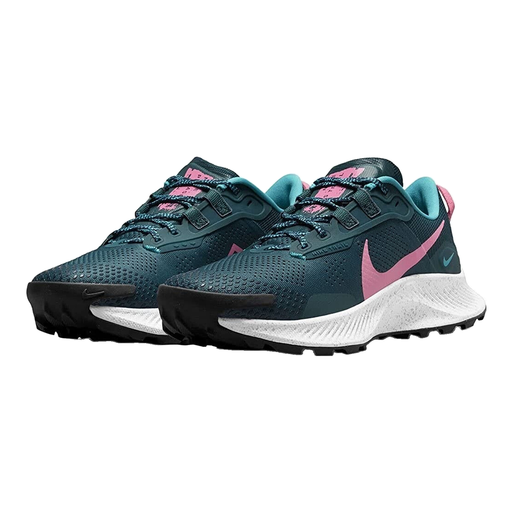
Why it suits this profile: According to the product description, this model is designed for trail running, city use and outdoor activities. That makes it a logical choice for beginners who want to combine different surfaces.
According to the product specifications, the multidirectional lugs are designed to provide grip on trails and in the city. The mesh upper makes it clear that this is not a waterproof model.
React foam in the midsole, mesh for ventilation, and a reinforced toe and heel according to the product description.
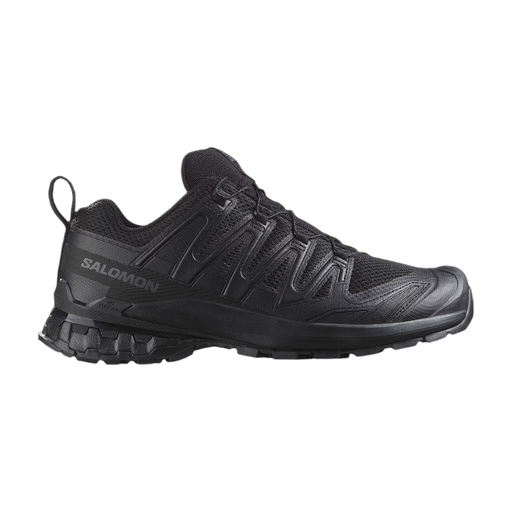
Why it suits this profile: For anyone combining technical trails, wet weather and walking, this model brings several targeted features together in one shoe.
The combination of GORE-TEX, 3D Advanced Chassis and Contagrip is more specific than a general claim about performance on every type of terrain.
GORE-TEX membrane, Quicklace system, stability construction and Contagrip rubber according to the product details.
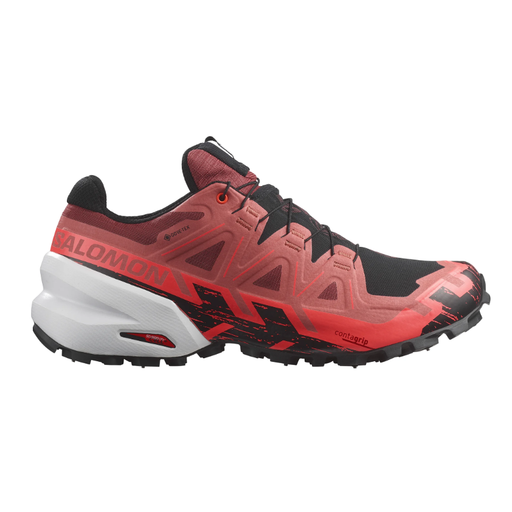
Why it suits this profile: This model is designed for winter trails, snow and ice. It is therefore more specialised than ordinary outdoor or hiking shoes.
The product information explicitly mentions 12 tungsten-steel spikes and a fully waterproof GORE-TEX membrane. This clearly defines the intended use.
Spikes for winter surfaces, a waterproof construction and a Speedcross fit according to the product description.
We have put together a complete, up-to-date list of products that fully meet these strict selection criteria and the applicable European safety regulations.
Clean trail running shoes after a muddy outing using a soft brush or damp cloth. Do not put them in the washing machine unless the care label explicitly allows it. Leave shoes to air-dry away from radiators and direct heat. According to the care instructions, harsh cleaning products can affect the performance of the membrane in GORE-TEX models.
Lifespan depends on distance, weight, surface, rotation and storage. Replace your shoes when the tread is visibly worn down, the sole starts to come away or the fit no longer feels stable. There is no fixed timescale that applies to every pair.
Yes, many models can also be used as outdoor or hiking shoes. A trail model is often lower and lighter, while a mid-cut walking shoe such as the Salomon X Ultra 4 Mid GTX offers more ankle coverage. Choose based on the terrain, distance and level of support you want.
Not always. Waterproof trail running shoes are practical for rain, wet grass and mud. If you mainly run on dry paths or train in warm weather, a breathable mesh model may feel more comfortable. Waterproofing is therefore a matter of intended use, not an automatic requirement.
Measure both feet at the end of the day and compare the longer foot with the brand’s size chart. Leave some room for your toes on descents, but make sure your heel does not slip. Ideally, try on trail running shoes with your usual sports socks and check the model’s specific size designation.
