
Vandaag of morgen in huis

Kwaliteit gegarandeerd

Welkomstaanbiedingen ontgrendelen: GRATIS bezorging | Tot 80% korting | Gratis 30 dagen JoyPlus-proefperiode
Download de app
A pair of trail running shoes needs to do more than look sporty. On Dutch trails, tarmac, wet woodland, gravel and mud can follow one another in quick succession. A shoe that feels comfortable on dry ground may suddenly offer too little grip when it rains. Walkers also regularly make the wrong choice by using running shoes for long walks with a heavy rucksack.
As a Joybuy Product Recommendation Officer, I filter the key product specifications out of the marketing language. This helps you see which features are relevant to your needs and which pitfalls you can avoid before buying.
A membrane such as GORE-TEX can help keep rain and splashing water out. That does not mean the shoe will stay dry in all conditions. Water can enter through the ankle opening, and a waterproof shoe often ventilates differently from an open-mesh model. For short runs through wet grass, waterproof trail shoes can be practical; on warm summer days, breathable, non-waterproof shoes may feel more comfortable.
Deep lugs are useful in soft mud, but they are not automatically ideal on paving, tarmac or slippery tree roots. Check the type of outsole rubber, the direction of the lugs and the intended terrain. Trail shoes with excellent grip in mud are not always the most comfortable choice for a route made up of half paved roads.
A toe box that is too narrow can put pressure on your toes during descents. A heel that is too roomy, on the other hand, can cause your foot to slide. Also consider the difference between a low-cut trail running shoe and a mid-cut model. If you are looking for extra ankle coverage, certain walking or hiking shoes may be a better option. For wide feet, it is worth checking wide walking shoes, such as a Wide version.
Look at the outsole construction and lug pattern:
According to Nike’s product description, a rubber outsole with multidirectional lugs can provide support on rocky paths and urban surfaces. Salomon lists Contagrip outsoles on various models for wet and dry surfaces. These are product specifications, not a guarantee that every user will experience the same level of grip.
With waterproof trail shoes, it is important to check whether the product actually has a membrane. The models in this selection with GORE-TEX specify a waterproof membrane construction in their product information. Also pay attention to:
A water-repellent outer layer is not the same as a fully specified GORE-TEX construction. For example, the Nike Manoa is described as having a water-repellent construction, while it is not a trail running shoe but a taller trekking and winter boot.
For uneven terrain, a firm heel counter, a close-fitting upper and sufficient torsional stiffness are all important. A mid-cut model can provide more ankle coverage, while a low-cut shoe generally allows freer movement when running. Always check the available size and allow for thicker walking socks.
Technologies such as React foam, EnergyCell, Active Chassis and Quicklace are brand-specific terms. According to the product information from the relevant brands, they are designed to provide cushioning, support or an adjustable fit. Treat these features as points of comparison, rather than a promise of a particular running experience.
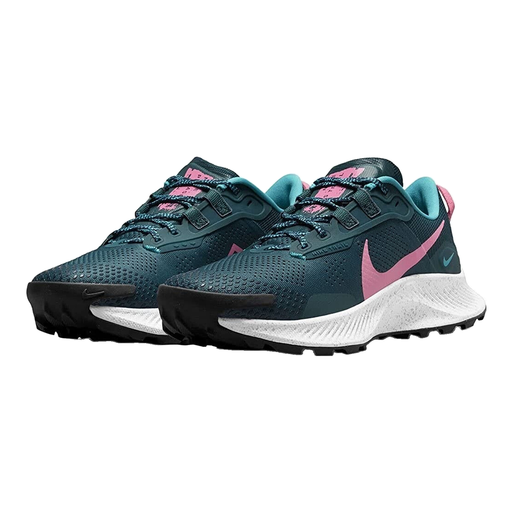
Why it suits this profile: The combination of trail use and urban surfaces makes this model practical for beginners who alternate between different types of route.
The product description mentions a rubber outsole with multidirectional lugs and a reinforced toe and heel. Still, check that your selected size is available.
React foam in the midsole, breathable mesh and an outsole for both trail and urban use.

Why it suits this profile: This model is aimed at people who combine trail running and walking on technical, rocky terrain.
The specifications list both a GORE-TEX membrane and the 3D Advanced Chassis. This means waterproofing and stability can be assessed separately.
GORE-TEX, Contagrip outsole, Quicklace system and a construction designed for stability on technical terrain.
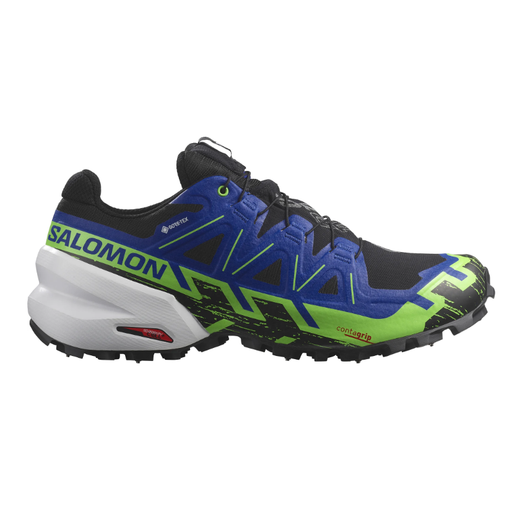
Why it suits this profile: Designed for winter trail runs and outdoor activities on snow or ice, where a standard trail shoe may not be enough.
The 12 tungsten spikes make the intended use clear. This helps prevent you from accidentally buying this model for long stretches of tarmac.
GORE-TEX protection and 12 tungsten spikes according to the product information; check the terrain before running in them.

Why it suits this profile: The Wide version is designed for walkers who want extra room without choosing a low-cut running shoe.
The product description explicitly mentions a wide fit, GORE-TEX and a mid-cut design. Even so, check the size guide and how the fit suits your foot.
Wide version, mid-cut ankle coverage, GORE-TEX membrane and Contagrip outsole.
We have put together a complete, up-to-date list of products that fully meet these strict selection criteria and the applicable European safety regulations.
The lifespan of trail running shoes depends on the surface, body weight, running frequency, care and outsole wear. Look out for lugs becoming smooth, tears in the upper and a midsole that provides less cushioning. After use, loosen and remove mud with a soft brush, then allow the shoes to dry naturally. Avoid radiators, tumble dryers and prolonged direct heat; these can damage materials and membranes.
Do not use a washing machine unless the manufacturer explicitly permits it. For GORE-TEX trail shoes, it is advisable to follow the specific care instructions on the label. Under EU consumer rules, these products come with a legal guarantee of at least two years; this guarantee is separate from normal wear and tear caused by use.
Yes, they can be suitable for short or medium-length walks on woodland and gravel paths. For heavy loads, long distances or additional ankle support, hiking shoes or mid-cut walking shoes are often the more sensible choice. Above all, consider stability, fit and the outsole profile.
There is no fixed mileage limit. An aggressive outsole may wear more quickly on tarmac, while mud and soft woodland ground may be less abrasive. Replace your shoes when the lugs are noticeably worn down, the outsole shows cracks or the fit no longer feels stable.
No. Waterproof models are practical in rain, wet grass and mud, but a more breathable mesh model may feel more comfortable in dry, warm weather. Choose GORE-TEX or another membrane when protection from moisture is more important to you than maximum ventilation.
