
Vandaag of morgen in huis

Kwaliteit gegarandeerd

Welkomstaanbiedingen ontgrendelen: GRATIS bezorging | Tot 80% korting | Gratis 30 dagen JoyPlus-proefperiode
Download de app
A pair of trail running or walking shoes can look promising on a product page, but that doesn’t automatically mean they’re right for your route. A soft shoe for wide forest paths behaves differently from a sturdy hiking boot on loose stones. Waterproofing, fit and tread are also often described too broadly.
Use this practical guide to focus on the features that really make a difference in Dutch downpours, on muddy paths and during longer walks.
A GORE-TEX membrane or other waterproof lining can help keep out rain and splashes. However, the shoe may still be unsuitable if water gets in over the top of the boot. A waterproof construction can also feel warmer than an open mesh upper.
So always check:
An aggressive tread can help on mud and loose earth, but may feel less smooth on tarmac. A shallower tread can be more comfortable on mixed routes with paved sections, gravel and dry forest paths.
Check the type of terrain the sole is designed for. If you’re looking for shoes with good grip on mud, look for deep, clearly separated lugs. For walks that alternate between roads and trails, a hybrid tread is often more practical.
Trail running and walking shoes should fit securely, but your toes shouldn’t hit the front on a descent. Thick walking socks and feet that swell during long walks may mean you need extra room.
Measure both feet at the end of the day. Place your heel against a wall and measure to your longest toe. Compare the result with the size guide for the specific model. With high walking boots, length isn’t the only thing that matters: check the space around your instep and ankle too.
A rubber outsole with a trail tread is useful on unpaved paths. For example, Salomon trail running shoes feature Contagrip soles. According to the product information, these are designed to provide grip on different surfaces. Focus on how the tread, rubber and intended use work together:
No sole can replace careful footing on wet roots, slippery stones or ice.
GORE-TEX walking shoes use a membrane that, according to the product description, helps keep water out while allowing moisture vapour to escape. This is useful for rainy walks, but waterproof doesn’t mean the shoe will stay dry in every situation. Water can get in through the opening or a damaged seam.
For dry summer routes, an anti-debris mesh upper may offer better ventilation. Waterproof trail shoes or a higher walking boot make more sense for autumn, winter and wet paths. Check the care instructions too: some models shouldn’t go in the washing machine or tumble dryer.
A soft, high-stack midsole can be comfortable over longer distances. A lower, more responsive shoe often gives you more feel for the ground. On technical trails, stability is just as important as cushioning.
A mid-cut model, such as a hiking boot, covers part of the ankle and can offer extra support. That doesn’t automatically make it suitable for every mountain hike. The weight, fit, tread and protection should all match the terrain and the load in your rucksack.
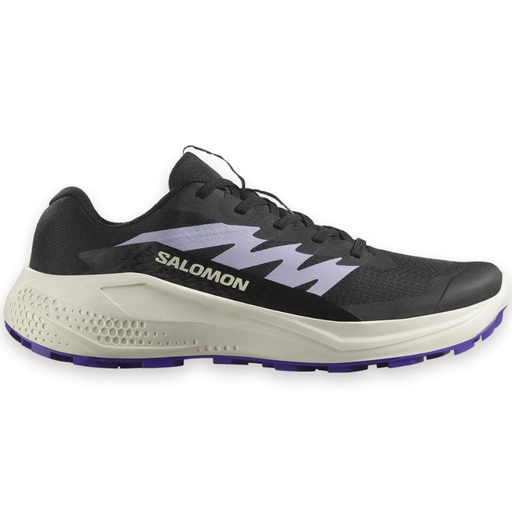
Why it suits this type of use: This women’s model is designed for versatile trail use and combines a balanced midsole with a close fit. It’s a good match for beginners who want to alternate between walking paths and easy trails.
The product information mentions anti-debris mesh to keep out dirt and stones. Its trail-focused rubber sole means you don’t have to choose based on looks or cushioning alone.
Anti-debris mesh, lace-up fastening, balanced cushioning and a trail tread for different unpaved surfaces.

Why it suits this type of use: For regular outings on technical trails and wet walking routes, this model offers a GORE-TEX lining, 3D Advanced Chassis and Quicklace system, according to the product information.
The specifications cover both water protection and stability. So you don’t have to rely on the word ‘waterproof’ alone when choosing shoes for rough terrain.
GORE-TEX membrane, reinforced toe and heel, 3D Advanced Chassis and Contagrip outsole, according to the product description.
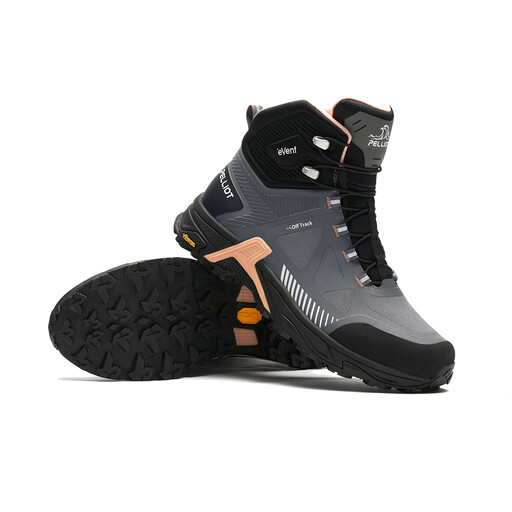
Why it suits this type of use: According to the product information, the higher ankle, protective toe cap and deep tread are designed for intensive walks, loose ground and tougher terrain.
It’s not just about cushioning: the product description mentions a protective toe cap, water-resistant lining and tread designed for mud, stones and loose slopes.
High-top design, quick-lace system, protective toe cap and rubber sole with a specialised lug pattern.
We’ve put together a complete, up-to-date list of products that meet these strict selection criteria and the applicable European safety regulations.
Break in new outdoor shoes on short routes first. Check that your heel doesn’t slip, your toes have enough room and the laces don’t press against any pressure points. Women’s trail running shoes sometimes have a different last or fit, but always check the individual size guide rather than relying on the ‘women’s’ or ‘men’s’ label alone.
After a wet walk, leave your shoes to dry at room temperature. Avoid placing them near a radiator, as the heat can damage the materials and glue. Remove mud with a soft brush or damp cloth, and follow the manufacturer’s care instructions. According to the product information, the statutory guarantee is at least two years under European consumer law; additional rights may apply under national law.
No. Trail running shoes are usually lighter and more flexible, with soles designed for unpaved terrain. Walking shoes can offer more protection, stability or a higher ankle. For long mountain hikes with a pack, hiking boots are generally a better choice than lightweight trail shoes.
They can be, but a waterproof membrane may feel warmer than more breathable mesh. For dry, warm routes, ventilation may be more important. For rain, wet grass and mud, GORE-TEX walking shoes offer extra protection from moisture, according to the product description, provided water doesn’t get in over the top of the shoe.
Their lifespan depends on how far you walk, your body weight, the terrain, care and storage. Look out for worn lugs, cracks, seams coming apart and a midsole that has compressed and stayed that way. If grip or stability visibly declines, it’s better to replace the shoes rather than judge them solely by their age.
