
Vandaag of morgen in huis

Kwaliteit gegarandeerd

Welkomstaanbiedingen ontgrendelen: GRATIS bezorging | Tot 80% korting | Gratis 30 dagen JoyPlus-proefperiode
Download de app
Switching from smooth asphalt to unpaved trails is a breath of fresh air for many runners. Nature calls, but your feet demand different gear. Regular running shoes often lack the grip, stability, and protection you need in the woods, on gravel roads, or through the dunes. The right equipment isn't a luxury; it's essential for a safe and enjoyable running experience.
As a Joybuy Product Recommendation Officer, I help you make choices based on concrete product features. This guide is designed to inform you about the key characteristics of trail running shoes, so you can find a model that matches your running style and the paths you want to explore.
The market for trail running shoes is vast. To help you see the forest for the trees, here are a few practical points to consider.
The outsole is arguably the most critical part of a trail shoe. Its pattern, featuring elements called lugs, determines the grip.
Pay attention to the rubber compound. Brands like Salomon often use their own technologies, such as Contagrip, which are designed for a good balance between durability and traction on both wet and dry surfaces.
Unlike a flat road, a trail is unpredictable. Your feet must constantly make corrections. Trail running shoes with stability assist with this. This is often achieved through a stiffer chassis in the midsole, which supports the foot and prevents it from rolling too far inward or outward.
Cushioning is a personal preference. More cushioning offers comfort over long distances but can reduce the feel for the ground beneath you. Less cushioning gives you more feedback and control, which can be an advantage on technical trails.
Unpaved paths mean branches, rocks, and puddles. A good trail shoe protects your feet. Look for a reinforced toe cap (toe bumper) to shield your toes from impacts.
For runners who aren't deterred by rain, waterproof trail running shoes are a great solution. A membrane like GORE-TEX (GTX) keeps water out while allowing sweat to escape. This keeps your feet drier and more comfortable in wet conditions.
Based on the criteria above and the specifications of popular models, we have highlighted a few choices. These aren't "winners," but rather shoes with distinct features for specific purposes.
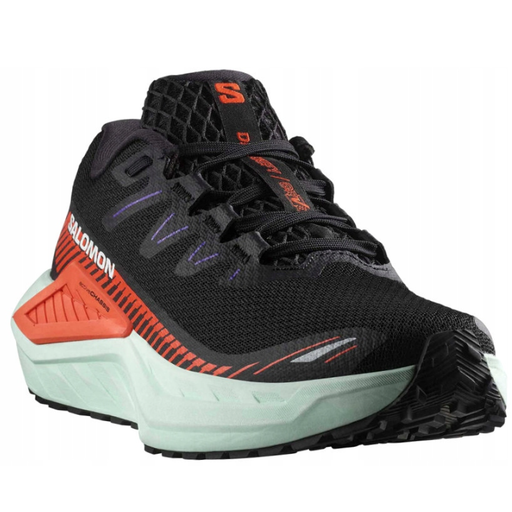
Why this shoe stands out: This model is specifically designed with stability in mind. The Active Chassis technology, as Salomon calls it, provides active support. This makes the shoe an interesting choice for runners seeking extra control on varied surfaces like gravel and forest paths.
Pros:
Who is this shoe for? For the runner who frequently trains on gravel paths or stable forest trails and needs extra support and control to keep their feet steady.
View the Salomon DRX DEFY GRVL on Joybuy.nl
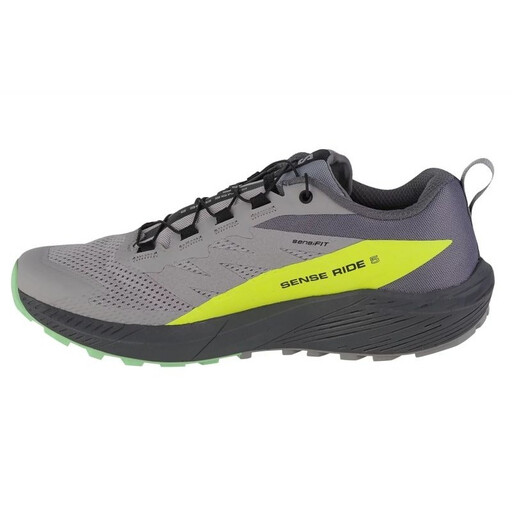
Why this shoe stands out: The Sense Ride 5 is known as a versatile all-rounder. It's one of the most popular Salomon trail shoes that strikes a balance between cushioning, weight, and grip. This makes it suitable for a wide range of running shoes for unpaved trails, from quick after-work loops to longer weekend runs.
Pros:
Who is this shoe for? For the all-round trail runner looking for a single pair of shoes for various types of trails. A great choice for both beginners and experienced runners who want a reliable and comfortable shoe.
View the Salomon Sense Ride 5 on Joybuy.nl
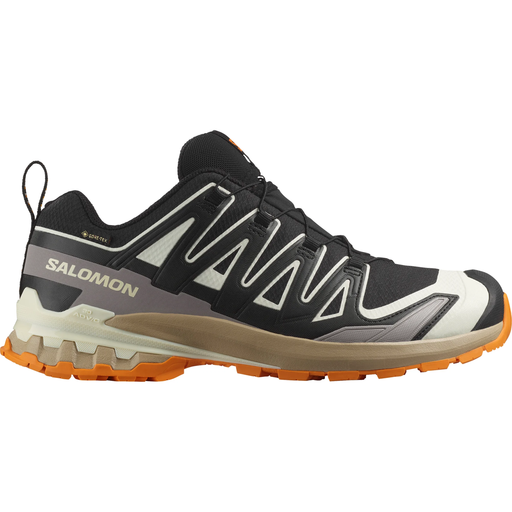
Why this shoe stands out: The "GTX" in the name gives it away: this shoe is equipped with a GORE-TEX membrane. Combined with the robust 3D Advanced Chassis for stability and the Contagrip outsole, this is a model built for tough conditions. It's a workhorse for technical trails and wet weather.
Pros:
Who is this shoe for? For the adventurous runner or hiker who won't be stopped by rain, puddles, or rugged terrain. Ideal for autumn and winter conditions or for mountain treks. This is a popular choice among men's trail shoes for those seeking maximum protection and stability.
View the Salomon XA Pro 3D v9 GTX on Joybuy.nl
The models above provide a good overview of what's available, but the perfect shoe is different for everyone. You might be looking for another brand, a different type of cushioning, or a shoe that's also suitable for sturdy hikes.
For a broader overview of shoes suitable for unpaved paths, you can browse our category of autumn hiking shoes. Here you'll find more models to support your feet during your adventures in nature.
1. What is the difference between trail running shoes and regular running shoes? The main difference lies in three areas: the outsole (more grip and a more aggressive tread), the construction (sturdier and more protection against rocks and branches), and stability (designed for uneven terrain instead of a flat surface).
2. How important is a waterproof trail running shoe? This depends on where and when you run. For running in the summer or on well-draining paths, it's not always necessary; breathability is more important then. However, if you often run in the rain, through wet grass, or in the winter, a waterproof (GTX) shoe will keep your feet significantly drier and warmer, which can prevent blisters and discomfort.
3. Can I use trail running shoes on the road? Yes, you can, but it's not ideal for longer distances. The aggressive tread on trail shoes wears down faster on asphalt and can feel less comfortable. For short stretches of road to and from the trail, it's not a problem, but for pure road training, it's better to use regular running shoes.
