
Vandaag of morgen in huis

Kwaliteit gegarandeerd

Welkomstaanbiedingen ontgrendelen: GRATIS bezorging | Tot 80% korting | Gratis 30 dagen JoyPlus-proefperiode
Download de app
Toys for babies and toddlers can seem simple to choose. But age labels, batteries, small parts and exaggerated claims about development can easily lead to a purchase you regret. A toy might look appealing, but make too much noise at home, be outgrown quickly or not suit your child’s motor skills.
As Joybuy Product Recommendation Officer, I assess product information for practical details. So don’t focus only on colour or brand: check the age guidance, how the toy is used, its dimensions and how to care for it.
A toy marked as suitable from 3 years isn’t automatically right for a curious 2-year-old. Small parts can pose a choking risk, so always check the age guidance on the product page and packaging.
It’s also worth noting the difference between:
The term educational toy doesn’t tell you much on its own. Look at what your child actually does with it. For example, pressing the buttons on a toy phone helps them explore cause and effect. A sorting game encourages them to compare and match, while building blocks offer a different kind of play.
According to the product descriptions from various brands, activities like these may support communication, imagination or fine motor skills. They don’t guarantee a particular developmental outcome, though. The experience depends on your child’s age and interests, and on how a parent or carer joins in.
Interactive toys for babies often use batteries and make sounds. Check:
A toy with lots of melodies may be less practical at home if you can’t adjust the volume properly. Volume control is especially useful in flats or when you’re playing during quiet times.
Check the official age guidance and look for any small parts. For building toys for toddlers, larger bricks are usually easier to handle, while sets for older children may contain more small pieces.
Look out for damage, too. Cracks, loose parts or a damaged battery compartment are reasons to stop using a toy.
Many products in this category are made from plastic. Check that the material is suitable for the intended use according to the product information, and follow the cleaning instructions. Don’t use solvents or abrasive cleaners if the manufacturer advises against them.
For soft motor skills toys, it’s especially important to check the condition of the surface. Foam parts should be free from cracks and peeling layers.
A baby walker, baby activity centre or other large product should be placed on a flat, stable surface. Check both the product’s dimensions and the space you have at home.
A push-along walker with adjustable speed can be useful when your child is taking their first steps, but always use it according to the instructions and under supervision. A seat product, such as a bouncer, is not a substitute for a safe sleep environment. The Chicco bouncer instructions also state that you should never leave your baby sitting in it while you move it.

Why it suits this profile: A compact interactive toy for babies, suitable for use at home or on the go, with buttons, lights and animal themes. According to the product information, it’s suitable for children aged 6 to 36 months.
The age range and dimensions are clearly listed. The toy has volume control and an automatic shut-off.
Compact design, 8 melodies, 2 songs and 2 AAA batteries included, according to the product details.
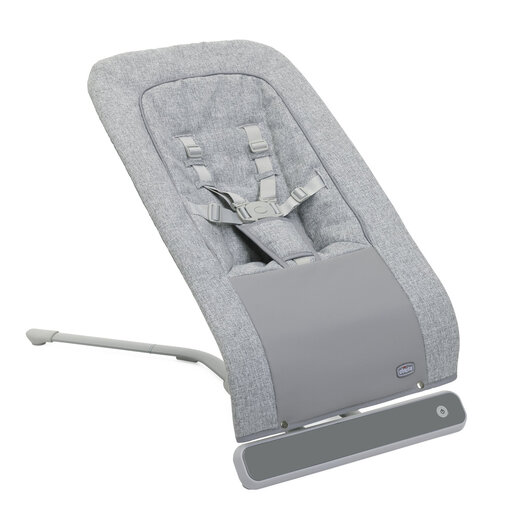
Why it suits this profile: For parents looking for a comfortable, portable seat for a baby from birth up to 9 kg, or around 6 months old.
The product description lists the weight, maximum load, two recline positions and a 30-minute timer.
Electric side-to-side movement, a 5-point harness, music and a compact folded size of 41 × 71 × 17 cm.
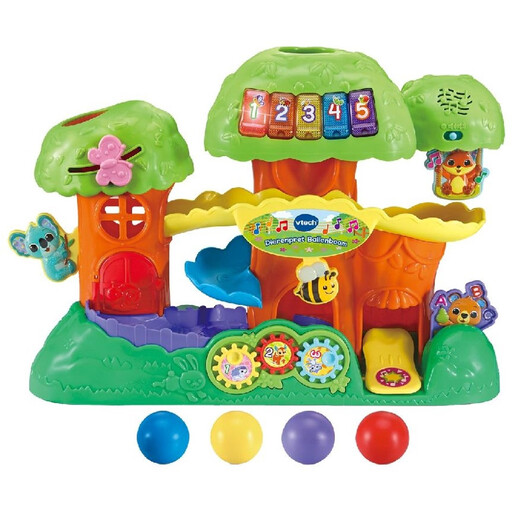
Why it suits this profile: For children aged 12 months and over who enjoy repeating actions, placing balls and pressing buttons. The product is designed for independent play under supervision.
The age limit, number of balls and dimensions are specified. You can adjust the volume, and the toy switches off automatically.
Four coloured balls, five illuminated buttons, 15 melodies and 8 nursery rhymes, according to the product information.
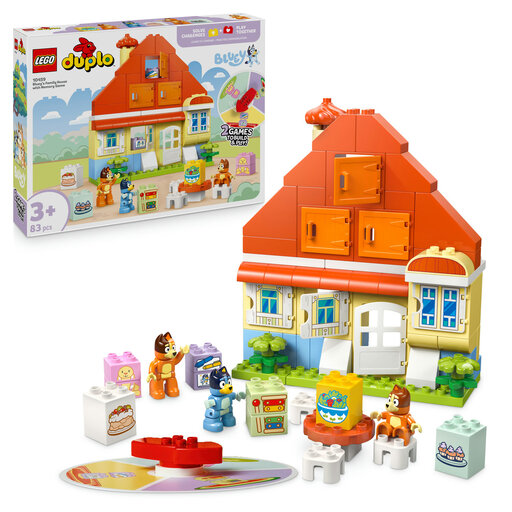
Why it suits this profile: For toddlers aged 3 and over who enjoy building, acting out stories and playing a game with a parent.
The age limit of 3 years and warning about small parts are clearly stated, making it less likely to end up with a younger toddler.
A building set with 83 pieces, three figures and a memory game for playing alone or together.
We’ve put together a complete, up-to-date list of products that meet these strict selection criteria and current European safety regulations.
Choose toys that are large enough to hold safely and don’t have any loose small parts. A soft rattle, simple teething ring or toy with clear buttons may suit this age. Always check the age guidance and stay nearby while your baby is playing.
No. A baby walker or push-along walker is intended for a child who’s ready to stand or walk, but every child develops differently. Check the stability, adjustable wheel speed and recommended age. Only use the product according to the instructions and under supervision.
It depends on how often the toy is used and how many batteries it needs. An automatic shut-off can help reduce unnecessary battery use. Check whether batteries are included, as some products come with them and others don’t. Remove the batteries if you won’t be using the toy for a while, and clean plastic parts with a soft, slightly damp cloth.
