First, choose the magnification and working distance of the lens, or the close-up mode, you plan to use. The camera body alone does not determine how large details will appear in the frame. A compact camera with a fixed lens can be a straightforward choice for photographing whole figures, while a mirrorless camera with a suitable macro lens gives you more choice of lenses, but you’ll need to check the lens and the space available for lighting. For a neutral white background, a matte surface, controlled lighting and the right white balance also matter.
Who is this choice for?
Photographing painted details
You want to show small faces, emblems or brushwork in close-up. Compare the magnification and working distance of the exact lens you’re considering. Sony Netherlands and Nikon Netherlands explain these factors in their information about macro lenses.
Seller taking product photos on a white background
You photograph figures regularly against a neutral background and want consistent colours and framing. Adobe Blog and Nikon USA discuss the role of a matte surface and white balance in product photography.
Hobby photographer looking for a simple way to get started
You want to photograph whole figures without committing to an extensive macro set-up straight away. First, compare a close-up mode or kit zoom with the framing you need; OM Digital Solutions describes the close-up capabilities of the Tough TG-7.
What should you look for when buying?
Compact camera with a fixed lens
Best for: anyone who wants to photograph a whole figure or a simple detail without changing lenses. OM Digital Solutions gives a minimum focusing distance of approximately 1 cm for the Tough TG-7; that figure alone doesn’t tell you whether you’ll get the framing you want.
Trade-off: you don’t need to choose a separate macro lens, but you’ll have less choice of lenses and need to check how much room is left for lighting.
Mirrorless camera with a macro lens
Best for: anyone who wants to capture small faces, paintwork or equipment in close-up. Nikon Netherlands specifies 1:1 magnification for the NIKKOR Z MC 50mm f/2.8; Sony Netherlands specifies 1:1 for the SEL30M35. These specifications apply to the named lenses, not to every camera body or kit lens.
Trade-off: check the lens mount and allow for the working distance when setting up. Sony Netherlands gives a working distance of approximately 2 cm for the SEL30M35, which can limit the space available for lighting.
Mirrorless camera with a kit zoom
Best for: anyone who mainly photographs whole figures and wants to see whether the supplied lens gives enough magnification. According to Canon Netherlands, the RF-S 18-45mm reaches a maximum magnification of 0.16× at 45 mm with autofocus, or 0.26× with manual focus.
Trade-off: a kit zoom isn’t automatically a 1:1 macro lens; the figures quoted apply to this lens and these settings.
| What to consider |
What should you check? |
Who should pay particular attention? |
| Small details |
Compare the maximum magnification, working distance and lens mount of the exact combination with the dimensions of your figure. |
If I want to capture faces or paint details in close-up, I look at both magnification and the space in front of the lens; around 31% of consumers are said to consider magnification their top buying priority. |
| White background and colour |
Test a matte white surface, check the exposure and set the white balance under the lighting you’ll use. |
If I want consistent product photos on a white background with realistic paint colours, I pay attention to the background and lighting; around 25% of consumers are said to consider this their top buying priority. |
| Sharpness from front to back |
Check whether the exact camera supports focus bracketing and whether images are merged in-camera or in software; a tripod can help with a fixed set-up. |
If I want a figure with protruding parts to look sharp from front to back, I look at the focusing options; around 25% of consumers are said to consider depth of field their top buying priority. |
| Complete set-up |
Check which lens is included and, if possible, take a test shot to check the framing before choosing extra lenses or lighting. |
If I want to photograph whole figures without lots of separate accessories, I first check exactly what’s in the set; around 19% of consumers are said to consider simplicity their top buying priority. |
Things to watch out for when buying
-
Mistaking a close-up mode or macro label for 1:1 magnification
Magnification depends on the exact lens and focusing settings. According to Canon Netherlands, the Canon RF-S 18-45mm doesn’t reach 1:1 at 45 mm.
Compare the stated maximum magnification with the framing you need for your smallest figure.
-
Comparing only the minimum focusing distance
Working distance is measured from the front of the lens. Limited space can make it harder to position lighting close to the figure.
Check working distance and magnification separately and, if possible, try a test set-up first.
-
Assuming a white background or high resolution can replace good lighting
A matte surface, white balance and controlled exposure all affect reflections and colour reproduction. Adobe Blog discusses the role of a matte background, while Nikon USA covers white balance.
Test the complete set-up with both a light-coloured and a dark-painted figure before choosing extra camera equipment.
Camera brands to consider
Canon
The EOS R50 with an RF-S kit zoom is an entry-level option for photographing whole figures. Canon Netherlands states that the RF-S 18-45mm has a maximum magnification of 0.16× at 45 mm with autofocus, or 0.26× with manual focus.
- The kit zoom may be suitable for photographing whole figures first and checking the framing you need.
- The stated magnification isn’t 1:1, so check whether you’ll need another lens for small details.
Nikon
A Z-series mirrorless camera such as the Z50II can be paired with the separate NIKKOR Z MC 50mm f/2.8 for detail photography.
- Nikon Netherlands specifies 1:1 magnification for this macro lens.
- The 1:1 specification applies to the lens, not the Z50II body or any kit lens; bear in mind that the lens is a separate component.
Sony
The α6400 with an E-mount can be paired with the separate SEL30M35 to create a macro set-up on a table.
- Sony Netherlands specifies 1:1 magnification for the SEL30M35.
- Sony gives a working distance of approximately 2 cm, so allow for the limited space in front of the lens when positioning your lighting.
OM SYSTEM
The Tough TG-7 is a compact camera with a fixed lens for anyone who wants to try close-up photography without changing lenses.
- OM Digital Solutions gives a minimum focusing distance of approximately 1 cm and a resolution of around 12 megapixels.
- The stated distance doesn’t prove that the magnification or working space will be sufficient for every white-background table-top set-up.
Joybuy product picks
Joybuy product picks for this topic.
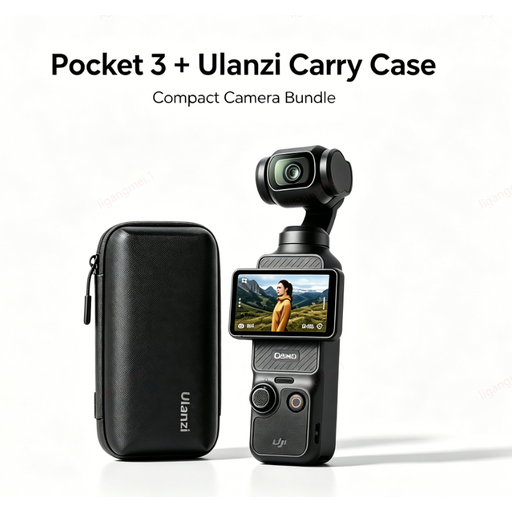 Image unavailable
DJI Pocket 3 camera with Ulanzi Custom Storage Carry Case
For figure photography, check whether this camera offers the close-up capability and framing you need.
View on Joybuy
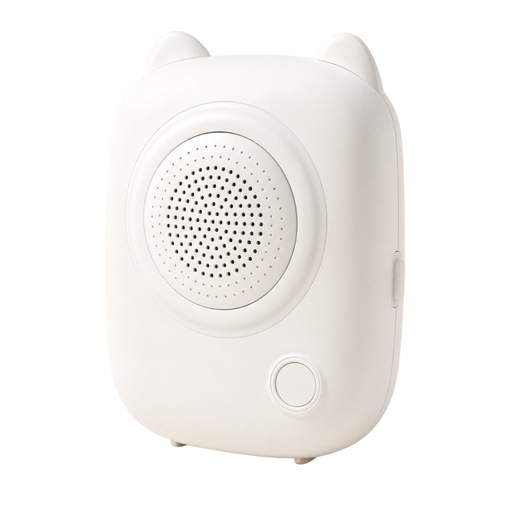 Image unavailable
KI Children's Camera with Thermal Printer and instant photo function
Check whether its shooting and framing options suit the figures you want to capture.
The title mentions an instant photo function and a thermal printer. The AI features described require an internet connection, and adult supervision is recommended.
View on Joybuy
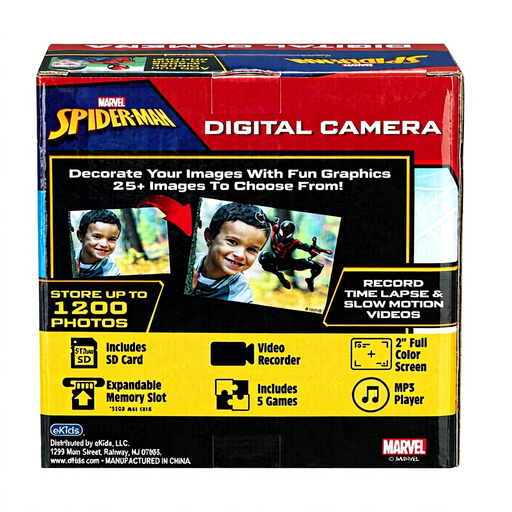 Image unavailable
Spidey and His Amazing Friends camera
Check whether the camera can achieve the framing you want before choosing it for figure photography.
The description says photos are saved to the supplied SD card. Batteries aren’t included.
View on Joybuy
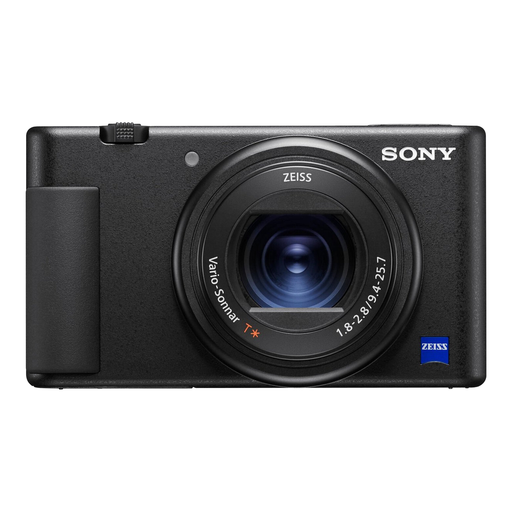 Image unavailable
Sony ZV-1 compact camera
Check whether this compact camera offers the magnification and working distance you need for your figures.
The stated specifications include 20 Mpx, 2.7× optical zoom and JPEG and RAW photo formats.
View on Joybuy
Frequently asked questions
Is a very short minimum focusing distance the same as having a good macro lens?
No. Compare the maximum magnification for the framing you want with the working distance between the subject and the front of the lens, so there’s room for lighting too.
How can I keep a figure with protruding parts in focus?
Keep both the stationary figure and the camera steady. If a single plane of focus isn’t enough, you can combine shots taken at different focus points. Check whether the exact camera body supports focus bracketing only or can also merge the images.
How can I stop white paper looking grey or tinted?
Use a matte white surface, check the exposure and set the white balance under the lighting you’re using. At the same time, make sure light-coloured details on the figure remain visible.
What are my rights when buying a camera online in the Netherlands?
For an online purchase as a consumer in the Netherlands, you generally have a statutory 14-day cooling-off period after delivery; check whether a legal exception applies. The seller also remains responsible for the statutory guarantee if a product doesn’t do what you could reasonably expect during normal use. ACM ConsuWijzer explains these rights.


